

What to do when a fuse trips at home

Quick Summary
RCDs trip in milliseconds when they detect leakage — protecting you from shock. They are doing their job. Understanding what to do when a fuse trips at home in a UK context saves costly mistakes — regulations, suppliers, and safety standards differ from other countries. Note what worked in a phone memo so you can repeat the process faster next time.
⚠️ Warnings
Steps
RCDs trip in milliseconds when they detect leakage — protecting you from shock. They are doing their job. Understanding what to do when a fuse trips at home in a UK context saves costly mistakes — regulations, suppliers, and safety standards differ from other countries. Note what worked in a phone memo so you can repeat the process faster next time.
Step through with the consumer unit in front of you.
Follow the interactive fuse reset guideCall an electrician if it repeats

Repeated trips under light load suggest wiring faults — not DIY fixes. Work steadily through this part of what to do when a fuse trips at home, pausing to double-check your work against the goal before moving on — most mistakes are caught when you slow down at transitions between stages. Note what worked in a phone memo so you can repeat the process faster next time.
🔧 Troubleshooting
The fuse trips immediately after resetting it.
This could indicate a short circuit or an overloaded circuit. Check for any appliances that may be malfunctioning or plugged into the same circuit. Unplug all devices on that circuit, reset the fuse, and then plug them back in one at a time to identify the faulty appliance.
The fuse keeps tripping at irregular intervals.
Irregular tripping may suggest a loose wire or a failing circuit breaker. Inspect the wiring for any visible damage or loose connections. If you are not comfortable doing this, or if the problem persists, contact a licensed electrician to assess and repair the issue.
Was this guide helpful?
Guide by Marcus Lee
Mobile mechanic and driving instructor in Birmingham. Publishes practical car maintenance and roadside safety guides from twenty years on the road.
You might also like
Similar guides based on topic, category, and tags.

Moving into your first rental flat
The inventory is your evidence at move-out. If damage is not recorded when you arrive, you may be charged later. Understanding moving into my first rental flat in a UK context saves costly mistakes — regulations, suppliers, and safety standards differ from other countries. Note what worked in a phone memo so you can repeat the process faster next time.

Monthly car checks every driver should do
Modern cars are reliable, but tyres, fluids, and bulbs still need human attention. These checks are safe for beginners — no tools beyond a tyre gauge.

How to change a flat tyre safely at the roadside
Never attempt a tyre change on a motorway hard shoulder — use breakdown cover. On a quiet side road, level ground and a visible position matter more than speed.

How to estimate fuel cost before a long drive
Fuel cost catches people out on holidays and when comparing train versus car travel. Your official MPG figure is optimistic; real-world driving is usually lower.

Why every household needs an emergency contact list
Stick a copy on the fridge and save a photo on your phone. Update after every move or supplier switch. Understanding why every household needs an emergency contact list in a UK context saves costly mistakes — regulations, suppliers, and safety standards differ from other countries. Note what worked in a phone memo so you can repeat the process faster next time.
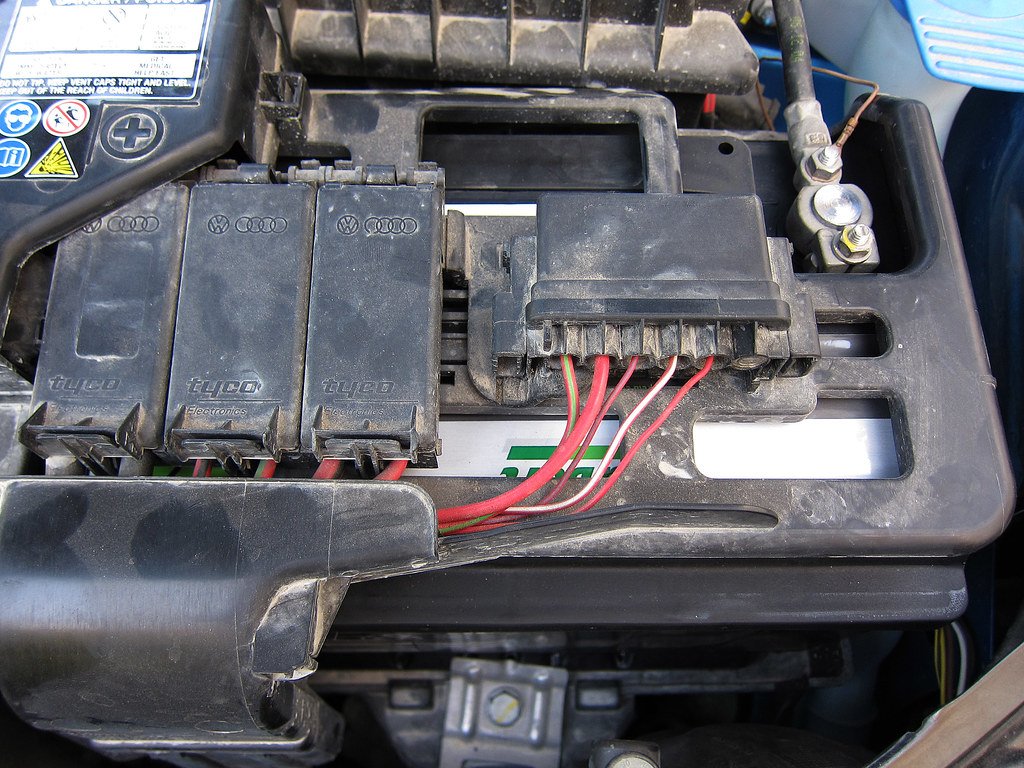
How to jump-start a car safely
Modern cars have sensitive electronics — follow clamp order exactly and never cross positive to negative on the dead battery. Understanding jump-start a car safely in a UK context saves costly mistakes — regulations, suppliers, and safety standards differ from other countries. Note what worked in a phone memo so you can repeat the process faster next time.
Comments
Log in to comment.