

How to Tie Essential Survival Knots
Quick Summary
Introduction to Survival Knots
⚠️ Warnings
Steps
Introduction to Survival Knots
Knowing how to tie essential survival knots can make a significant difference in outdoor situations. These knots can be used for securing gear, building shelters, or even for safety during emergencies. In this guide, we will cover several key knots and provide step-by-step instructions to help you master them. When you tie essential survival knots, take your time and follow each step carefully. This guide to tie essential survival knots covers the full process from start to finish.
Essential Knots to Learn
There are a few knots that stand out as essential for survival situations. These include the bowline, square knot, clove hitch, and taut-line hitch. Each knot has its specific uses and advantages, making them invaluable tools in the wild.
What you'll need
Rope, Paracord
Bowline Knot

To tie a bowline knot, create a small loop in the rope, leaving a long end. Pass the long end through the loop from underneath, then wrap it around the standing part of the rope. Finally, bring the end back through the loop and pull tight. This knot creates a fixed loop at the end of the rope, ideal for mooring or rescue situations.
Square Knot
To tie a square knot, lay two ends of rope parallel. Take the right end over the left, then bring it under and through. Now take the left end over the right and bring it under and through again. Pull both ends to tighten. This knot is useful for joining two lengths of rope together.
Clove Hitch

To tie a clove hitch, start by wrapping the rope around the object twice, crossing the ends over each other. Tuck the end of the rope under the last wrap and pull tight. This knot is great for securing a line to a post or tree.
Taut-Line Hitch

Begin by wrapping the rope around the anchor point. Create a loop and pass the working end through it. Wrap the working end around the standing part and back through the loop. This knot allows for adjustable tension, making it perfect for securing tarps or tents.
Figure Eight Knot

To tie a figure eight knot, create a loop in the rope, then pass the working end behind the standing part and back through the loop. Pull tight. This knot is commonly used in climbing and can be used as a stopper knot.
Sheepshank Knot
To tie a sheepshank, create two loops in the rope, one at each end, and then pull the middle section taut. This knot is useful for shortening a rope without cutting it. It's often used in sailing and rigging.
Double Fisherman's Knot
To tie a double fisherman's knot, take two ends of rope and tie an overhand knot with one end around the other. Repeat with the other end. Pull both knots together to secure. This knot is ideal for joining two ropes of similar thickness.
Prusik Knot
To tie a Prusik knot, wrap a smaller loop of rope around the main line three times, then pass the end through the loops. Pull tight. This knot is useful for ascending or descending a rope.
Practical Applications
Understanding how to tie essential survival knots is not just about the knots themselves; it's about knowing when and where to use them. For instance, the bowline knot is perfect for creating a fixed loop, while the taut-line hitch is excellent for adjusting the tension on a tarp.
In addition to tying knots, it's essential to practice them regularly. This will help you become more proficient and confident in your knot-tying skills, ensuring you're ready for any outdoor challenge.
Learn avoid hypothermia with clear steps, practical tips, and troubleshooting advice tailored for UK readers.
How to avoid hypothermiaLearn build a shelter in the wild with clear steps, practical tips, and troubleshooting advice tailored for UK readers.
How to build a shelter in the wildConclusion
Tying essential survival knots is a vital skill for anyone who enjoys spending time outdoors. By mastering these knots, you can enhance your safety and efficiency while camping or hiking. Remember to practice regularly and apply these knots in real-life situations to build your confidence.
Visit the NHS for health and safety advice.
NHS Outdoor Safety AdviceRelated guides and resources
Explore related how-to guides on our site, including more in this topic and our most popular tutorials.
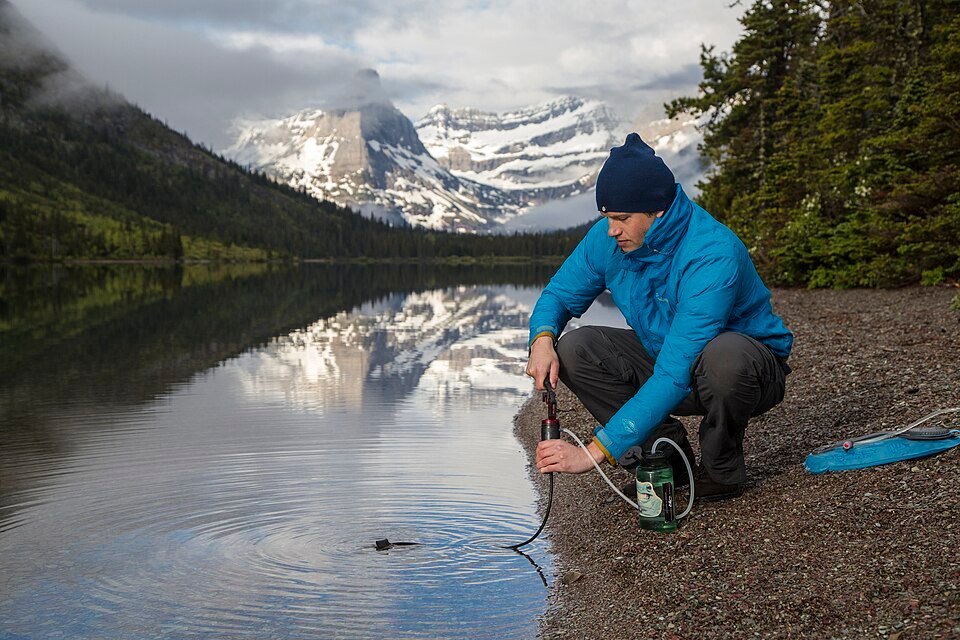
Access to clean water is essential when spending time outdoors. This guide will teach you various methods to purify water outdoors, ensuring you stay hydrated and healthy during your adventures.
How to Purify Water OutdoorsNavigating using a compass is an essential skill for outdoor enthusiasts. This guide will provide you with step-by-step instructions on how to effectively use a compass to find your way in the wilderness, ensuring you can explore safely and confidently.
How to Navigate Using a CompassPacking a hiking backpack efficiently is crucial for a successful outdoor adventure. This guide provides practical steps to ensure you pack a hiking backpack correctly, making your hike enjoyable and safe. Learn essential tips and tricks to optimise space and weight distribution.
How to Pack a Hiking BackpackOne of our most-read how-to guides.
How can someone organize a makeup collection?🔧 Troubleshooting
Knot slips under tension
Ensure you are using the correct knot for the application and that it is tied properly. Consider using a knot with more friction.
Knot is difficult to untie
If a knot becomes tight, try to wiggle the knot gently to loosen it. If necessary, use a tool to help pry it apart.
Rope frays at knot
Inspect your rope regularly for wear and tear. If you notice fraying, replace the rope to ensure safety.
Knot slips or comes undone easily
Ensure that you are using the correct knot for your intended purpose. For added security, consider using a double knot or adding a stopper knot at the end.
Difficulty in tying the knot under stress or in adverse conditions
Practice tying the knot in a controlled environment before needing it in a survival situation. Familiarize yourself with the knot's mechanics and consider using a thicker rope for easier handling.
❓ FAQs
What is the most important survival knot?
The bowline knot is often considered the most important survival knot due to its versatility and reliability. It creates a fixed loop that can be used in various situations.
How do I practice tying knots?
You can practice tying knots using lengths of rope or paracord. Set aside time to practice each knot until you feel comfortable tying them under various conditions.
Can I use these knots for climbing?
Yes, many of these knots, such as the figure eight and double fisherman's knot, are commonly used in climbing. However, always ensure you are trained and equipped for climbing activities.
Are there any knots I should avoid?
While many knots are useful, avoid knots that are prone to slipping or are difficult to untie after being under load, such as the granny knot.
How do I know if a knot is secure?
A secure knot should not slip or come undone when weight is applied. Always test the knot before relying on it in a critical situation.
What materials are best for practicing knots?
Rope, paracord, or even thick shoelaces are great materials for practicing knots. Choose a material that is easy to handle and provides enough friction to hold the knots securely.
Can I use survival knots for fishing?
Yes, many survival knots, such as the improved clinch knot and Palomar knot, are effective for fishing as they secure hooks and lures to the line.
What is the difference between a knot and a hitch?
A knot is a method of fastening or securing rope to itself, while a hitch is a type of knot used to attach a rope to an object, such as a post or a ring.
Know a better way?
Suggest clearer steps, fix mistakes, or add detail you use in practice. Your edit is reviewed before it goes live.
Was this guide helpful?
Guide by How To Library
You might also like
Similar guides based on topic, category, and tags.
How to Pitch a Tent: A Step-by-Step Guide
Choosing the Right Location
How to Avoid Insect Bites
Understanding Insect Bites

How to build a shelter in the wild
Introduction

How to Identify Edible Plants
Understanding Edible Plants
How to Purify Water Outdoors
Understanding the Importance of Water Purification

How to Stay Safe from Wildlife
Understanding Wildlife Risks
Comments
Log in to comment.