

How to Avoid Hypothermia

Quick Summary
Understanding Hypothermia
⚠️ Warnings
Steps
Understanding Hypothermia
Hypothermia occurs when your body temperature drops below 35°C (95°F). It can happen even in mildly cool weather if you are wet or exposed to wind. Understanding how to avoid hypothermia is crucial for anyone spending time outdoors, especially in the UK where weather conditions can change rapidly. When you avoid hypothermia, take your time and follow each step carefully.
Signs of Hypothermia
Recognising the early signs of hypothermia can save lives. Symptoms include shivering, confusion, slurred speech, and fatigue. If you notice these signs in yourself or others, it is essential to take action immediately to prevent further heat loss.
What you'll need
Thermal clothing, Emergency blanket
Dress Appropriately

Wear multiple layers of clothing to trap heat. Start with a moisture-wicking base layer, add an insulating layer, and finish with a waterproof outer layer. Ensure your extremities are covered with hats, gloves, and warm socks to prevent heat loss.
Stay Dry
Wet clothing can rapidly decrease your body temperature. Avoid getting wet by wearing waterproof gear and staying away from water sources during cold weather. If you do get wet, change into dry clothes as soon as possible to maintain your body heat.
Keep Moving

Physical activity generates body heat, so keep moving when outdoors in cold conditions. Simple exercises like walking or jogging can help maintain your core temperature. However, avoid overexertion, which can lead to sweating and subsequent heat loss.
Use a Shelter

Creating a shelter can protect you from wind and rain, reducing heat loss. Use natural materials like branches and leaves or carry a lightweight emergency tarp. Ensure your shelter is insulated from the ground to prevent heat loss through contact.
Stay Hydrated and Nourished

Dehydration can impair your body’s ability to regulate temperature. Drink warm fluids and eat high-energy foods to maintain your energy levels. Avoid alcohol as it can lead to increased heat loss.
Monitor Weather Conditions
Stay informed about the weather forecast before heading out. If conditions are expected to worsen, consider postponing your trip. Being aware of temperature drops and potential storms can help you prepare adequately.
Buddy System
Always travel with a companion in cold environments. This way, you can monitor each other for signs of hypothermia and provide assistance if needed. If one of you starts showing symptoms, you can react quickly together.
Know When to Seek Help
If you or someone in your party shows severe symptoms of hypothermia, seek medical help immediately. Call emergency services or head to the nearest facility. Do not attempt to treat severe hypothermia alone, as it can be life-threatening.
Learn build a shelter in the wild with clear steps, practical tips, and troubleshooting advice tailored for UK readers.
How to build a shelter in the wildStarting a campfire safely is essential for an enjoyable outdoor experience. This guide provides step-by-step instructions to ensure your fire is both effective and secure, while also considering the
How to Start a Campfire SafelyOfficial UK guidance and safety information.
GOV.UK official guidanceConclusion
By following these steps, you can significantly reduce the risk of hypothermia while enjoying outdoor activities. Always be prepared, dress appropriately, and stay vigilant about your surroundings. Remember, knowing how to avoid hypothermia is key to having a safe and enjoyable outdoor experience.
FAQs
Troubleshooting
Warnings
Related guides and resources
Explore related how-to guides on our site, including more in this topic and our most popular tutorials.
Access to clean water is essential when spending time outdoors. This guide will teach you various methods to purify water outdoors, ensuring you stay hydrated and healthy during your adventures.
How to Purify Water OutdoorsNavigating using a compass is an essential skill for outdoor enthusiasts. This guide will provide you with step-by-step instructions on how to effectively use a compass to find your way in the wilderness, ensuring you can explore safely and confidently.
How to Navigate Using a CompassPacking a hiking backpack efficiently is crucial for a successful outdoor adventure. This guide provides practical steps to ensure you pack a hiking backpack correctly, making your hike enjoyable and safe. Learn essential tips and tricks to optimise space and weight distribution.
How to Pack a Hiking BackpackOne of our most-read how-to guides.
How can someone organize a makeup collection?❓ FAQs
What should I do if I suspect someone has hypothermia?
If you suspect someone has hypothermia, move them to a warm, dry place, remove wet clothing, and cover them with warm blankets. Offer warm drinks if they are conscious, and seek medical attention immediately.
Can hypothermia occur in mild weather?
Yes, hypothermia can occur even in mild weather, especially if you are wet or exposed to wind. Always be cautious and prepared, regardless of the temperature.
How can I tell if I’m getting too cold?
Signs of getting too cold include shivering, confusion, slurred speech, and fatigue. If you notice these symptoms, take immediate action to warm up.
Is it safe to use alcohol in cold weather?
No, alcohol can impair your body's ability to regulate temperature and increase heat loss. It's best to avoid alcohol when spending time in cold conditions.
What are some signs of severe hypothermia?
Severe hypothermia may present as a lack of shivering, confusion, drowsiness, or unconsciousness. If these symptoms occur, seek emergency medical help immediately.
What clothing is best to wear in cold weather to prevent hypothermia?
Wear layers of clothing made from moisture-wicking materials, insulating fabrics like wool or fleece, and a waterproof outer layer to protect against wind and moisture. Ensure that your extremities are covered with warm hats, gloves, and socks.
How can I prepare for outdoor activities in cold weather?
Plan ahead by checking the weather forecast, dressing in appropriate layers, bringing extra clothing, and packing emergency supplies such as blankets, food, and a first aid kit. Inform someone of your plans and expected return time.
Are there specific groups of people at higher risk for hypothermia?
Yes, certain groups are at higher risk for hypothermia, including the elderly, young children, individuals with certain medical conditions, and those who are intoxicated. Extra precautions should be taken for these individuals in cold weather.
Know a better way?
Suggest clearer steps, fix mistakes, or add detail you use in practice. Your edit is reviewed before it goes live.
Was this guide helpful?
Guide by How To Library
You might also like
Similar guides based on topic, category, and tags.

How to Start a Campfire Safely
Understanding Campfire Safety
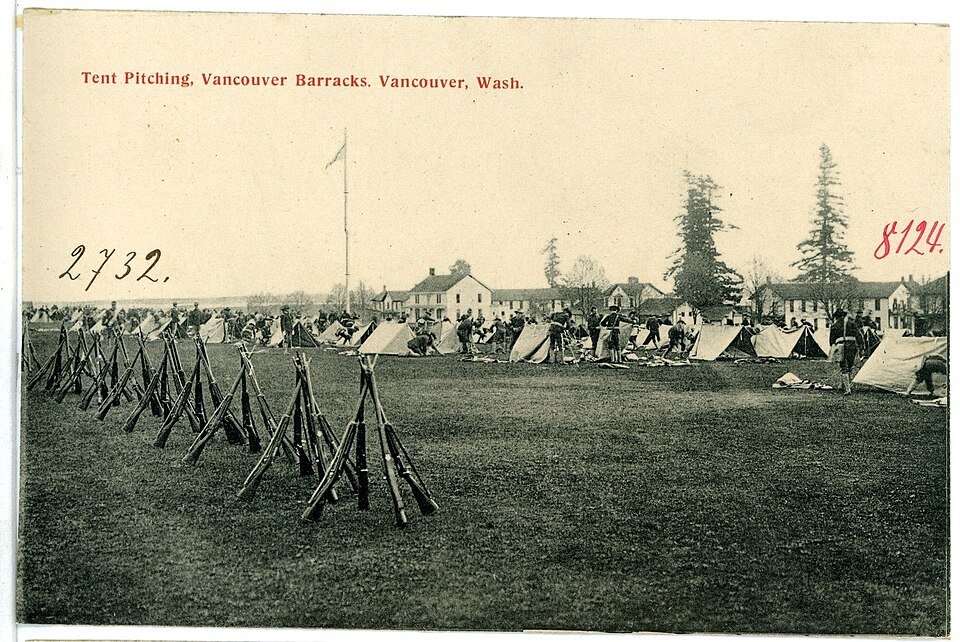
How to Pitch a Tent: A Step-by-Step Guide
Choosing the Right Location
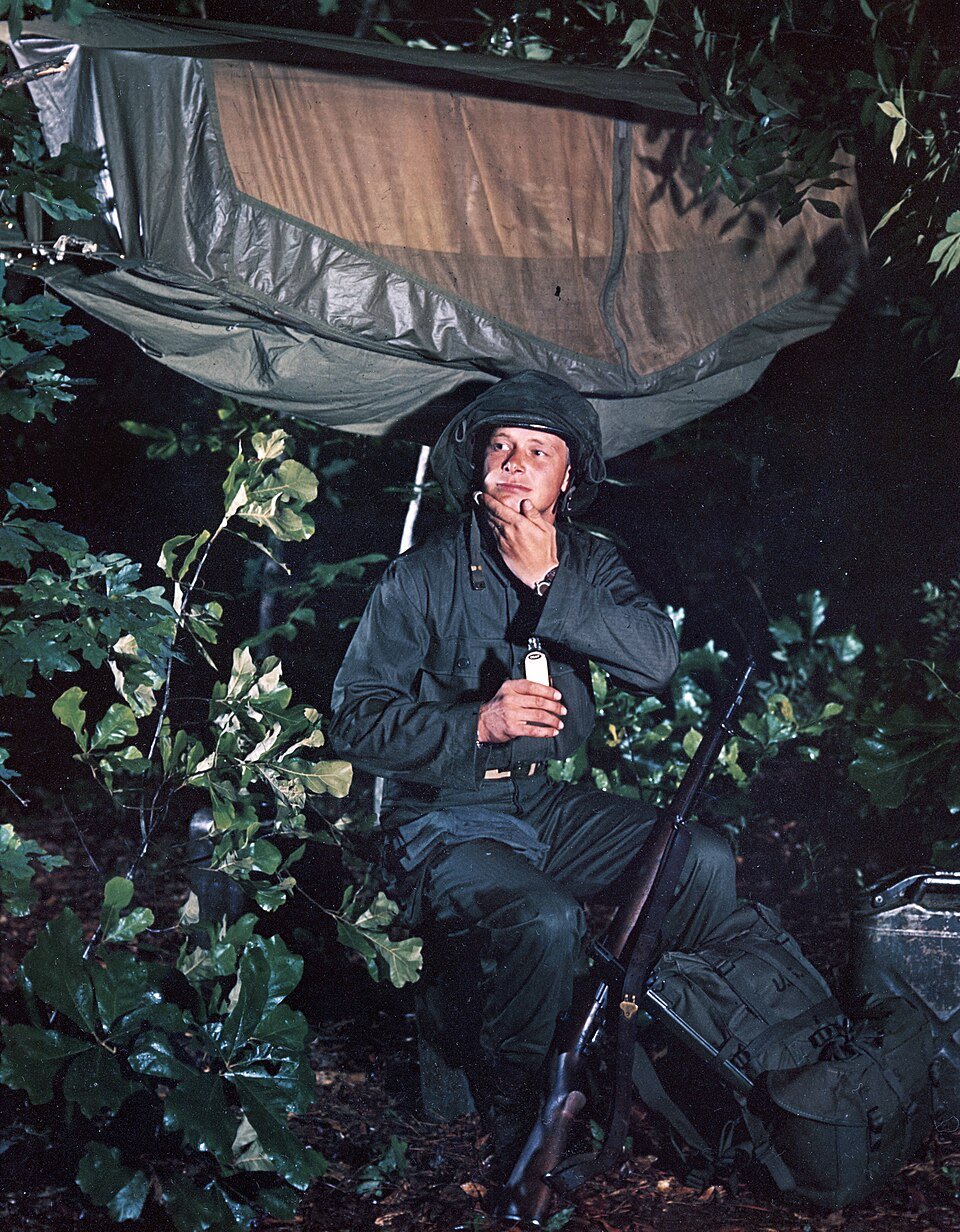
How to Avoid Insect Bites
Understanding Insect Bites

How to Avoid Blisters When Hiking
Understanding Blisters

How to build a shelter in the wild
This guide provides detailed steps and tips for constructing a safe and effective shelter in wilderness settings.
How to Tie Essential Survival Knots
Introduction to Survival Knots
Comments
Log in to comment.