

How to Store Food While Camping
Quick Summary
Understanding the Importance of Food Storage
⚠️ Warnings
Steps
Understanding the Importance of Food Storage
When camping, proper food storage is essential not only for preserving the quality of your meals but also for keeping wildlife at bay. Storing food while camping can prevent spoilage and ensure you have access to nutritious meals throughout your trip. When you store food while camping, take your time and follow each step carefully. This guide to store food while camping covers the full process from start to finish.
Choosing the Right Containers
Selecting appropriate containers is key to storing food while camping. Opt for airtight, waterproof containers that can withstand the outdoor elements. Consider using hard-sided coolers for perishables and resealable bags for dry goods.
What you'll need
Airtight containers, Cooler
Step 1: Plan Your Meals

Before you head out, plan your meals for the duration of your camping trip. This will help you determine the amount of food you need and how to store it properly. Make a list of ingredients and consider their storage requirements.
Step 2: Pack Perishables in a Cooler
Use a high-quality cooler to store perishable items like meat, dairy, and fresh produce. Pre-chill your cooler with ice packs before adding food to maintain a lower temperature. Ensure the cooler is kept in a shaded area to prevent it from warming up.
Step 3: Use Dry Bags for Non-Perishables

For items like pasta, rice, and snacks, use dry bags or resealable plastic bags to keep them safe from moisture and pests. Label each bag with its contents and the date to keep track of freshness.
Step 4: Store Food Away from Sleeping Areas

To avoid attracting wildlife, store food at least 200 feet away from your sleeping area. Use bear-proof containers or hang food in a tree if you're camping in bear country.
Step 5: Keep Food Secure from Pests

Ensure that all food is securely closed and stored in containers that are resistant to pests. Avoid leaving food out in the open, and clean up any spills immediately to deter animals.
Step 6: Monitor Food Temperature
Regularly check the temperature of your cooler to ensure it stays below 4°C (39°F) for safe food storage. Replace ice packs as needed to maintain a safe environment for perishables.
Step 7: Dispose of Waste Properly
After meals, dispose of any food waste properly. Use designated waste bags and take them to the nearest disposal point to prevent attracting wildlife.
Step 8: Review Food Safety Guidelines
Familiarise yourself with food safety guidelines for camping. The NHS provides valuable resources on food safety that can help you understand how to store food while camping effectively.
Learn more about food safety and storage.
NHS Food Safety GuidelinesFAQs about Storing Food While Camping
Troubleshooting Common Food Storage Issues
Hypothermia is a serious condition that can occur when your body loses heat faster than it can produce it, especially in cold environments. This guide will provide you with essential tips and steps to
How to Avoid HypothermiaLearn build a shelter in the wild with clear steps, practical tips, and troubleshooting advice tailored for UK readers.
How to build a shelter in the wildConclusion
Storing food while camping is essential for a safe and enjoyable experience. By following these practical tips, you can ensure your food stays fresh and secure throughout your trip. Always remember to respect wildlife and the environment by disposing of waste properly and keeping food stored away from your sleeping area.
For more camping tips, check out our guides on how to build a shelter in the wild and how to start a campfire safely.
Related guides and resources
Explore related how-to guides on our site, including more in this topic and our most popular tutorials.
Access to clean water is essential when spending time outdoors. This guide will teach you various methods to purify water outdoors, ensuring you stay hydrated and healthy during your adventures.
How to Purify Water OutdoorsNavigating using a compass is an essential skill for outdoor enthusiasts. This guide will provide you with step-by-step instructions on how to effectively use a compass to find your way in the wilderness, ensuring you can explore safely and confidently.
How to Navigate Using a CompassPacking a hiking backpack efficiently is crucial for a successful outdoor adventure. This guide provides practical steps to ensure you pack a hiking backpack correctly, making your hike enjoyable and safe. Learn essential tips and tricks to optimise space and weight distribution.
How to Pack a Hiking BackpackOne of our most-read how-to guides.
How can someone organize a makeup collection?🔧 Troubleshooting
Food is spoiling quickly.
Ensure your cooler is packed properly with ice packs and limit opening it to maintain temperature.
Wildlife is attracted to my campsite.
Store all food and waste at least 200 feet away from your sleeping area and use bear-proof containers.
Moisture is getting into my food containers.
Use waterproof bags and check seals on containers to ensure they are airtight.
Food is spoiling quickly.
Ensure your cooler is packed properly with ice packs and limit opening it to maintain temperature.
Wildlife is attracted to my campsite.
Store all food and waste at least 200 feet away from your sleeping area and use bear-proof containers.
Moisture is getting into my food containers.
Use waterproof bags and check seals on containers to ensure they are airtight.
❓ FAQs
What types of food are best for camping?
Non-perishable foods like canned goods, dried fruits, and nuts are ideal for camping. They are easy to pack and require no refrigeration.
How can I keep my cooler cold longer?
To keep your cooler cold longer, pre-chill it with ice packs, limit the number of times you open it, and store it in a shaded area.
Can I store food in my tent?
It's not advisable to store food in your tent as it can attract pests and wildlife. Always store food away from your sleeping area.
How do I know if food has spoiled?
Check for off smells, changes in texture, or unusual colours. If in doubt, it's safer to discard the food.
What should I do if I encounter wildlife while camping?
Stay calm and avoid approaching the animal. Make noise to scare it away and ensure all food is stored securely.
What types of food are best for camping?
Non-perishable foods like canned goods, dried fruits, and nuts are ideal for camping. They are easy to pack and require no refrigeration.
How can I keep my cooler cold longer?
To keep your cooler cold longer, pre-chill it with ice packs, limit the number of times you open it, and store it in a shaded area.
Can I store food in my tent?
It's not advisable to store food in your tent as it can attract pests and wildlife. Always store food away from your sleeping area.
How do I know if food has spoiled?
Check for off smells, changes in texture, or unusual colours. If in doubt, it's safer to discard the food.
What should I do if I encounter wildlife while camping?
Stay calm and avoid approaching the animal. Make noise to scare it away and ensure all food is stored securely.
What types of containers are best for storing food while camping?
Use airtight containers or resealable bags to keep food fresh and prevent odors from attracting wildlife.
How can I safely dispose of food waste while camping?
Pack out all food waste in sealed bags and dispose of it in designated trash bins or at home to avoid attracting animals.
Is it safe to cook food near my campsite?
Yes, but always cook at least 200 feet away from your sleeping area and store food properly after cooking to minimize wildlife attraction.
Know a better way?
Suggest clearer steps, fix mistakes, or add detail you use in practice. Your edit is reviewed before it goes live.
Was this guide helpful?
Guide by How To Library
You might also like
Similar guides based on topic, category, and tags.
How to cook outdoors safely
Introduction

How to Choose a Sleeping Bag
Understanding Sleeping Bag Types
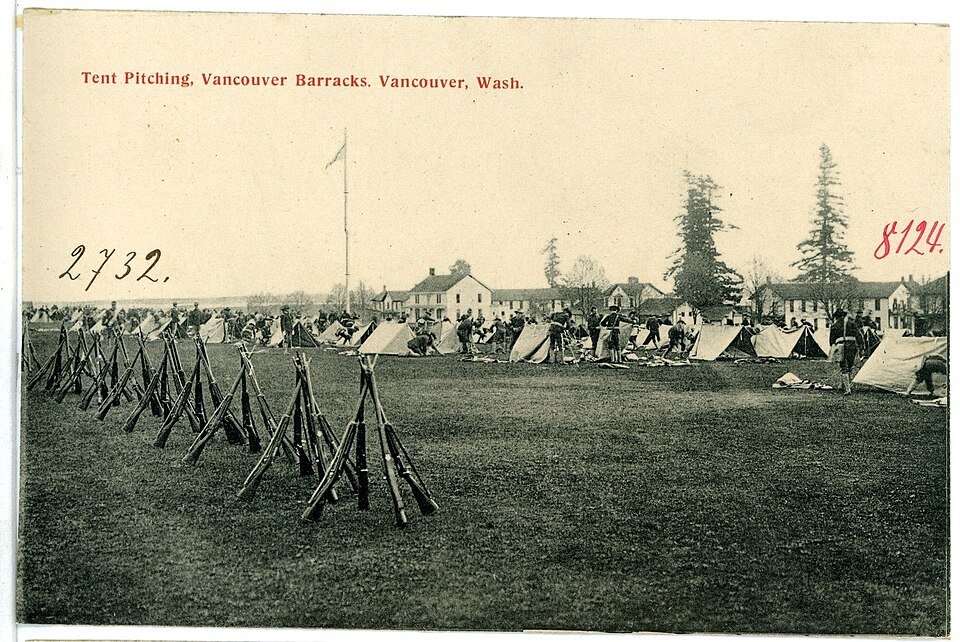
How to Pitch a Tent: A Step-by-Step Guide
Choosing the Right Location
How to Avoid Insect Bites
Understanding Insect Bites

How to build a shelter in the wild
Introduction
How to Tie Essential Survival Knots
Introduction to Survival Knots
Comments
Log in to comment.