

How do I start watercolour painting?

⚠️ Warnings
Article
Transparent medium mindset
When it comes to how do i start watercolour painting, unlike oils, watercolour lightens as it dries and cannot easily hide mistakes — plan light to dark, reserving white paper for highlights. Student-grade paints suffice initially; invest in cotton paper first because wood pulp buckles and pills under washes.
Start with limited palette — ultramarine, burnt sienna, cadmium yellow hue, alizarin crimson — mixes nearly every landscape hue. Round brushes size eight and twelve hold water well; flat brush lifts edges and paints skies.
First exercises worth repeating
Flat wash: wet paper evenly, stroke horizontal band of pigment top to bottom in one pass. Gradient wash: add water gradually for sky fades. Dry brush texture for distant trees. Paint same pear weekly — progress becomes undeniable motivation.
UK art shops like Cass Art and SAA stock sensible starter sets. Join local watercolour society demos — watching wet-on-wet live demystifies timing books cannot teach.
Frame early attempts — wall of growth beats drawer of shame. Understanding start watercolour painting in a UK context saves costly mistakes — regulations, suppliers, and safety standards differ from other countries. Note what worked in a phone memo so you can repeat the process faster next time.
Sources and further reading
Facts, limits, and safety notes in this guide are cross-checked against the references below. Laws, fees, and product guidance change — always confirm details for your region before acting.
Background concepts and terminology
Wikipedia — Start watercolour painting🔧 Troubleshooting
Watercolors appear too dull or muddy.
Ensure you are using enough water when mixing your paints. Use a wet-on-wet technique to create brighter colors and avoid overworking the paint on the paper.
Paint is not adhering to the paper.
Check if you are using the right type of watercolor paper. Ensure it is specifically designed for watercolor painting and has a suitable weight (200gsm or higher) to handle water without warping.
Watercolors appear too dull or washed out on the paper.
Ensure you are using enough pigment and water. Try mixing a more concentrated solution of paint and apply it in layers to build up intensity.
Paint dries too quickly on the palette or paper.
Use a wet palette to keep your paints moist for longer. Additionally, work in a more humid environment or use a spray bottle to mist your paper and paints occasionally.
❓ FAQs
Cold press or hot press paper?
Cold press texture suits beginners — holds pigment interestingly. Hot press is smooth for detail work.
Do I need masking fluid?
Useful later for preserving whites — not essential day one.
Know a better way?
Suggest clearer steps, fix mistakes, or add detail you use in practice. Your edit is reviewed before it goes live.
Was this guide helpful?
Guide by How To Library
You might also like
Similar guides based on topic, category, and tags.

How does it work to choose materials for acrylic painting?
Acrylic supply decisions
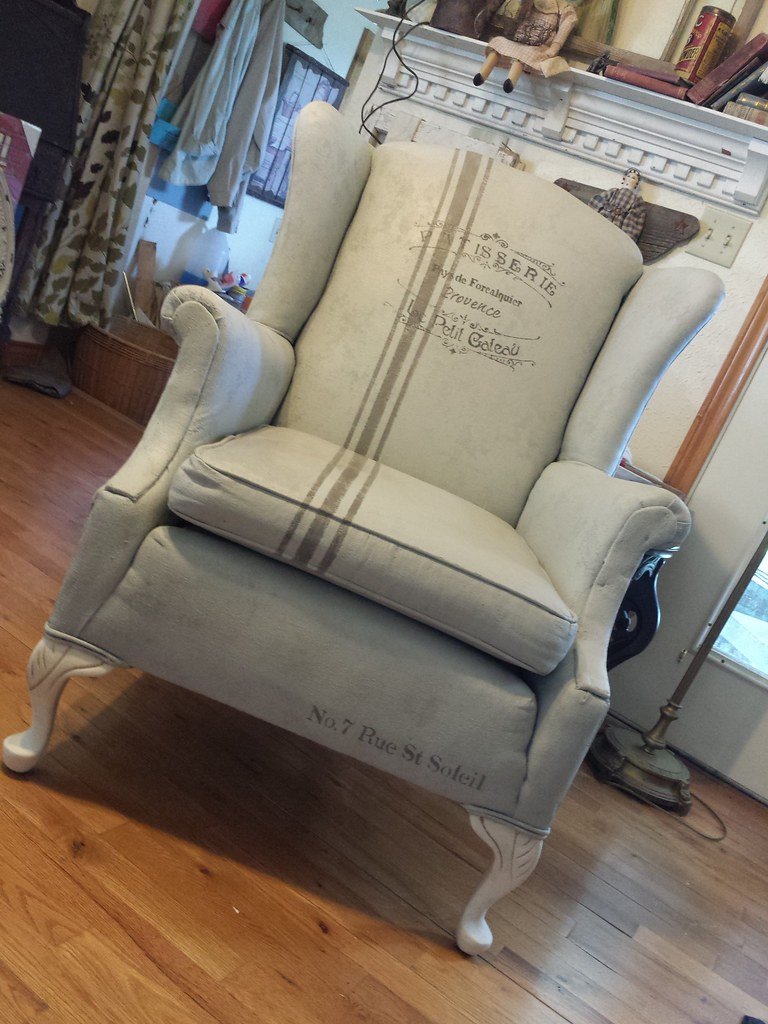
When should I restore vintage furniture with chalk paint?
Restore vintage furniture with chalk paint — this article explains when should i restore vintage furniture — including articles. Chalk paint adheres to most surfaces with minimal prep — ideal for reviving charity shop finds. Learn cleaning, layering colour, wax finishing, and distressing without ruining solid wood underneath. Published on HowToLibrary. Key points: Wax, hardware, and longevity; Chalk paint adheres to most surfaces with minimal prep — ideal for reviving charity shop finds; Learn cleaning, layering colour, wax finishing, and distressing without ruining solid wood underneath; Covers articles. Source: HowToLibrary · Articles · ~480 min read. Key points: Wax, hardware, and longevity; Restore vintage furniture with chalk paint — this article explains when should i restore vintage furniture — including articles; Chalk paint adheres to most surfaces with minimal prep — ideal for reviving charity shop finds; Learn cleaning, layering colour, wax finishing, and distressing without ruining solid wood underneath. Source: HowToLibrary · Articles · ~480 min read. Key points: Wax, hardware, and longevity; Restore vintage furniture with chalk paint — this article explains when should i restore vintage furniture — including articles; Chalk paint adheres to most surfaces with minimal prep — ideal for reviving charity shop finds; Learn cleaning, layering colour, wax finishing, and distressing without ruining solid wood underneath. Source: HowToLibrary · Articles · ~480 min read. Key points: Wax, hardware, and longevity; Restore vintage furniture with chalk paint — this article explains when should i restore vintage furniture — including articles; Chalk paint adheres to most surfaces with minimal prep — ideal for reviving charity shop finds; Learn cleaning, layering colour, wax finishing, and distressing without ruining solid wood underneath. Source: HowToLibrary · Articles · ~480 min read. Key points: Wax, hardware, and longevity; Restore vintage furniture with chalk paint — this article explains when should i restore vintage furniture — including articles; Chalk paint adheres to most surfaces with minimal prep — ideal for reviving charity shop finds; Learn cleaning, layering colour, wax finishing, and distressing without ruining solid wood underneath. Source: HowToLibrary · Articles · ~480 min read. Key points: Wax, hardware, and longevity; Restore vintage furniture with chalk paint — this article explains when should i restore vintage furniture — including articles; Chalk paint adheres to most surfaces with minimal prep — ideal for reviving charity shop finds; Learn cleaning, layering colour, wax finishing, and distressing without ruining solid wood underneath. Source: HowToLibrary · Articles · ~480 min read. Key points: Wax, hardware, and longevity; Restore vintage furniture with chalk paint — this article explains when should i restore vintage furniture — including articles; Chalk paint adheres to most surfaces with minimal prep — ideal for reviving charity shop finds; Learn cleaning, layering colour, wax finishing, and distressing without ruining solid wood underneath. Source: HowToLibrary · Articles · ~480 min read. Key points: Wax, hardware, and longevity; Restore vintage furniture with chalk paint — this article explains when should i restore vintage furniture — including articles; Chalk paint adheres to most surfaces with minimal prep — ideal for reviving charity shop finds; Learn cleaning, layering colour, wax finishing, and distressing without ruining solid wood underneath. Source: HowToLibrary · Articles · ~480 min read. Key points: Wax, hardware, and longevity; Restore vintage furniture with chalk paint — this article explains when should i restore vintage furniture — including articles; Chalk paint adheres to most surfaces with minimal prep — ideal for reviving charity shop finds; Learn cleaning, layering colour, wax finishing, and distressing without ruining solid wood underneath. Source: HowToLibrary · Articles · ~480 min read. Key points: Wax, hardware, and longevity; Restore vintage furniture with chalk paint — this article explains when should i restore vintage furniture — including articles; Chalk paint adheres to most surfaces with minimal prep — ideal for reviving charity shop finds; Learn cleaning, layering colour, wax finishing, and distressing without ruining solid wood underneath. Source: HowToLibrary · Articles · ~480 min read. Key points: Wax, hardware, and longevity; Restore vintage furniture with chalk paint — this article explains when should i restore vintage furniture — including articles; Chalk paint adheres to most surfaces with minimal prep — ideal for reviving charity shop finds; Learn cleaning, layering colour, wax finishing, and distressing without ruining solid wood underneath. Source: HowToLibrary · Articles · ~480 min read.
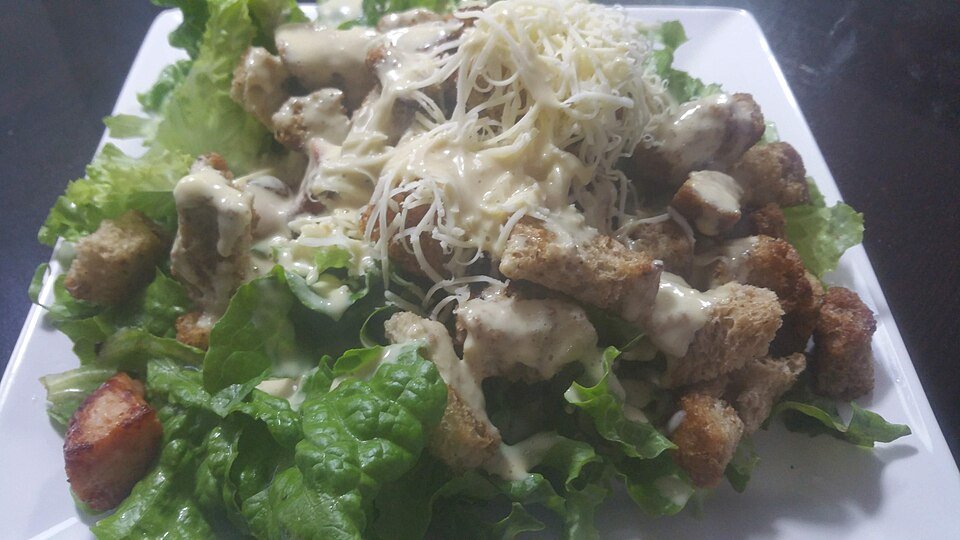
How to Make Chicken Caesar Salad
About this dish

How do I change a car tire?
Pull as far off the road as you can and turn on your hazard lights. If you have wheel chocks or a heavy rock, wedge it behind the tire opposite the flat. Measure twice and mark clearly in pencil or tape — small errors compound through later stages of change a car tire, especially where parts are cut to length or drilled in place. Note what worked in a phone memo so you can repeat the process faster next time.
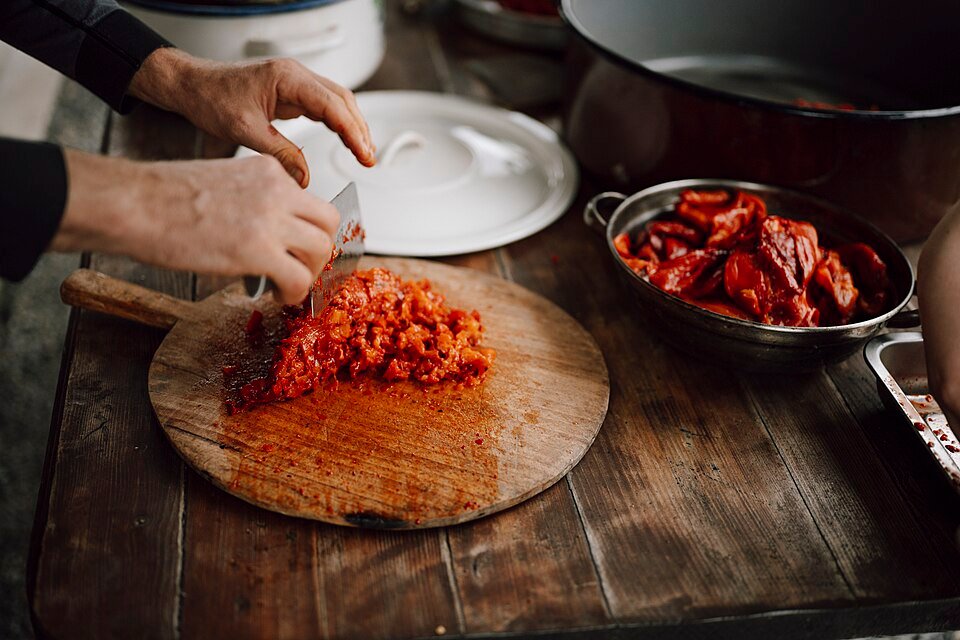
How to Make Guacamole
About this dish
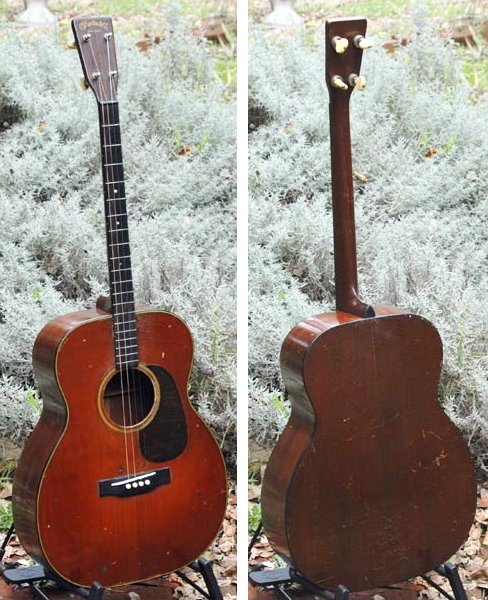
How do I tune an acoustic guitar?
Low E should read E2. Turn the tuning peg slowly until the display centers green — needle or LED depends on your tuner. Work steadily through this part of tune an acoustic guitar, pausing to double-check your work against the goal before moving on — most mistakes are caught when you slow down at transitions between stages. Note what worked in a phone memo so you can repeat the process faster next time.
Comments
Log in to comment.