

How do I tune an acoustic guitar?
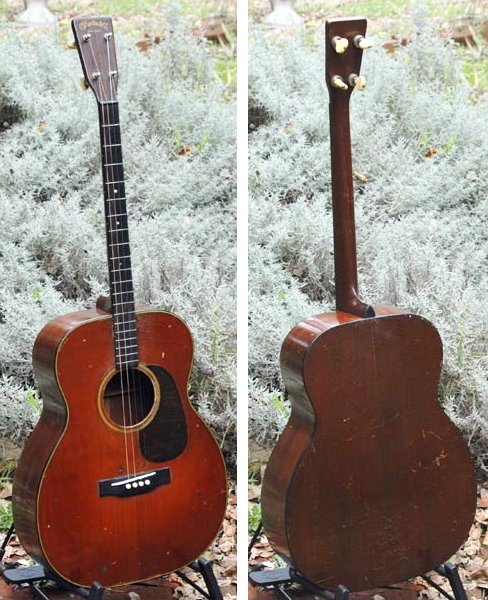
Quick Summary
Low E should read E2. Turn the tuning peg slowly until the display centers green — needle or LED depends on your tuner. Work steadily through this part of tune an acoustic guitar, pausing to double-check your work against the goal before moving on — most mistakes are caught when you slow down at transitions between stages. Note what worked in a phone memo so you can repeat the process faster next time.
⚠️ Warnings
Steps
Clip tuner on headstock and pluck string six open

Low E should read E2. Turn the tuning peg slowly until the display centers green — needle or LED depends on your tuner. Work steadily through this part of tune an acoustic guitar, pausing to double-check your work against the goal before moving on — most mistakes are caught when you slow down at transitions between stages. Note what worked in a phone memo so you can repeat the process faster next time.
Tune strings in order low to high

E, A, D, G, B, E. Pluck firmly once per adjustment; floppy picks confuse cheap tuners. Work steadily through this part of tune an acoustic guitar, pausing to double-check your work against the goal before moving on — most mistakes are caught when you slow down at transitions between stages. Note what worked in a phone memo so you can repeat the process faster next time.
Use harmonics at fifth fret to fine-tune

Lightly touch string above fifth fret, pluck, and match adjacent string harmonic at seventh fret on the lower string. Old-school trick when no tuner handy. Work steadily through this part of tune an acoustic guitar, pausing to double-check your work against the goal before moving on — most mistakes are caught when you slow down at transitions between stages. Note what worked in a phone memo so you can repeat the process faster next time.
Check chords, not just open strings

A perfectly tuned open G can still sound rough if intonation is off. Strum a G and D chord — beats mean revisit tuning. Run a quick functional test at low stakes before committing fully — for tune an acoustic guitar, a short trial run reveals alignment, measurement, or configuration issues early when they are cheap to fix. Note what worked in a phone memo so you can repeat the process faster next time.
Adjust peg tension so strings do not slip

Wind strings down the post with two to three neat wraps. Loose posts slip flat mid-song. Work steadily through this part of tune an acoustic guitar, pausing to double-check your work against the goal before moving on — most mistakes are caught when you slow down at transitions between stages. Note what worked in a phone memo so you can repeat the process faster next time.
Retune after capo changes
Capos squeeze sharp slightly. Quick pass through strings after clamping. Work steadily through this part of tune an acoustic guitar, pausing to double-check your work against the goal before moving on — most mistakes are caught when you slow down at transitions between stages. Note what worked in a phone memo so you can repeat the process faster next time.
Sources and further reading
Facts, limits, and safety notes in this guide are cross-checked against the references below. Laws, fees, and product guidance change — always confirm details for your region before acting.
Background concepts and terminology
Wikipedia — Tune an acoustic guitar🔧 Troubleshooting
Guitar strings are out of tune after playing for a while.
Re-tune your guitar regularly, as temperature changes and playing can cause strings to stretch or contract. Use a tuner or an app to check the tuning frequently.
The guitar tuner is not registering the notes correctly.
Ensure that the tuner is set to the correct mode for acoustic guitars and is functioning properly. Check the battery if it's a battery-operated tuner, or try recalibrating it according to the manufacturer's instructions.
The guitar strings are not holding their tune after being tuned.
Make sure the strings are properly stretched. After tuning, gently pull each string away from the fretboard to stretch them. Retune the guitar after stretching to ensure they stay in tune.
The tuner is not accurately detecting the pitch of the strings.
Check the battery of your tuner to ensure it has enough power. If the tuner is still not accurate, try using a different tuner or tuning app to confirm the pitch.
❓ FAQs
440 Hz standard?
Yes for most modern music. Some orchestras use 442; match your band or backing tracks if recording.
Phone tuner good enough?
Plenty for practice. Noisy rooms favor clip-ons that read vibration through the neck.
Know a better way?
Suggest clearer steps, fix mistakes, or add detail you use in practice. Your edit is reviewed before it goes live.
Was this guide helpful?
Guide by How To Library
You might also like
Similar guides based on topic, category, and tags.
How can someone replace guitar strings?
Full removal lets you fretboard clean; one-at-a-time keeps tension on the neck for nervous beginners. Work steadily through this part of replace guitar strings, pausing to double-check your work against the goal before moving on — most mistakes are caught when you slow down at transitions between stages. Note what worked in a phone memo so you can repeat the process faster next time.

What do I need to reduce room echo for recording?
Sharp slap-back means parallel walls. That is what you treat first. Run a quick functional test at low stakes before committing fully — for reduce room echo for recording, a short trial run reveals alignment, measurement, or configuration issues early when they are cheap to fix. Note what worked in a phone memo so you can repeat the process faster next time.
Is it possible to master a song for streaming?
Mastering adds loudness — starting hot clips the limiter instantly. Work steadily through this part of master a song for streaming, pausing to double-check your work against the goal before moving on — most mistakes are caught when you slow down at transitions between stages. Note what worked in a phone memo so you can repeat the process faster next time.

How do you set up a home recording studio?
Closets, bookcases, and blankets kill flutter echo better than cheap foam tiles on bare drywall. Shortlist two or three realistic options and compare total cost of ownership, not just upfront price — read recent verified reviews and check return policies before committing to expensive kit for set up a home recording studio. Note what worked in a phone memo so you can repeat the process faster next time.

What is the best way to connect a midi keyboard?
Class-compliant keyboards work plug-and-play on Mac and Windows 10+. Older gear may need manufacturer drivers. Work steadily through this part of connect a midi keyboard, pausing to double-check your work against the goal before moving on — most mistakes are caught when you slow down at transitions between stages. Note what worked in a phone memo so you can repeat the process faster next time.
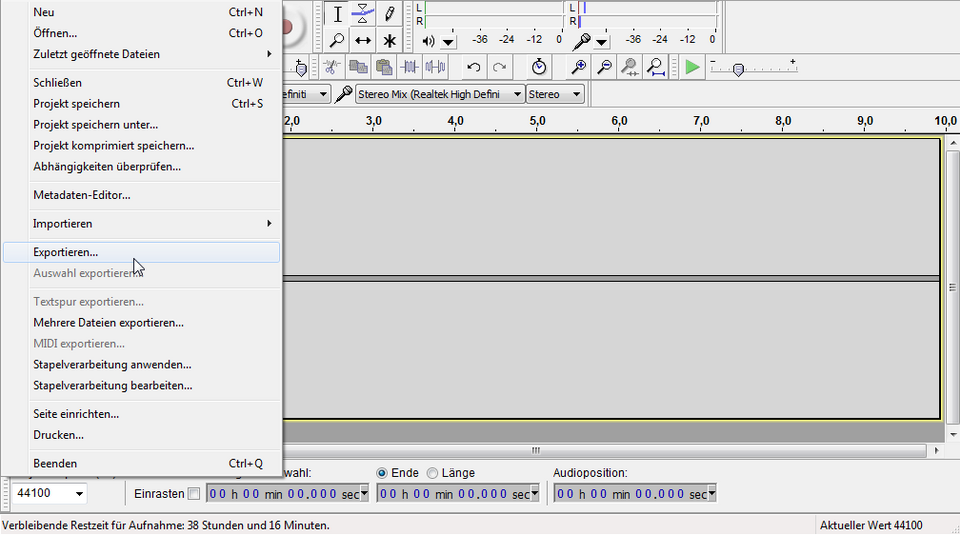
How can I mix vocals in audacity?
Leave headroom — clipping is permanent. Noise reduction works better on clean takes than on distorted ones. Work steadily through this part of mix vocals in audacity, pausing to double-check your work against the goal before moving on — most mistakes are caught when you slow down at transitions between stages. Note what worked in a phone memo so you can repeat the process faster next time.
Comments
Log in to comment.