

How to Pitch a Tent: A Step-by-Step Guide
Quick Summary
Choosing the Right Location
⚠️ Warnings
Steps
Choosing the Right Location
Before you pitch a tent, it's crucial to select the right spot. Look for level ground, away from hazards like falling branches or flooding. Ensure the area is clear of rocks and debris.
Gathering Your Tools
To pitch a tent successfully, you will need a few essential tools. Gather your tent, tent pegs, a mallet, and a groundsheet if you have one. Having these items ready will streamline the process.
What you'll need
Tent, Tent pegs, Mallet, Groundsheet
Lay Out the Tent

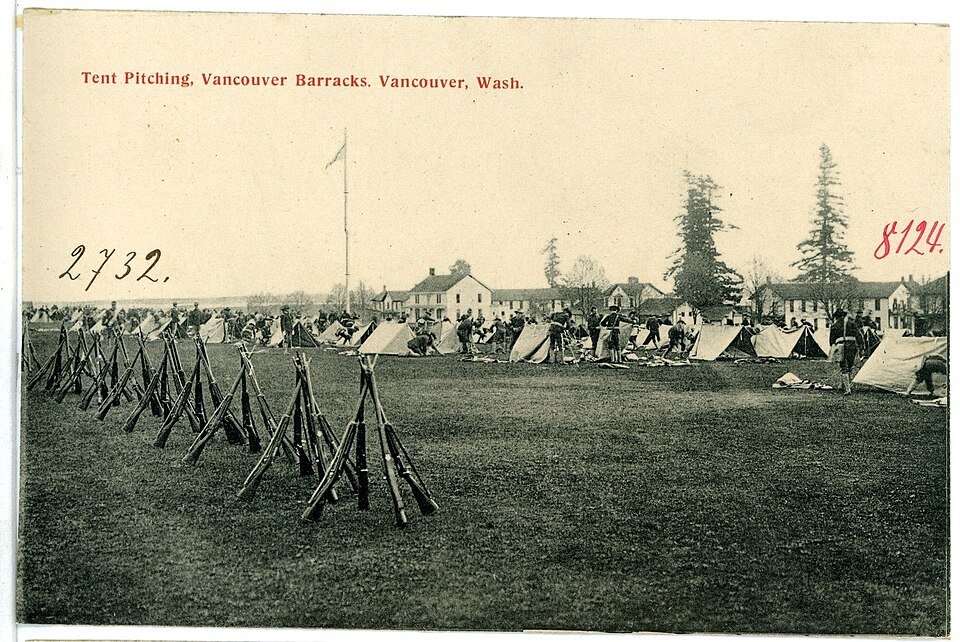
Unpack your tent and lay it flat on the ground where you’ve chosen to pitch it. Ensure the entrance faces away from the wind for added comfort. If using a groundsheet, lay it down first.
Assemble the Tent Poles

Take the tent poles and assemble them according to the manufacturer's instructions. Most tents have colour-coded poles and sleeves to make this easier. Ensure they are securely connected.
Insert the Poles

Once assembled, insert the tent poles into the corresponding sleeves or clips on the tent. This will give the tent its structure. Make sure the poles are fully inserted and secured.
Raise the Tent

With the poles in place, gently lift the tent to an upright position. You may need assistance for larger tents. Ensure the tent is taut and evenly positioned.
Secure the Tent with Pegs

Use your mallet to drive the tent pegs into the ground at a 45-degree angle. Start with the corners and then work your way around the tent, ensuring it is securely anchored.
Attach the Rainfly
If your tent has a rainfly, attach it according to the instructions. This provides additional protection against rain and wind. Ensure it is also secured with pegs.
Check for Stability
Once everything is set up, check the stability of your tent. Give it a gentle shake to ensure it is secure. Make any adjustments as necessary.
Final Touches
Finally, organize the inside of your tent. Place your sleeping bag and gear inside, ensuring everything is dry and tidy. Take a moment to enjoy your setup.
Conclusion
Now that you know how to pitch a tent, you can enjoy the great outdoors with confidence. Remember to practice these steps before your camping trip to ensure a smooth setup. For more outdoor tips, check out our guides on how to avoid hypothermia and how to build a shelter in the wild.
FAQs
Troubleshooting
Additional Resources
Learn avoid hypothermia with clear steps and practical tips.
How to avoid hypothermiaLearn build a shelter in the wild with clear steps.
How to build a shelter in the wildVisit the NHS for health and safety tips while outdoors.
NHS Outdoor SafetyRelated guides and resources
Explore related how-to guides on our site, including more in this topic and our most popular tutorials.
Learn navigate using a compass with clear steps, practical tips, and troubleshooting advice tailored for UK readers.
How to navigate using a compassLearn pack a hiking backpack with clear steps, practical tips, and troubleshooting advice tailored for UK readers.
How to pack a hiking backpackLearn choose hiking boots with clear steps, practical tips, and troubleshooting advice tailored for UK readers.
How to choose hiking bootsOne of our most-read how-to guides.
How can someone organize a makeup collection?🔧 Troubleshooting
Tent leaks during rain
Check the seams and ensure the rainfly is properly attached. Consider applying seam sealant for extra protection.
Tent is unstable
Recheck the pegs and ensure they are driven in at the correct angle. Adjust the tension on the guy lines if necessary.
Difficulty in setting up the tent
Refer to the manufacturer's instructions for guidance. Practicing at home can also help you become familiar with the setup process.
Tent poles are bending or breaking during setup.
Ensure that you are using the correct poles for your tent model. Check for any obstructions on the ground that may be causing stress on the poles. If the poles are still bending, consider using a ground tarp to provide a smoother surface.
Tent is leaking during rain.
Check the seams of the tent for any signs of wear or damage. Apply seam sealer to any leaks and ensure that the rainfly is properly positioned and secured. Additionally, consider using a waterproof tarp underneath the tent for extra protection.
❓ FAQs
What if the ground is too hard for pegs?
If the ground is too hard, consider using rock anchors or finding a softer area nearby. Alternatively, you can weigh down the tent with heavy objects.
How do I know if my tent is pitched correctly?
A well-pitched tent should be taut and stable, with no sagging. Check that all pegs are secure and the rainfly is properly attached.
Can I pitch a tent on a slope?
It's best to avoid pitching a tent on a slope as it can lead to discomfort and water pooling. If necessary, pitch it sideways to the slope.
What should I do if it rains while setting up?
If it starts to rain, try to set up your tent quickly under a tree or sheltered area. Keep your gear dry by placing it in waterproof bags.
How can I ensure my tent lasts longer?
To prolong your tent's life, clean it regularly, store it dry, and avoid pitching it in harsh conditions whenever possible.
Know a better way?
Suggest clearer steps, fix mistakes, or add detail you use in practice. Your edit is reviewed before it goes live.
Was this guide helpful?
Guide by How To Library
You might also like
Similar guides based on topic, category, and tags.

How to Avoid Insect Bites
Understanding Insect Bites

How to build a shelter in the wild
Introduction

How to Tie Essential Survival Knots
Introduction to Survival Knots

How to Identify Edible Plants
Understanding Edible Plants
How to Purify Water Outdoors
Understanding the Importance of Water Purification

How to Stay Safe from Wildlife
Understanding Wildlife Risks
Comments
Log in to comment.