

How do you perform a proper warm-up?

Quick Summary
Preparing body and nervous system
⚠️ Warnings
Steps
Preparing body and nervous system
Warm-ups bridge sofa to squat rack. Five to ten minutes suffices for most sessions. Match emphasis to workout: runners need leg swings and light jogging; desk workers need hip openers before lifting.
What you'll need
Comfortable trainers, Mat optional, Timer on phone. When working on perform a proper warm-up, prioritise form over speed to avoid strain that sidelines you for weeks. Break the process into small checkpoints so you can correct mistakes early rather than starting over. If you are new to this, expect a learning curve — most people improve noticeably on the second attempt.
Raise pulse with three minutes light cardio

Marching, jogging on spot, or bike at easy effort until slightly breathless. Work steadily through this part of perform a proper warm-up, pausing to double-check your work against the goal before moving on — most mistakes are caught when you slow down at transitions between stages. Note what worked in a phone memo so you can repeat the process faster next time.
Mobilise major joints dynamically

Arm circles, leg swings front-to-back and side-to-side, hip circles. Control range — no ballistic bouncing. Work steadily through this part of perform a proper warm-up, pausing to double-check your work against the goal before moving on — most mistakes are caught when you slow down at transitions between stages. Note what worked in a phone memo so you can repeat the process faster next time.
Activate glutes and core

Glute bridges, dead bugs, or banded lateral walks wake stabilisers sleepy from sitting. Work steadily through this part of perform a proper warm-up, pausing to double-check your work against the goal before moving on — most mistakes are caught when you slow down at transitions between stages. Note what worked in a phone memo so you can repeat the process faster next time.
Rehearse workout movement pattern with light load

Empty bar squats, push-ups incline, or slow lunges before adding weight. Work steadily through this part of perform a proper warm-up, pausing to double-check your work against the goal before moving on — most mistakes are caught when you slow down at transitions between stages. Note what worked in a phone memo so you can repeat the process faster next time.
Ramp sets on first compound lift

Gradually increase bar weight across two to four sets until work weight reached. Work steadily through this part of perform a proper warm-up, pausing to double-check your work against the goal before moving on — most mistakes are caught when you slow down at transitions between stages. Note what worked in a phone memo so you can repeat the process faster next time.
Sources and further reading
Facts, limits, and safety notes in this guide are cross-checked against the references below. Laws, fees, and product guidance change — always confirm details for your region before acting.
Background concepts and terminology
Wikipedia — Perform a proper warm-up🔧 Troubleshooting
Still feel stiff after warm-up
Extend mobility work and reduce first-set weight further — cold weather needs longer ramps.
Dizzy during cardio portion
Eat light snack hour before, hydrate, and reduce intensity until fitness improves.
Experiencing tightness or discomfort during warm-up exercises.
Ensure that you are gradually increasing the intensity of your warm-up. Start with light aerobic activities like jogging or brisk walking, and then progress to dynamic stretches that target the specific muscles you will be using in your workout.
Not feeling adequately warmed up before starting the main workout.
Extend your warm-up duration or include a variety of dynamic movements that mimic the exercises in your main workout. Pay attention to your body and adjust the warm-up intensity based on how you feel.
Experiencing muscle tightness during warm-up
Incorporate dynamic stretching and mobility exercises to gradually increase blood flow and flexibility in the muscles before engaging in more intense activities.
Feeling fatigued instead of energized after warm-up
Ensure that your warm-up duration is appropriate (5-10 minutes) and that you are not overexerting yourself. Focus on low-intensity movements that gradually elevate your heart rate.
❓ FAQs
Can I skip warm-up if time is short?
Trim volume, not structure — even three minutes beats jumping straight to heavy sets.
Is foam rolling a warm-up?
It complements but does not replace movement — roll briefly then mobilise actively.
What are the key components of an effective warm-up?
An effective warm-up should include raising your heart rate, mobilising your joints, and rehearsing the specific movement patterns you will be performing during your workout.
How long should a warm-up last?
A warm-up should typically last between 5 to 15 minutes, depending on the intensity of the workout and individual needs.
Can I warm up with dynamic stretching?
Yes, dynamic stretching is an excellent way to warm up as it actively engages your muscles and increases your range of motion.
Know a better way?
Suggest clearer steps, fix mistakes, or add detail you use in practice. Your edit is reviewed before it goes live.
Was this guide helpful?
Guide by How To Library
You might also like
Similar guides based on topic, category, and tags.
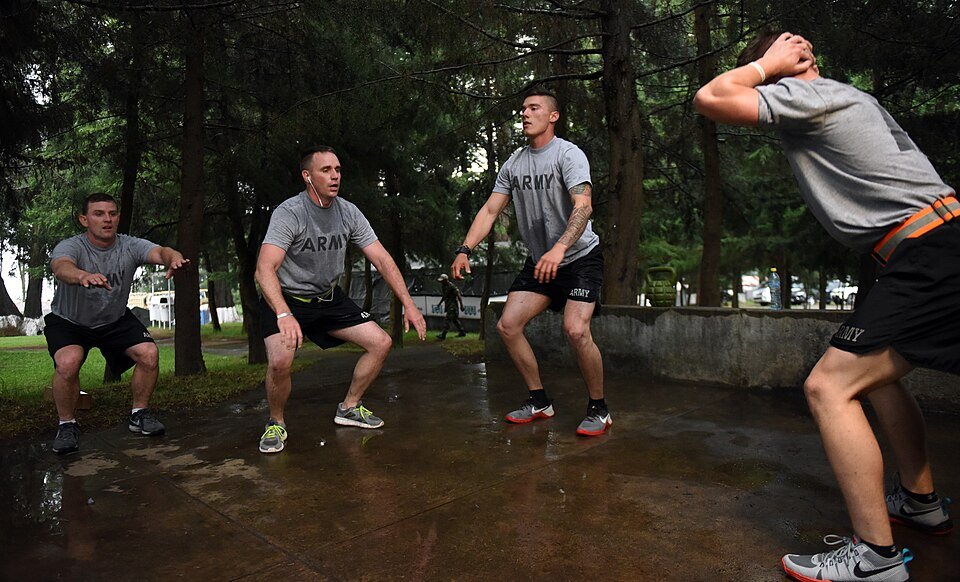
What is the best way to do bodyweight strength training at home?
No-equipment strength session
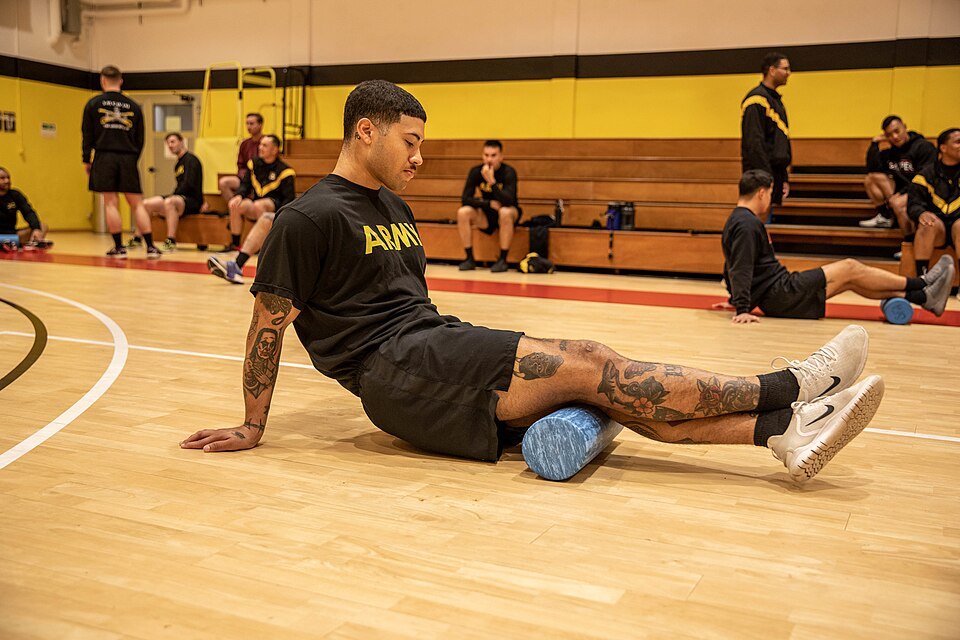
Is it possible to foam roll for muscle recovery?
Self-myofascial release basics

Why does preparing for my first 5k race feel so daunting?
First 5K readiness

How to Stretch Properly
Understanding the Importance of Stretching

How can someone track my sleep for better recovery?
Sleep tracking without anxiety

How to Create a Balanced Workout Plan
Understanding a Balanced Workout Plan
Comments
Log in to comment.