

How can someone track my sleep for better recovery?

Quick Summary
Learn how to monitor your sleep patterns to enhance recovery while minimizing stress.
⚠️ Warnings
Steps
Sleep tracking without anxiety
Data helps when it changes behaviour, not when it induces orthosomnia — worrying about sleep ruins sleep. Track two weeks baseline before tweaking habits one variable at a time. When working on track my sleep for better recovery, prioritise form over speed to avoid strain that sidelines you for weeks. Break the process into small checkpoints so you can correct mistakes early rather than starting over. If you are new to this, expect a learning curve — most people improve noticeably on the second attempt.
What you'll need
Wearable or phone app optional, Notebook, Consistent wake alarm. When working on track my sleep for better recovery, prioritise form over speed to avoid strain that sidelines you for weeks. Break the process into small checkpoints so you can correct mistakes early rather than starting over. If you are new to this, expect a learning curve — most people improve noticeably on the second attempt.
☐ Choose one tracking method and stick with it
Watch, Oura, or simple bed/wake log in notes app. Switching devices mid-experiment confuses trends. List two or three realistic options and compare cost, durability, and how often you will actually use each. Read recent reviews from verified buyers and check return policies before committing, especially for higher-priced kit.
☐ Record bedtime, wake time, and perceived quality
Subjective one-to-ten ratings correlate with performance more than some stage metrics. Work steadily through this part of track my sleep for better recovery, pausing to double-check your work against the goal before moving on — most mistakes are caught when you slow down at transitions between stages. Note what worked in a phone memo so you can repeat the process faster next time.
☐ Note caffeine cutoff and alcohol

Caffeine half-life averages five hours — afternoon tea affects deep sleep. Work steadily through this part of track my sleep for better recovery, pausing to double-check your work against the goal before moving on — most mistakes are caught when you slow down at transitions between stages. Note what worked in a phone memo so you can repeat the process faster next time.
☐ Darken room and cool temperature toward 18 °C

Blackout blinds and fan cost less than gadgets if room is bright and warm. Work steadily through this part of track my sleep for better recovery, pausing to double-check your work against the goal before moving on — most mistakes are caught when you slow down at transitions between stages. Note what worked in a phone memo so you can repeat the process faster next time.
☐ Establish thirty-minute wind-down without screens
Dim lights, read paper book, or stretch — blue light suppresses melatonin. Work steadily through this part of track my sleep for better recovery, pausing to double-check your work against the goal before moving on — most mistakes are caught when you slow down at transitions between stages. Note what worked in a phone memo so you can repeat the process faster next time.
☐ Wake same time daily including weekends
Social jet lag Monday wrecks circadian rhythm more than occasional late night. Work steadily through this part of track my sleep for better recovery, pausing to double-check your work against the goal before moving on — most mistakes are caught when you slow down at transitions between stages. Note what worked in a phone memo so you can repeat the process faster next time.
☐ Review weekly trends, not nightly scores
Look for averages improving after habit changes. Run a quick functional test at low stakes before committing fully — for track my sleep for better recovery, a short trial run reveals alignment, measurement, or configuration issues early when they are cheap to fix. Note what worked in a phone memo so you can repeat the process faster next time.
Sources and further reading
Facts, limits, and safety notes in this guide are cross-checked against the references below. Laws, fees, and product guidance change — always confirm details for your region before acting.
Background concepts and terminology
Wikipedia — Track my sleep for better recovery🔧 Troubleshooting
Difficulty falling asleep despite feeling tired.
Establish a consistent bedtime routine, limit screen time before bed, and create a relaxing environment by dimming lights and reducing noise.
Waking up frequently during the night.
Evaluate your sleep environment for disturbances, such as noise or temperature, and consider reducing caffeine intake in the afternoon and evening.
Difficulty falling asleep despite feeling tired.
Establish a consistent bedtime routine to signal your body it's time to wind down. Avoid screens at least an hour before bed and consider relaxation techniques such as deep breathing or meditation.
Waking up frequently during the night.
Evaluate your sleep environment for disturbances such as noise or light. Consider using blackout curtains and white noise machines. Additionally, limit fluid intake before bed to reduce nighttime bathroom trips.
❓ FAQs
Are consumer sleep stages accurate?
Approximate at best. Trends matter more than exact REM minutes quoted nightly.
How many hours do adults need?
Most adults function best with seven to nine hours — individual variation exists.
What are some common factors that can disrupt sleep quality?
Common factors include stress, caffeine intake, screen time before bed, irregular sleep schedules, and uncomfortable sleeping environments.
How can I improve my sleep hygiene?
Improving sleep hygiene involves maintaining a consistent sleep schedule, creating a relaxing bedtime routine, limiting screen time before bed, and ensuring a comfortable sleep environment.
What role do sleep trackers play in improving sleep?
Sleep trackers can provide insights into sleep patterns, helping you identify habits that may be affecting your sleep quality, but they should be used as a guide rather than an absolute measure.
Know a better way?
Suggest clearer steps, fix mistakes, or add detail you use in practice. Your edit is reviewed before it goes live.
Was this guide helpful?
Guide by How To Library
You might also like
Similar guides based on topic, category, and tags.

Why does preparing for my first 5k race feel so daunting?
First 5K readiness
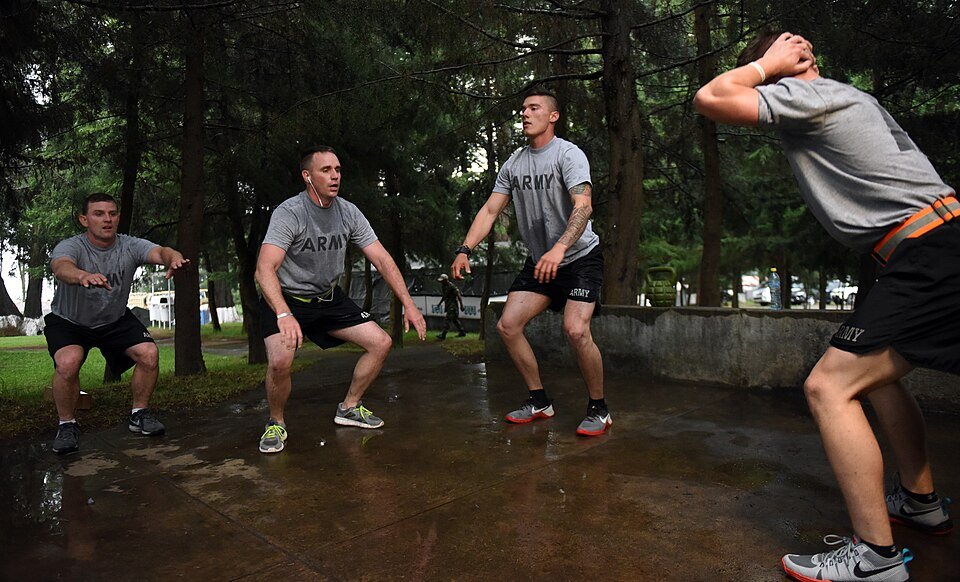
What is the best way to do bodyweight strength training at home?
No-equipment strength session
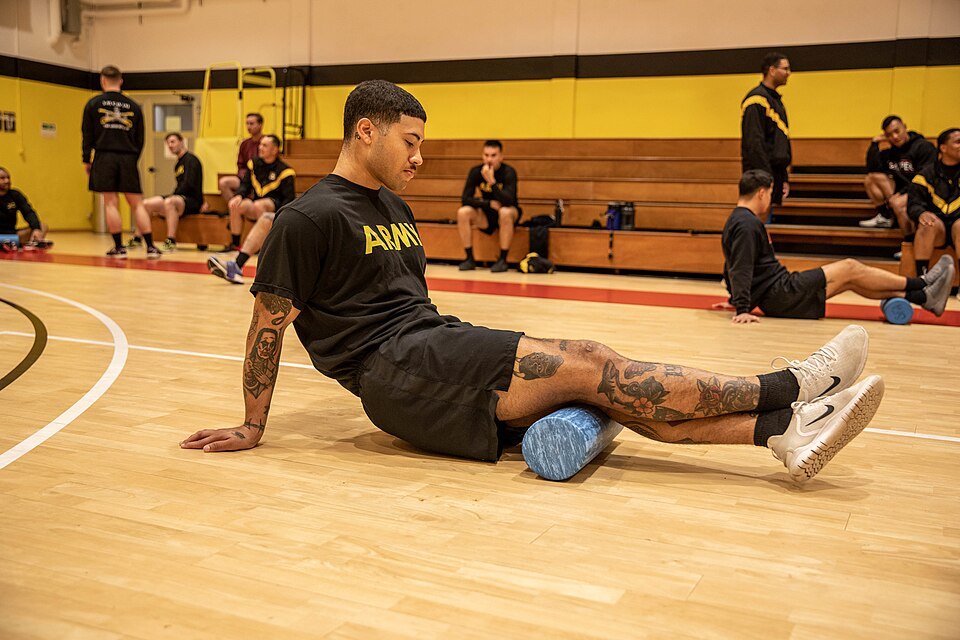
Is it possible to foam roll for muscle recovery?
This guide discusses the role of foam rolling in muscle recovery and provides an overview of self-myofascial release techniques.
How do you perform a proper warm-up?
Preparing body and nervous system
How to Improve Posture
Understanding Posture
How to Relieve Back Pain at Home
Understanding Back Pain
Comments
Log in to comment.