

How to Navigate Using a Compass

Quick Summary
Understanding the Compass
⚠️ Warnings
Steps
Understanding the Compass
A compass is a vital tool for navigation, especially in remote areas. It helps you determine direction and can be used in conjunction with a map for precise navigation. Familiarising yourself with the parts of a compass is the first step in learning how to navigate using a compass.
What you'll need
Compass, Map
Familiarise Yourself with the Compass

Before you start, take a moment to understand the components of your compass. Key parts include the needle, which always points north, the baseplate, and the degree markings. Knowing these will help you navigate using a compass effectively.
Find True North
To navigate using a compass, first hold it flat in your hand. Rotate your body until the compass needle aligns with the north marking on the compass dial. This step is crucial as it sets your orientation and helps you understand your surroundings.
Set Your Bearing

Determine your desired direction by using a map. Align the edge of the compass with your starting point and destination on the map. Rotate the compass housing until the orienting arrow is aligned with the north on the map. This gives you your bearing.
Follow Your Bearing
Once you have your bearing, lift the compass and hold it level. Rotate your body until the needle aligns with the orienting arrow. Now, walk in the direction indicated by the direction of travel arrow. Keep checking your compass to stay on course.
Use Landmarks for Reference
While navigating using a compass, use visible landmarks to confirm your direction. If you see a hill or tree that aligns with your bearing, it can help you stay oriented. This is especially important in dense forests or unfamiliar terrain.
Adjust for Magnetic Declination
In the UK, magnetic declination can affect your compass readings. Check a map or online resource for the current declination in your area and adjust your bearing accordingly. This ensures accuracy in your navigation.
Practice Regularly
The best way to become proficient at navigating using a compass is through practice. Set up small navigation challenges in your local area to build your confidence and skills. Regular practice will help you become more familiar with your compass.
Stay Calm and Focused
If you find yourself lost, remain calm. Take a moment to reassess your position using your compass and map. Retracing your steps or finding a landmark can often help you regain your bearings.
Learn avoid hypothermia with clear steps, practical tips, and troubleshooting advice tailored for UK readers.
How to avoid hypothermiaLearn build a shelter in the wild with clear steps, practical tips, and troubleshooting advice tailored for UK readers.
How to build a shelter in the wildOfficial UK guidance and safety information.
GOV.UK official guidanceConclusion
Navigating using a compass is a valuable skill for anyone who enjoys outdoor activities. By following these steps and practicing regularly, you'll be able to confidently explore the wilderness. Remember to always carry a map and compass when venturing into unfamiliar areas.
Related guides and resources
Explore related how-to guides on our site, including more in this topic and our most popular tutorials.
Access to clean water is essential when spending time outdoors. This guide will teach you various methods to purify water outdoors, ensuring you stay hydrated and healthy during your adventures.
How to Purify Water OutdoorsLearn pack a hiking backpack with clear steps, practical tips, and troubleshooting advice tailored for UK readers.
How to pack a hiking backpackLearn choose hiking boots with clear steps, practical tips, and troubleshooting advice tailored for UK readers.
How to choose hiking bootsOne of our most-read how-to guides.
How can someone organize a makeup collection?🔧 Troubleshooting
Compass needle is stuck
Check for any debris or magnetic interference around the compass. Clean the compass and ensure it is on a flat surface.
Inaccurate readings
Ensure you are away from metallic objects and electronic devices that may interfere with the compass. Also, check for proper magnetic declination adjustments.
Lost in the wilderness
Stay calm, retrace your steps using your compass and map, and look for identifiable landmarks to help orient yourself.
The compass needle does not point north.
Ensure that the compass is level and away from any metal objects or electronic devices that may interfere with its magnetic field. If the compass is still not functioning correctly, check for any damage or consider replacing it.
I can't determine my direction accurately.
Make sure you are holding the compass flat and that the needle is allowed to settle. If you are in a densely wooded area or near large metal structures, try to move to a more open space to get a clearer reading.
❓ FAQs
What should I do if my compass is not working?
If your compass is not functioning properly, check for any magnetic interference from nearby objects. Ensure the needle is free to move and that the compass is level. If issues persist, consider replacing it.
Can I use my smartphone as a compass?
While smartphones can have compass apps, they rely on electronic sensors and may not be as reliable as a traditional compass in remote areas. It's best to carry a physical compass for navigation.
How do I know if I'm heading in the right direction?
Regularly check your compass against your map and visible landmarks. If you notice discrepancies, reassess your bearing and adjust your course as needed.
Is it safe to navigate using a compass at night?
Navigating at night can be challenging. If you must do so, ensure you have a reliable light source and are familiar with your surroundings. Practice navigating in daylight first.
What is magnetic declination and why is it important?
Magnetic declination is the angle difference between magnetic north and true north. It's important to adjust your compass readings for declination to ensure accurate navigation.
Know a better way?
Suggest clearer steps, fix mistakes, or add detail you use in practice. Your edit is reviewed before it goes live.
Was this guide helpful?
Guide by How To Library
You might also like
Similar guides based on topic, category, and tags.
How to Filter Water Naturally
Understanding Natural Water Filtration
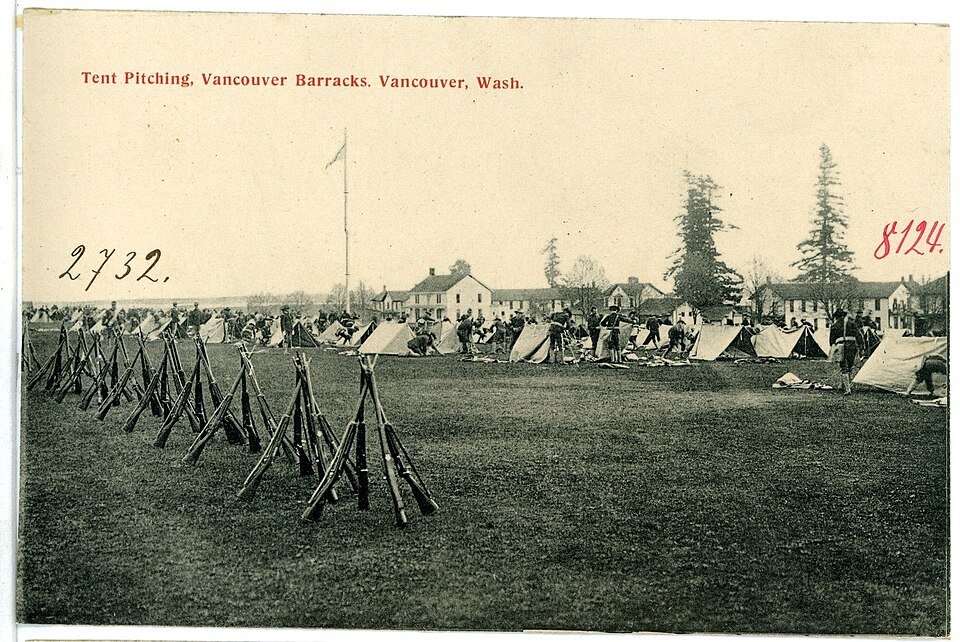
How to Pitch a Tent: A Step-by-Step Guide
Choosing the Right Location

How to Avoid Insect Bites
Understanding Insect Bites

How to build a shelter in the wild
Introduction
How to Tie Essential Survival Knots
Introduction to Survival Knots

How to Identify Edible Plants
Understanding Edible Plants
Comments
Log in to comment.