

How to Identify Edible Plants

Quick Summary
Understanding Edible Plants
⚠️ Warnings
Steps
Understanding Edible Plants
Edible plants are those that can be consumed without causing harm. However, not all plants are safe to eat, and some can be toxic. Learning how to identify edible plants is crucial for foragers and outdoor enthusiasts. When you identify edible plants, take your time and follow each step carefully.
Essential Tools for Foraging
What you'll need
Field guide to edible plants, Foraging basket
Research Local Edible Plants

Start by researching which plants are edible in your local area. Use a reputable field guide that focuses on UK flora. Familiarise yourself with common edible plants such as dandelions, nettles, and wild garlic. Always cross-reference with multiple sources to ensure accuracy.
Learn to Identify Key Features
When identifying edible plants, pay attention to key features such as leaf shape, flower colour, and growth patterns. Take notes or photographs to help with identification later. Remember that some edible plants have toxic lookalikes, so accuracy is essential.
Join a Foraging Group

Consider joining a local foraging group or attending workshops. Experienced foragers can provide invaluable insights and help you learn how to identify edible plants safely. This hands-on experience is often the best way to build your confidence.
Practice Responsible Foraging
When foraging, always practice responsible harvesting. Take only what you need and ensure that you leave enough for wildlife and future growth. Familiarise yourself with local laws regarding foraging to avoid any legal issues.
Use the 'Universal Edibility Test'
If you are unsure about a plant's edibility, you can use the 'Universal Edibility Test'. This involves a series of steps: first, touch a small part of the plant to your skin and wait for 24 hours. If there's no reaction, chew a small piece and wait another 24 hours. If still no reaction, swallow a small amount and wait for 24 hours. If you experience any adverse symptoms, do not consume the plant.
Document Your Findings
Keep a foraging journal to document the plants you identify. Include details such as location, time of year, and any recipes you try. This will help you remember which plants are safe and how to prepare them.
Consult Experts for Confirmation
If you're ever in doubt about a plant's edibility, consult an expert or a local botanist. Online forums and local botanical gardens can also be excellent resources for confirming your identifications.
Enjoy Your Foraged Edibles
Once you've confidently identified edible plants, try incorporating them into your meals. Many foraged plants can be used in salads, teas, or as garnishes. Experiment with different recipes to discover new flavours.
Learn avoid hypothermia with clear steps, practical tips, and troubleshooting advice tailored for UK readers.
How to avoid hypothermiaLearn build a shelter in the wild with clear steps, practical tips, and troubleshooting advice tailored for UK readers.
How to build a shelter in the wildOfficial UK guidance and safety information.
GOV.UK official guidanceConclusion
Learning how to identify edible plants can be a rewarding experience that enhances your time outdoors. By following the steps outlined in this guide, you can safely forage for delicious and nutritious plants. Always remember to respect nature and forage responsibly.
FAQs
Troubleshooting
Warnings
SEO
Related guides and resources
Explore related how-to guides on our site, including more in this topic and our most popular tutorials.
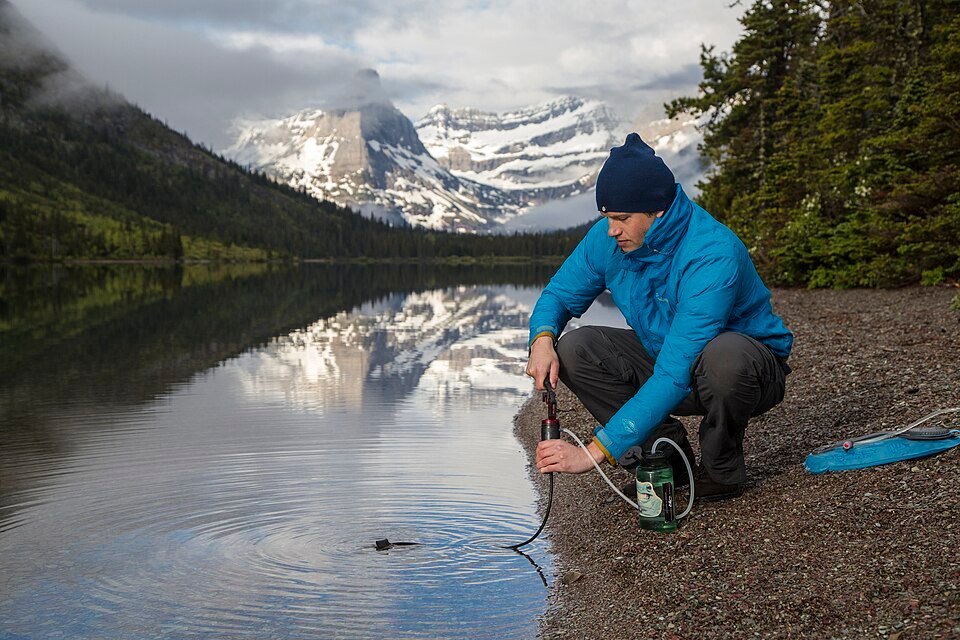
Access to clean water is essential when spending time outdoors. This guide will teach you various methods to purify water outdoors, ensuring you stay hydrated and healthy during your adventures.
How to Purify Water OutdoorsNavigating using a compass is an essential skill for outdoor enthusiasts. This guide will provide you with step-by-step instructions on how to effectively use a compass to find your way in the wilderness, ensuring you can explore safely and confidently.
How to Navigate Using a CompassPacking a hiking backpack efficiently is crucial for a successful outdoor adventure. This guide provides practical steps to ensure you pack a hiking backpack correctly, making your hike enjoyable and safe. Learn essential tips and tricks to optimise space and weight distribution.
How to Pack a Hiking BackpackOne of our most-read how-to guides.
How can someone organize a makeup collection?🔧 Troubleshooting
I can't identify a plant and I'm unsure if it's edible.
Consult a local expert or use a reputable field guide. Online foraging communities can also provide assistance.
I have a reaction after trying a new plant.
Seek medical attention immediately. Inform the healthcare provider about the plant you consumed.
I find foraging overwhelming and confusing.
Start with a few common plants and gradually expand your knowledge. Joining a local foraging group can provide support and guidance.
❓ FAQs
What are some common edible plants in the UK?
Common edible plants in the UK include dandelions, nettles, wild garlic, and elderflowers. Each of these plants has distinct features that make them easy to identify.
How can I ensure a plant is safe to eat?
Always cross-reference multiple sources when identifying plants. If in doubt, consult an expert or use the Universal Edibility Test to check for safety.
Can I eat all parts of an edible plant?
Not all parts of an edible plant are safe to eat. For example, while the leaves of some plants may be edible, their seeds or roots may be toxic. Always research each plant thoroughly.
Is foraging legal in the UK?
Foraging is generally legal in the UK, but there are restrictions on certain protected species and private land. Always check local regulations before foraging.
What should I do if I feel unwell after eating a foraged plant?
If you experience any adverse symptoms after consuming a foraged plant, seek medical attention immediately. It's crucial to inform healthcare professionals about what you have eaten.
What are some common edible plants in the UK?
Common edible plants in the UK include dandelions, nettles, wild garlic, and elderflowers. Each of these plants has distinct features that make them easy to identify.
How can I ensure a plant is safe to eat?
Always cross-reference multiple sources when identifying plants. If in doubt, consult an expert or use the Universal Edibility Test to check for safety.
Can I eat all parts of an edible plant?
Not all parts of an edible plant are safe to eat. For example, while the leaves of some plants may be edible, their seeds or roots may be toxic. Always research each plant thoroughly.
Is foraging legal in the UK?
Foraging is generally legal in the UK, but there are restrictions on certain protected species and private land. Always check local regulations before foraging.
What should I do if I feel unwell after eating a foraged plant?
If you experience any adverse symptoms after consuming a foraged plant, seek medical attention immediately. It's crucial to inform healthcare professionals about what you have eaten.
Know a better way?
Suggest clearer steps, fix mistakes, or add detail you use in practice. Your edit is reviewed before it goes live.
Was this guide helpful?
Guide by How To Library
You might also like
Similar guides based on topic, category, and tags.
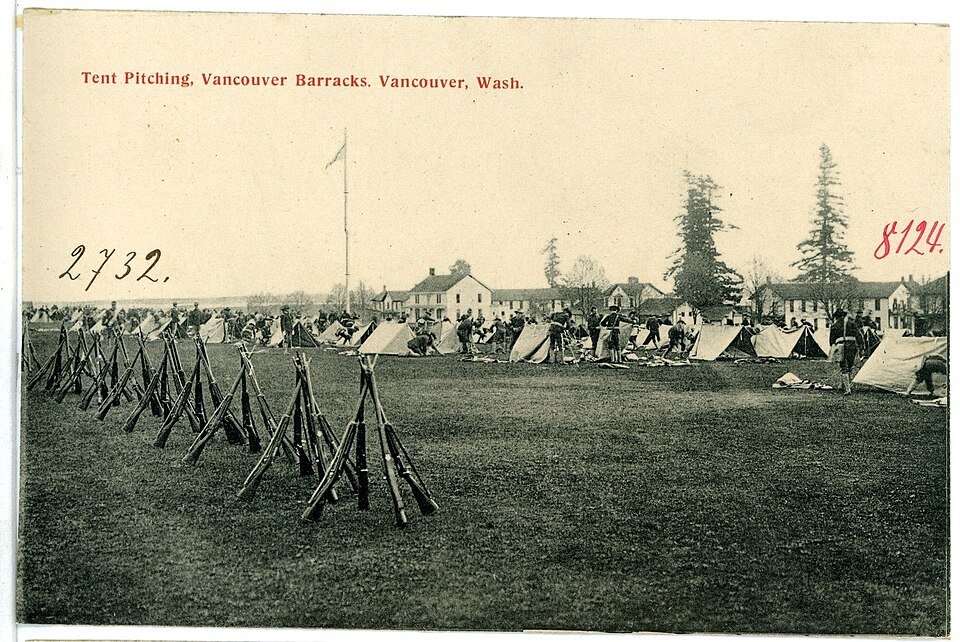
How to Pitch a Tent: A Step-by-Step Guide
Choosing the Right Location

How to Avoid Insect Bites
Understanding Insect Bites

How to build a shelter in the wild
Introduction
How to Tie Essential Survival Knots
Introduction to Survival Knots
How to Purify Water Outdoors
Understanding the Importance of Water Purification

How to Stay Safe from Wildlife
Understanding Wildlife Risks
Comments
Log in to comment.