

What do I need to reduce room echo for recording?

Quick Summary
Sharp slap-back means parallel walls. That is what you treat first. Run a quick functional test at low stakes before committing fully — for reduce room echo for recording, a short trial run reveals alignment, measurement, or configuration issues early when they are cheap to fix. Note what worked in a phone memo so you can repeat the process faster next time.
⚠️ Warnings
Steps
Clap test and listen for flutter echo

Sharp slap-back means parallel walls. That is what you treat first. Run a quick functional test at low stakes before committing fully — for reduce room echo for recording, a short trial run reveals alignment, measurement, or configuration issues early when they are cheap to fix. Note what worked in a phone memo so you can repeat the process faster next time.
Break up flat surfaces with bookshelves or diffusers

Random depth scatters reflections. Ikea Kallax full of books is underrated treatment. Work steadily through this part of reduce room echo for recording, pausing to double-check your work against the goal before moving on — most mistakes are caught when you slow down at transitions between stages. Note what worked in a phone memo so you can repeat the process faster next time.
Hang absorbers behind the mic, not behind you

Cardioid mics reject sound from rear — put absorption where the mic points after you. Work steadily through this part of reduce room echo for recording, pausing to double-check your work against the goal before moving on — most mistakes are caught when you slow down at transitions between stages. Note what worked in a phone memo so you can repeat the process faster next time.
Record closer to the mic

Six inches with a dynamic beats three feet with a condenser in echoey rooms. Work steadily through this part of reduce room echo for recording, pausing to double-check your work against the goal before moving on — most mistakes are caught when you slow down at transitions between stages. Note what worked in a phone memo so you can repeat the process faster next time.
Use rugs and curtains in hard-floor rooms

Floor bounce is huge. Thick rug under desk tames first reflections. Work steadily through this part of reduce room echo for recording, pausing to double-check your work against the goal before moving on — most mistakes are caught when you slow down at transitions between stages. Note what worked in a phone memo so you can repeat the process faster next time.
DIY panel frames with rockwool or fiberglass
Owens Corning 703 in fabric frames outperform egg crate foam. Cover fabric tightly — no exposed fibers near lungs. Work steadily through this part of reduce room echo for recording, pausing to double-check your work against the goal before moving on — most mistakes are caught when you slow down at transitions between stages. Note what worked in a phone memo so you can repeat the process faster next time.
Software reverb cannot fix bad room on voice
Light gate and NR help; room tone baked in stays. Fix capture first. Work steadily through this part of reduce room echo for recording, pausing to double-check your work against the goal before moving on — most mistakes are caught when you slow down at transitions between stages. Note what worked in a phone memo so you can repeat the process faster next time.
Sources and further reading
Facts, limits, and safety notes in this guide are cross-checked against the references below. Laws, fees, and product guidance change — always confirm details for your region before acting.
Background concepts and terminology
Wikipedia — Reduce room echo for recording🔧 Troubleshooting
Room echo persists despite adding sound-absorbing materials.
Check the placement of your sound-absorbing materials. Ensure they cover parallel walls and corners effectively. Consider adding more materials or using thicker options, such as acoustic panels or heavy curtains.
Recording levels are too low even with echo reduction measures in place.
Verify that your microphone is positioned correctly and is set to the appropriate gain level. Additionally, check your audio interface settings to ensure that the input levels are optimized for recording.
❓ FAQs
Foam panels enough?
Thin foam only kills highs. Vocals need thicker broadband absorption 2–4 inches.
Record in closet?
Clothes absorb well. Leave door cracked for airflow — sweaty sessions in sealed closets are miserable.
What materials can I use to absorb sound effectively?
Use heavy curtains, carpets, and upholstered furniture to absorb sound. Additionally, consider using bass traps in corners for low frequencies.
Does room shape affect echo?
Yes, irregular room shapes can help diffuse sound waves, reducing echo. Avoid perfectly square rooms as they tend to create standing waves.
How can I test my room for echo?
Clap your hands and listen for the echo. If you hear a prolonged sound, your room likely has echo issues that need addressing.
Know a better way?
Suggest clearer steps, fix mistakes, or add detail you use in practice. Your edit is reviewed before it goes live.
Was this guide helpful?
Guide by How To Library
You might also like
Similar guides based on topic, category, and tags.
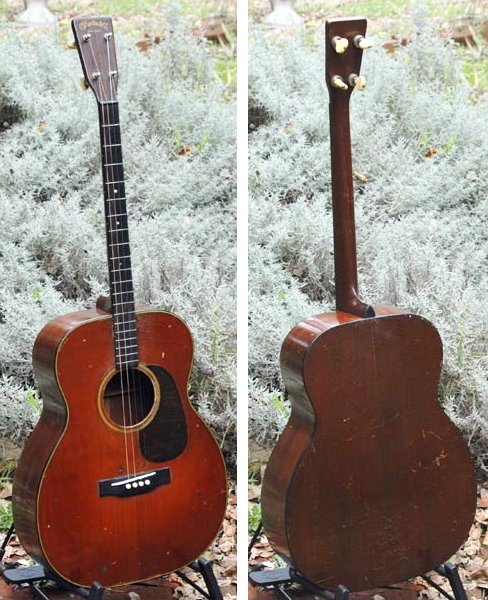
How do I tune an acoustic guitar?
Low E should read E2. Turn the tuning peg slowly until the display centers green — needle or LED depends on your tuner. Work steadily through this part of tune an acoustic guitar, pausing to double-check your work against the goal before moving on — most mistakes are caught when you slow down at transitions between stages. Note what worked in a phone memo so you can repeat the process faster next time.
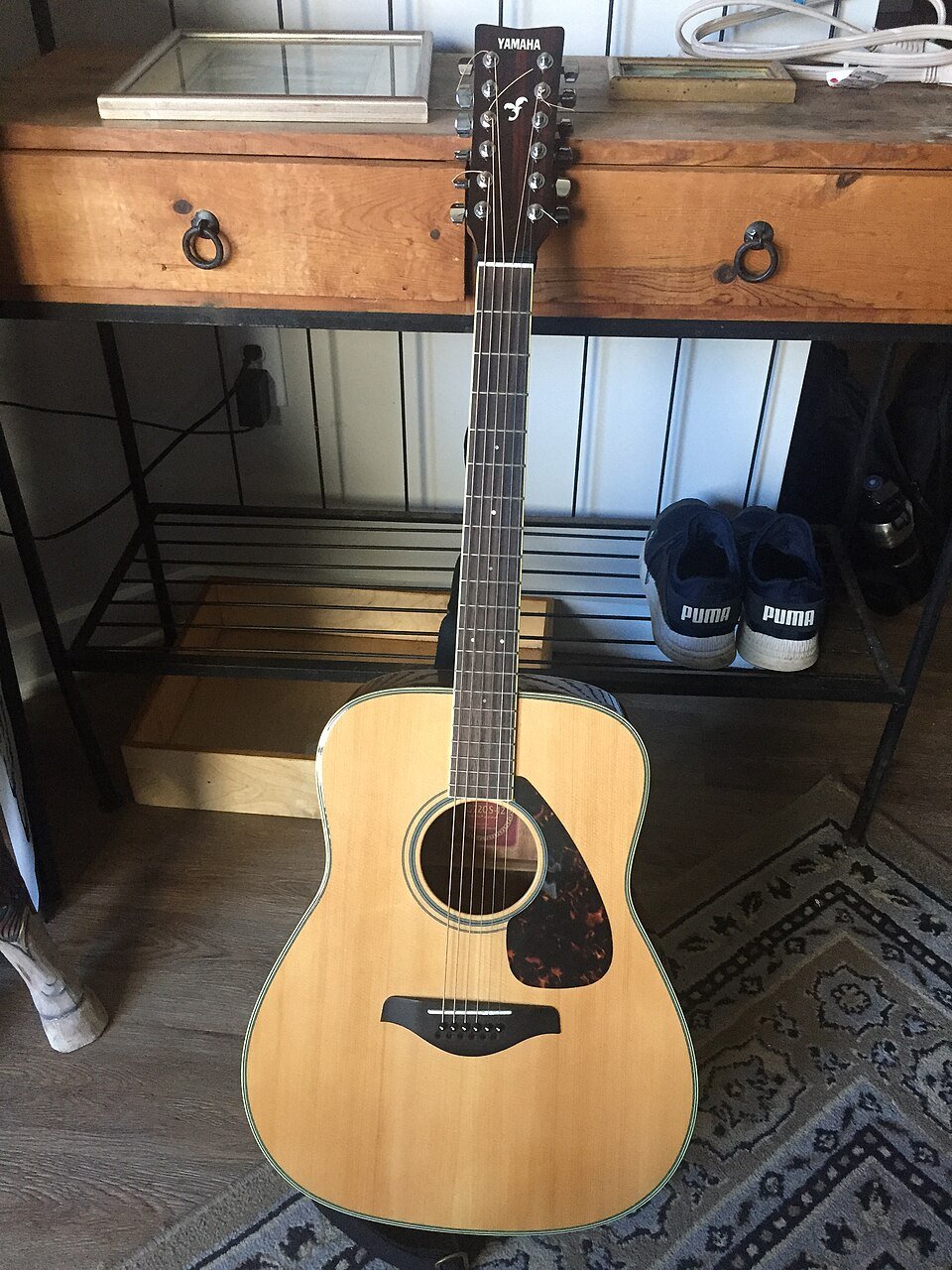
How can someone replace guitar strings?
Full removal lets you fretboard clean; one-at-a-time keeps tension on the neck for nervous beginners. Work steadily through this part of replace guitar strings, pausing to double-check your work against the goal before moving on — most mistakes are caught when you slow down at transitions between stages. Note what worked in a phone memo so you can repeat the process faster next time.

How do you set up a home recording studio?
Closets, bookcases, and blankets kill flutter echo better than cheap foam tiles on bare drywall. Shortlist two or three realistic options and compare total cost of ownership, not just upfront price — read recent verified reviews and check return policies before committing to expensive kit for set up a home recording studio. Note what worked in a phone memo so you can repeat the process faster next time.
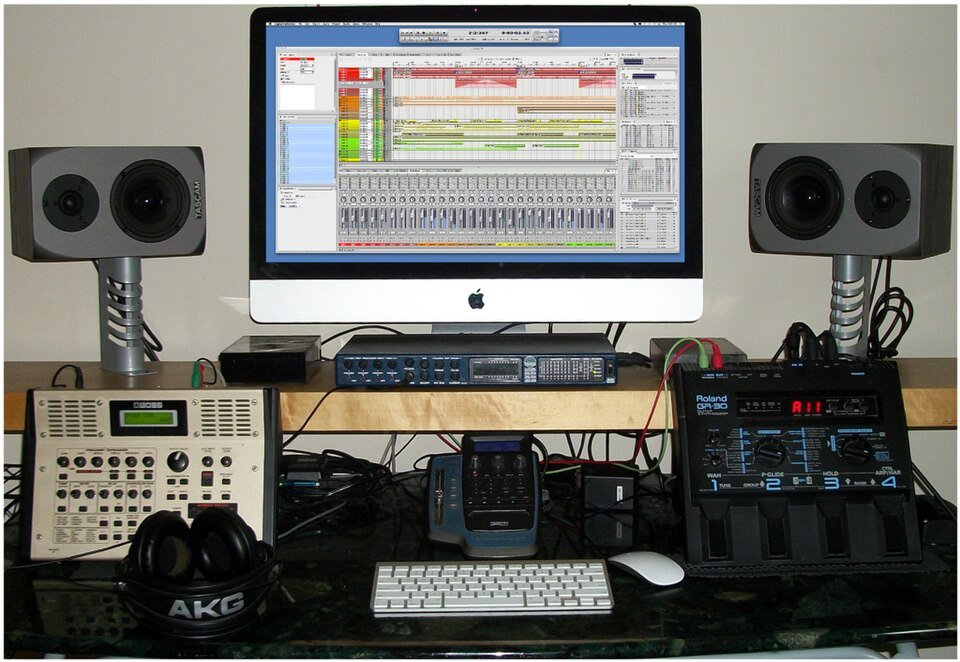
Is it possible to master a song for streaming?
Mastering adds loudness — starting hot clips the limiter instantly. Work steadily through this part of master a song for streaming, pausing to double-check your work against the goal before moving on — most mistakes are caught when you slow down at transitions between stages. Note what worked in a phone memo so you can repeat the process faster next time.
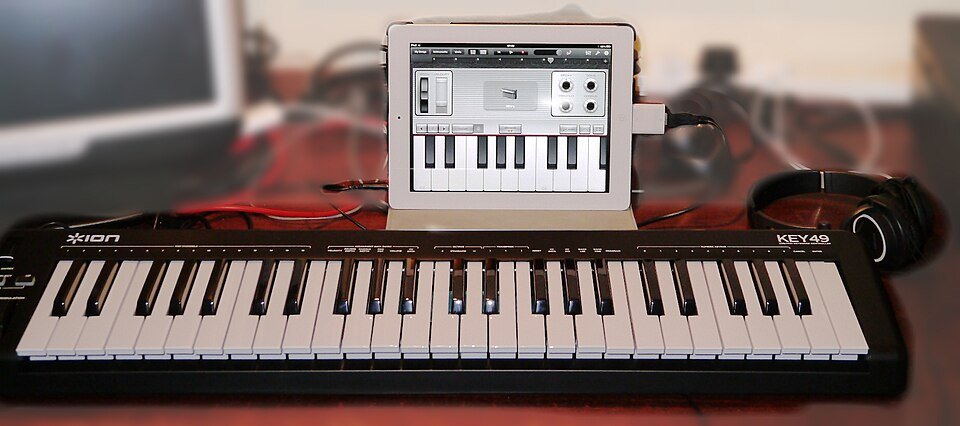
What is the best way to connect a midi keyboard?
Class-compliant keyboards work plug-and-play on Mac and Windows 10+. Older gear may need manufacturer drivers. Work steadily through this part of connect a midi keyboard, pausing to double-check your work against the goal before moving on — most mistakes are caught when you slow down at transitions between stages. Note what worked in a phone memo so you can repeat the process faster next time.
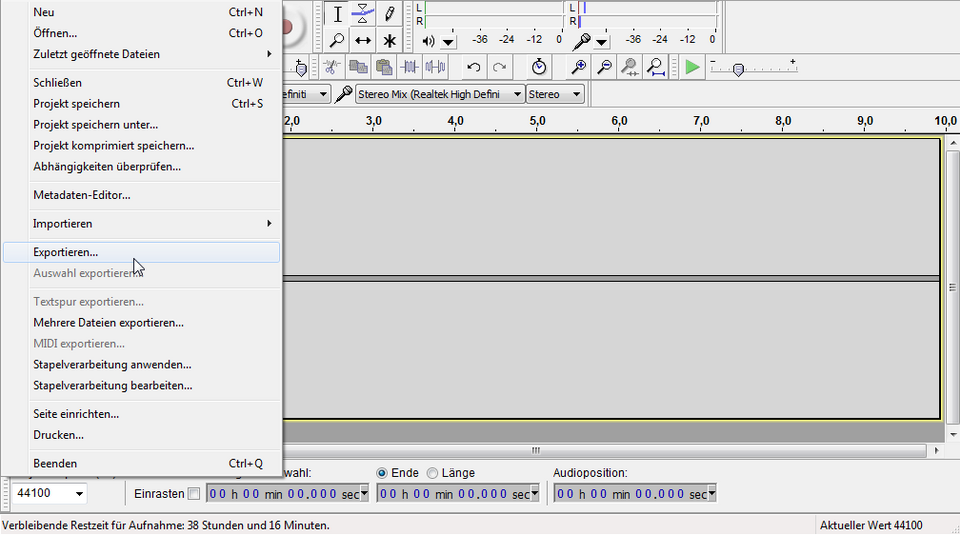
How can I mix vocals in audacity?
Leave headroom — clipping is permanent. Noise reduction works better on clean takes than on distorted ones. Work steadily through this part of mix vocals in audacity, pausing to double-check your work against the goal before moving on — most mistakes are caught when you slow down at transitions between stages. Note what worked in a phone memo so you can repeat the process faster next time.
Comments
Log in to comment.