

How does it work to record podcast audio clearly?
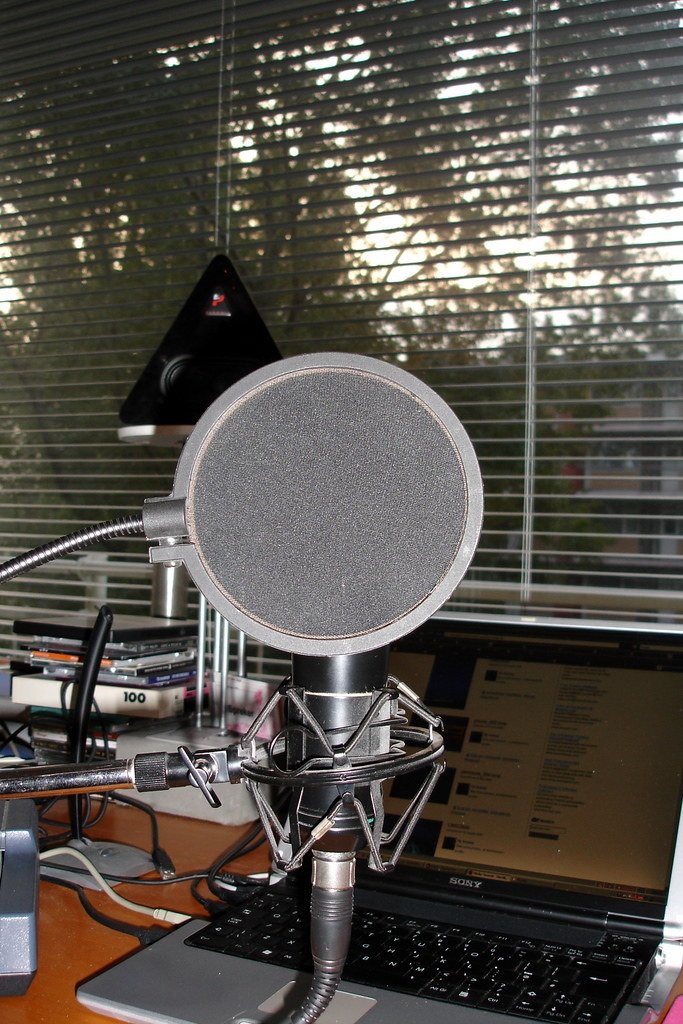
Quick Summary
SM58 or PodMic rejects room sound better than large condensers in untreated spaces. Work steadily through this part of record podcast audio clearly, pausing to double-check your work against the goal before moving on — most mistakes are caught when you slow down at transitions between stages. Note what worked in a phone memo so you can repeat the process faster next time.
Steps
Pick a dynamic mic for noisy rooms

SM58 or PodMic rejects room sound better than large condensers in untreated spaces. Work steadily through this part of record podcast audio clearly, pausing to double-check your work against the goal before moving on — most mistakes are caught when you slow down at transitions between stages. Note what worked in a phone memo so you can repeat the process faster next time.
Set input gain for -18 to -12 dB peaks
Test loudest laugh — no red clips. Quiet is fixable in post; clipped is not. Work steadily through this part of record podcast audio clearly, pausing to double-check your work against the goal before moving on — most mistakes are caught when you slow down at transitions between stages. Note what worked in a phone memo so you can repeat the process faster next time.
Position mic off-axis slightly above lip line

Reduces plosives. Pop filter one knuckle width from grille. Work steadily through this part of record podcast audio clearly, pausing to double-check your work against the goal before moving on — most mistakes are caught when you slow down at transitions between stages. Note what worked in a phone memo so you can repeat the process faster next time.
Record local and remote tracks separately
Zoom or Riverside for guests; never rely on single mixed Skype recording for final quality. Work steadily through this part of record podcast audio clearly, pausing to double-check your work against the goal before moving on — most mistakes are caught when you slow down at transitions between stages. Note what worked in a phone memo so you can repeat the process faster next time.
Monitor with headphones during recording
Catch hum, chair squeaks, and notification dings live. Work steadily through this part of record podcast audio clearly, pausing to double-check your work against the goal before moving on — most mistakes are caught when you slow down at transitions between stages. Note what worked in a phone memo so you can repeat the process faster next time.
Room treatment with soft surfaces behind you
Mic points at mouth, absorbent stuff behind mic — not behind your talking face toward a hard wall. Work steadily through this part of record podcast audio clearly, pausing to double-check your work against the goal before moving on — most mistakes are caught when you slow down at transitions between stages. Note what worked in a phone memo so you can repeat the process faster next time.
Export WAV 48 kHz 24-bit for editing
MP3 for release only after mastering chain. Archive WAVs forever. Work steadily through this part of record podcast audio clearly, pausing to double-check your work against the goal before moving on — most mistakes are caught when you slow down at transitions between stages. Note what worked in a phone memo so you can repeat the process faster next time.
Sources and further reading
Facts, limits, and safety notes in this guide are cross-checked against the references below. Laws, fees, and product guidance change — always confirm details for your region before acting.
Background concepts and terminology
Wikipedia — Record podcast audio clearly🔧 Troubleshooting
Background noise is interfering with the audio quality.
Try recording in a quieter environment or use soundproofing materials like blankets or foam panels to minimize echo and background noise.
Audio levels are too low or too high during recording.
Adjust the gain settings on your microphone or audio interface to ensure the levels are balanced. Use audio editing software to normalize the volume after recording.
Background noise is still audible in the recording.
Ensure that you are using a dynamic microphone like the SM58 or PodMic, which are designed to reject room sound better than large condensers. Additionally, try to record in a quieter environment and consider using sound-absorbing materials to minimize echo.
The audio levels are too low or too high during recording.
Check your microphone gain settings before recording. Aim for a level that peaks around -12dB to -6dB on your audio interface or recording software. Adjust the gain accordingly and perform a test recording to ensure the levels are appropriate.
❓ FAQs
Blue Yeti on desk?
Cardioid mode, gain low, mic vertical close — still picks desk bumps. Boom arm helps a lot.
How long to edit one hour?
Skilled editors do 2:1 ratio — two hours edit per hour recorded for tight shows.
What is the best microphone for podcasting at home?
Dynamic microphones like the Shure SM7B or the Audio-Technica ATR2100x are popular choices for home podcasting due to their ability to reject background noise.
How can I reduce background noise when recording?
Use soundproofing techniques like adding rugs, curtains, or foam panels, and choose a quiet time to record when there are fewer distractions.
What software should I use for recording and editing my podcast?
Popular options include Audacity for beginners, Adobe Audition for advanced users, and GarageBand for Mac users, all of which offer various features for recording and editing audio.
What is the ideal recording environment for podcasting?
A quiet, untreated room with minimal echo is best. Use soft furnishings to absorb sound and avoid recording in spaces with hard surfaces that reflect sound.
How can I improve my vocal clarity while recording?
Maintain a consistent distance from the microphone, use a pop filter to reduce plosive sounds, and practice good vocal techniques like proper breathing and enunciation.
Should I use headphones while recording my podcast?
Yes, using closed-back headphones helps you monitor your audio in real-time, allowing you to catch issues like background noise or distortion during the recording.
Know a better way?
Suggest clearer steps, fix mistakes, or add detail you use in practice. Your edit is reviewed before it goes live.
Was this guide helpful?
Guide by How To Library
You might also like
Similar guides based on topic, category, and tags.
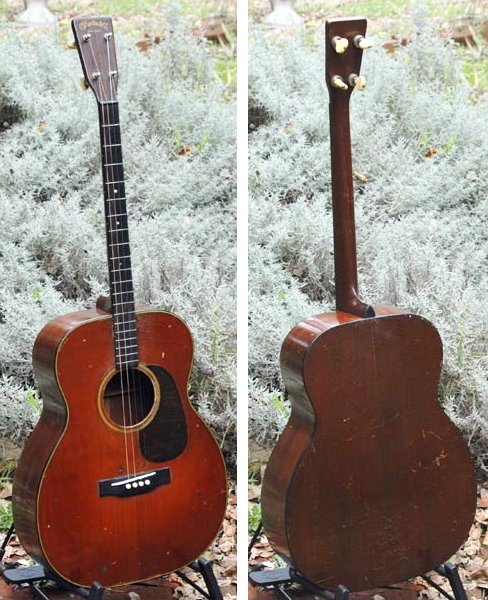
How do I tune an acoustic guitar?
Low E should read E2. Turn the tuning peg slowly until the display centers green — needle or LED depends on your tuner. Work steadily through this part of tune an acoustic guitar, pausing to double-check your work against the goal before moving on — most mistakes are caught when you slow down at transitions between stages. Note what worked in a phone memo so you can repeat the process faster next time.

How do you set up a home recording studio?
Closets, bookcases, and blankets kill flutter echo better than cheap foam tiles on bare drywall. Shortlist two or three realistic options and compare total cost of ownership, not just upfront price — read recent verified reviews and check return policies before committing to expensive kit for set up a home recording studio. Note what worked in a phone memo so you can repeat the process faster next time.
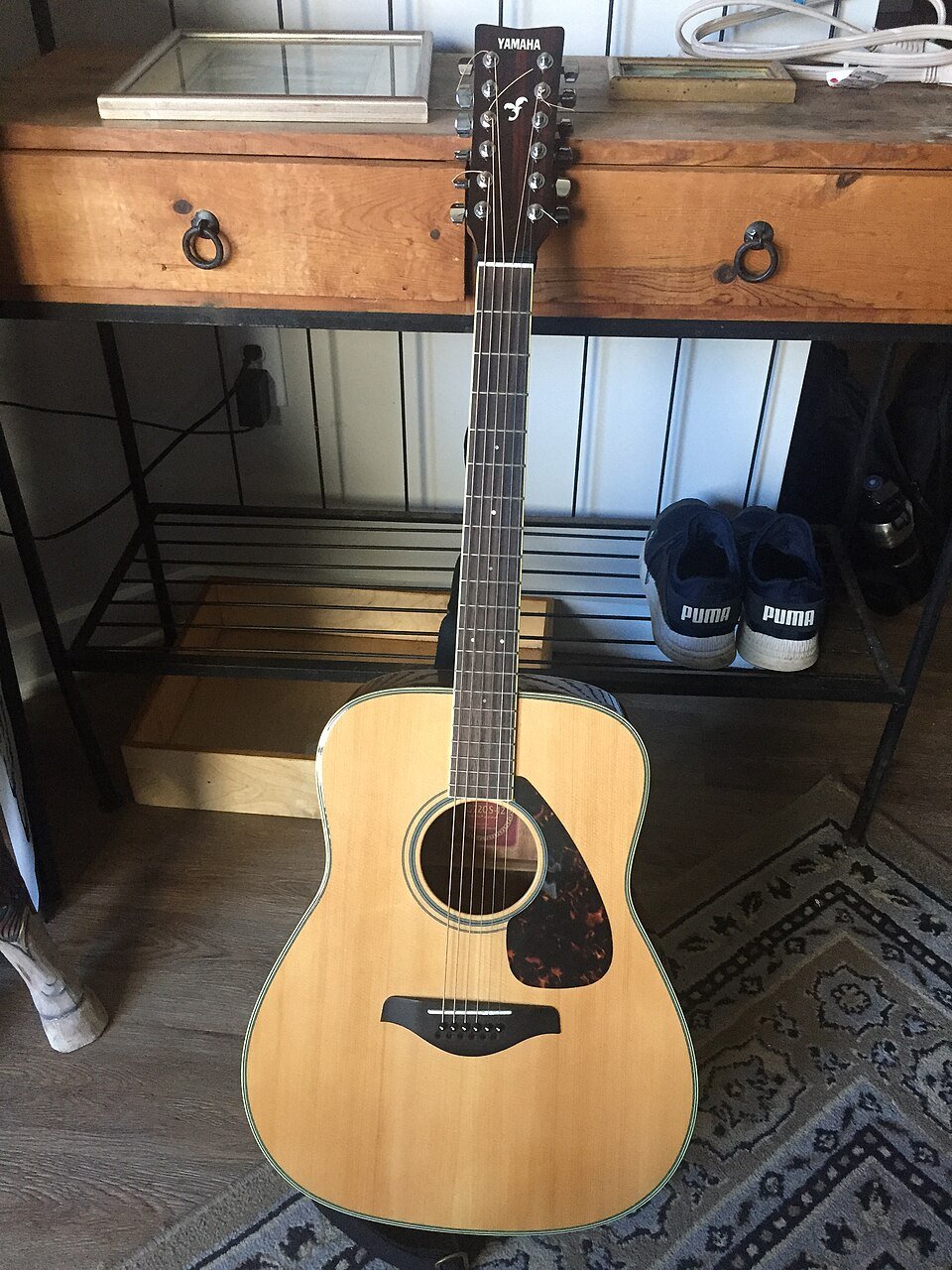
How can someone replace guitar strings?
Full removal lets you fretboard clean; one-at-a-time keeps tension on the neck for nervous beginners. Work steadily through this part of replace guitar strings, pausing to double-check your work against the goal before moving on — most mistakes are caught when you slow down at transitions between stages. Note what worked in a phone memo so you can repeat the process faster next time.
What do I need to reduce room echo for recording?
Sharp slap-back means parallel walls. That is what you treat first. Run a quick functional test at low stakes before committing fully — for reduce room echo for recording, a short trial run reveals alignment, measurement, or configuration issues early when they are cheap to fix. Note what worked in a phone memo so you can repeat the process faster next time.
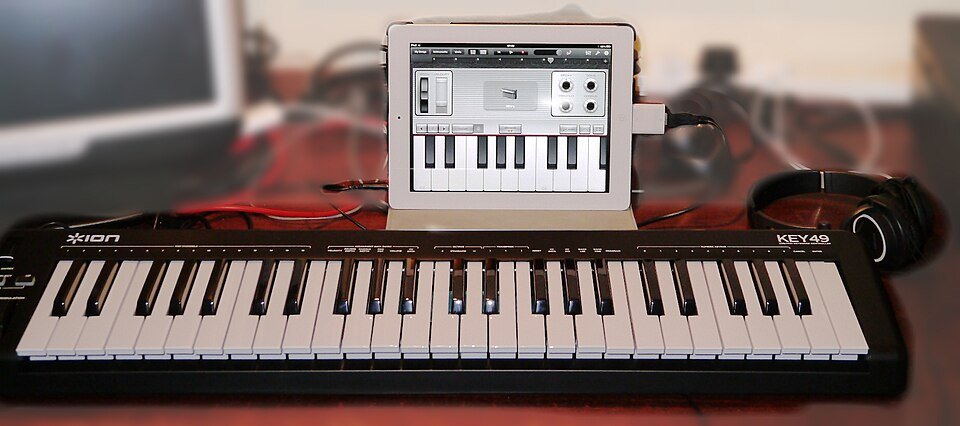
What is the best way to connect a midi keyboard?
Class-compliant keyboards work plug-and-play on Mac and Windows 10+. Older gear may need manufacturer drivers. Work steadily through this part of connect a midi keyboard, pausing to double-check your work against the goal before moving on — most mistakes are caught when you slow down at transitions between stages. Note what worked in a phone memo so you can repeat the process faster next time.
How can I mix vocals in audacity?
Leave headroom — clipping is permanent. Noise reduction works better on clean takes than on distorted ones. Work steadily through this part of mix vocals in audacity, pausing to double-check your work against the goal before moving on — most mistakes are caught when you slow down at transitions between stages. Note what worked in a phone memo so you can repeat the process faster next time.
Comments
Log in to comment.