

Is it possible to master a song for streaming?
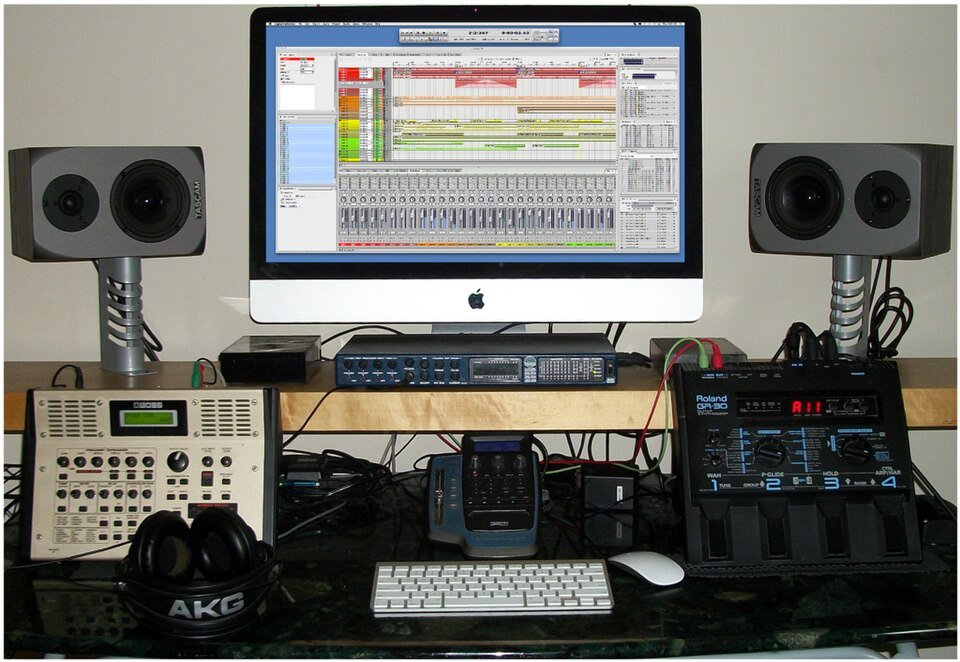
Quick Summary
Mastering adds loudness — starting hot clips the limiter instantly. Work steadily through this part of master a song for streaming, pausing to double-check your work against the goal before moving on — most mistakes are caught when you slow down at transitions between stages. Note what worked in a phone memo so you can repeat the process faster next time.
⚠️ Warnings
Steps
Bounce mix with 3–6 dB headroom

Mastering adds loudness — starting hot clips the limiter instantly. Work steadily through this part of master a song for streaming, pausing to double-check your work against the goal before moving on — most mistakes are caught when you slow down at transitions between stages. Note what worked in a phone memo so you can repeat the process faster next time.
EQ subtle broad moves on the stereo bus
High-pass at 30 Hz, gentle tilt if dull or harsh. Surgical fixes belong in the mix. Work steadily through this part of master a song for streaming, pausing to double-check your work against the goal before moving on — most mistakes are caught when you slow down at transitions between stages. Note what worked in a phone memo so you can repeat the process faster next time.
Compress 1–2 dB gain reduction max on bus
Multiband only if bass pumping; otherwise slow attack glue compressor. Work steadily through this part of master a song for streaming, pausing to double-check your work against the goal before moving on — most mistakes are caught when you slow down at transitions between stages. Note what worked in a phone memo so you can repeat the process faster next time.
Limit to target LUFS with true peak ceiling -1 dBTP
Youlean or built-in loudness meters show integrated LUFS. Do not chase -8 LUFS — platforms normalize down anyway. Work steadily through this part of master a song for streaming, pausing to double-check your work against the goal before moving on — most mistakes are caught when you slow down at transitions between stages. Note what worked in a phone memo so you can repeat the process faster next time.
Check mono compatibility
Bass and kick should stay centered. Phasey wideners collapse on phone speakers. Run a quick functional test at low stakes before committing fully — for master a song for streaming, a short trial run reveals alignment, measurement, or configuration issues early when they are cheap to fix. Note what worked in a phone memo so you can repeat the process faster next time.
A/B against reference track in genre
Level-match reference — louder always sounds better to ears. Work steadily through this part of master a song for streaming, pausing to double-check your work against the goal before moving on — most mistakes are caught when you slow down at transitions between stages. Note what worked in a phone memo so you can repeat the process faster next time.
Export 24-bit WAV and lossless distribution master
Let aggregators transcode to AAC/MP3. Upload MP3-only if that is all you have, but archive WAV. Work steadily through this part of master a song for streaming, pausing to double-check your work against the goal before moving on — most mistakes are caught when you slow down at transitions between stages. Note what worked in a phone memo so you can repeat the process faster next time.
Sources and further reading
Facts, limits, and safety notes in this guide are cross-checked against the references below. Laws, fees, and product guidance change — always confirm details for your region before acting.
Background concepts and terminology
Wikipedia — Master a song for streaming🔧 Troubleshooting
My mastered track sounds too quiet compared to other songs on the platform.
Check the loudness level of your track using a LUFS meter. Aim for around -14 LUFS for streaming platforms like Spotify. If your track is below this level, consider increasing the overall gain or adjusting the dynamics to achieve the target loudness.
The dynamics of my track feel squashed after mastering.
Ensure you’re not over-compressing during the mastering process. Use a light touch with compression and limiters, and consider leaving some headroom. You can also try using a multiband compressor to control specific frequency ranges without affecting the overall dynamics.
The mastered track sounds too quiet compared to other songs on streaming platforms.
Check the loudness level of your track using a LUFS meter. Aim for around -14 LUFS for platforms like Spotify. If your track is quieter, consider adjusting the overall gain or using a limiter to increase the loudness without clipping.
The dynamics of the track feel lost or overly compressed after mastering.
Review your mastering chain and ensure that you are not over-compressing the track. Use a multiband compressor to control specific frequency ranges without affecting the overall dynamics. Additionally, consider using a reference track to compare dynamics and make necessary adjustments.
The mastered track sounds too quiet compared to other songs on streaming platforms.
Check the loudness levels of your track using a loudness meter. Aim for a target of around -14 LUFS for most streaming services. If your track is quieter, consider increasing the overall gain or adjusting the compression settings to achieve the desired loudness without sacrificing dynamic range.
The bass frequencies are overwhelming and muddy in the mastered track.
Use an EQ to cut unnecessary low frequencies that may be causing muddiness. Focus on cleaning up the low end by applying a high-pass filter around 30-40 Hz and carefully balancing the bass elements in the mix. Additionally, ensure that the bass is not overpowering the other elements by adjusting its level in the mix.
❓ FAQs
Master in headphones?
Possible if you know them well — always verify on speakers or earbuds average listeners use.
AI mastering services?
Landr and similar are fine for demos. Custom human master still wins for release singles you promote hard.
Know a better way?
Suggest clearer steps, fix mistakes, or add detail you use in practice. Your edit is reviewed before it goes live.
Was this guide helpful?
Guide by How To Library
You might also like
Similar guides based on topic, category, and tags.
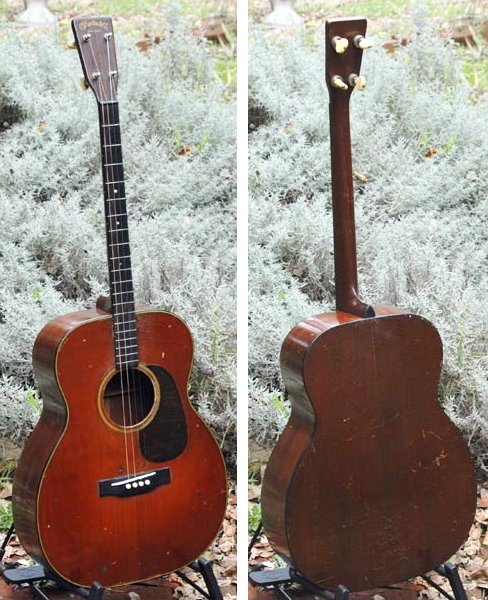
How do I tune an acoustic guitar?
Low E should read E2. Turn the tuning peg slowly until the display centers green — needle or LED depends on your tuner. Work steadily through this part of tune an acoustic guitar, pausing to double-check your work against the goal before moving on — most mistakes are caught when you slow down at transitions between stages. Note what worked in a phone memo so you can repeat the process faster next time.
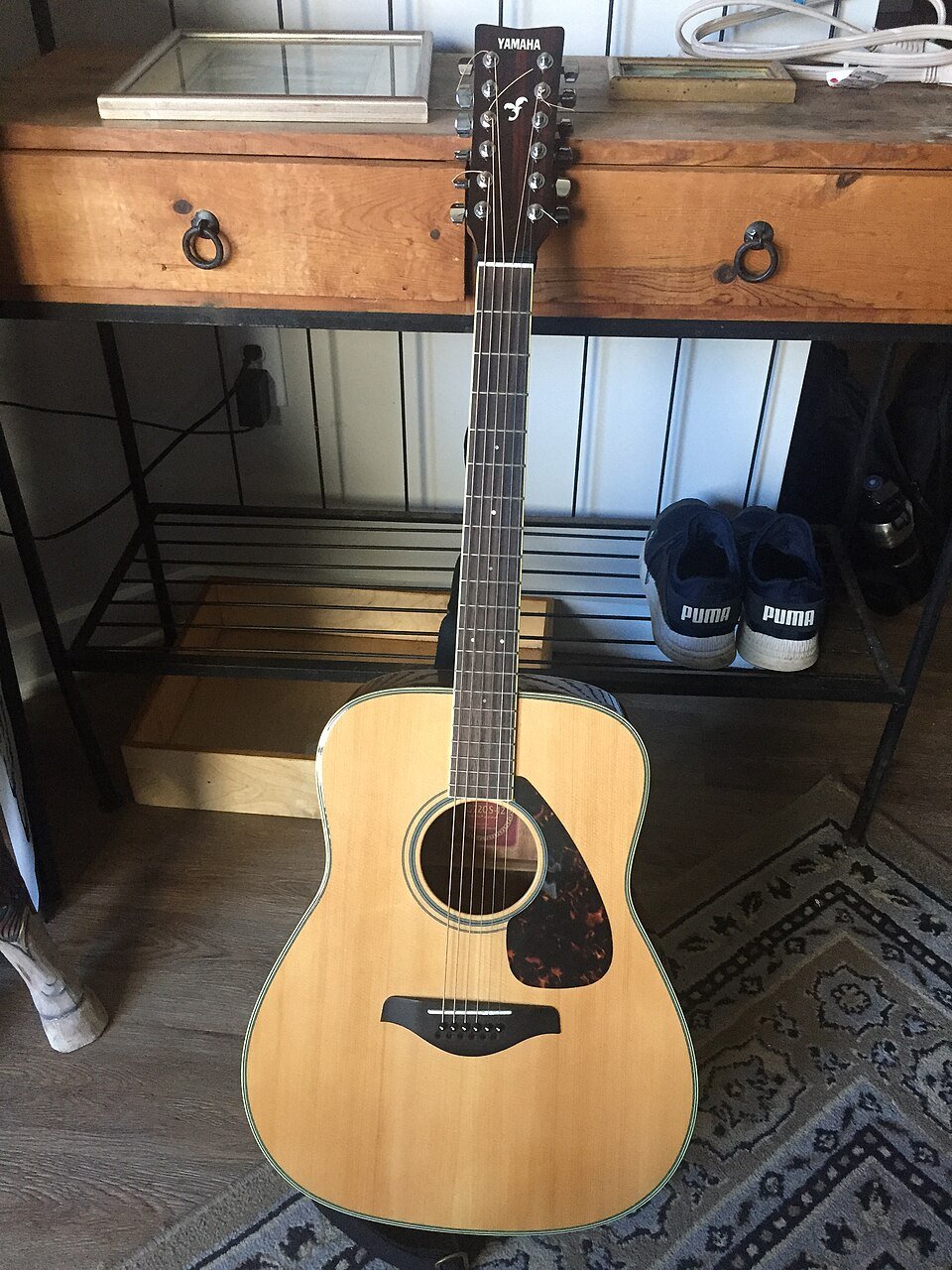
How can someone replace guitar strings?
Full removal lets you fretboard clean; one-at-a-time keeps tension on the neck for nervous beginners. Work steadily through this part of replace guitar strings, pausing to double-check your work against the goal before moving on — most mistakes are caught when you slow down at transitions between stages. Note what worked in a phone memo so you can repeat the process faster next time.

What do I need to reduce room echo for recording?
Sharp slap-back means parallel walls. That is what you treat first. Run a quick functional test at low stakes before committing fully — for reduce room echo for recording, a short trial run reveals alignment, measurement, or configuration issues early when they are cheap to fix. Note what worked in a phone memo so you can repeat the process faster next time.

How do you set up a home recording studio?
Closets, bookcases, and blankets kill flutter echo better than cheap foam tiles on bare drywall. Shortlist two or three realistic options and compare total cost of ownership, not just upfront price — read recent verified reviews and check return policies before committing to expensive kit for set up a home recording studio. Note what worked in a phone memo so you can repeat the process faster next time.

When should I transcribe a song by ear?
Start acoustic or piano ballad — not dense metal. One instrument at a time. Work steadily through this part of transcribe a song by ear, pausing to double-check your work against the goal before moving on — most mistakes are caught when you slow down at transitions between stages. Note what worked in a phone memo so you can repeat the process faster next time.
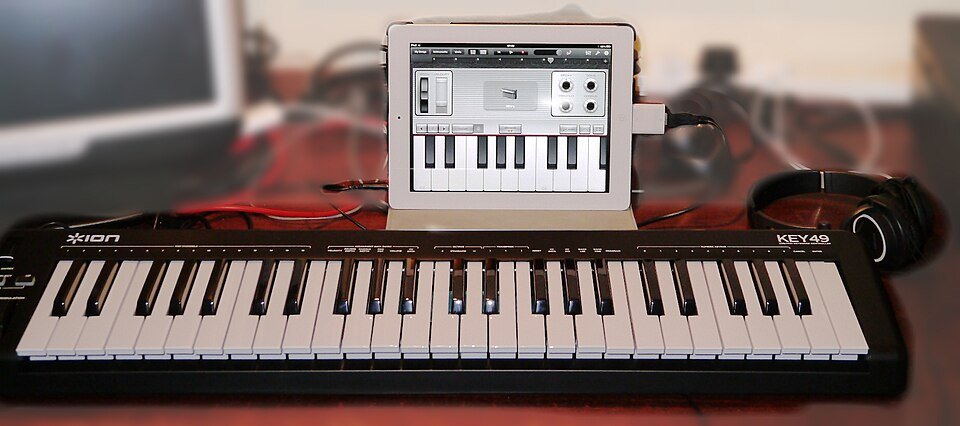
What is the best way to connect a midi keyboard?
Class-compliant keyboards work plug-and-play on Mac and Windows 10+. Older gear may need manufacturer drivers. Work steadily through this part of connect a midi keyboard, pausing to double-check your work against the goal before moving on — most mistakes are caught when you slow down at transitions between stages. Note what worked in a phone memo so you can repeat the process faster next time.
Comments
Log in to comment.