

Is it possible to ferment vegetables at home?

Quick Summary
Safe vegetable fermentation
⚠️ Warnings
Steps
Safe vegetable fermentation
Lactic acid bacteria thrive in salty anaerobic brine, outcompeting harmful microbes. Use non-iodised salt — fine sea salt dissolves evenly. Chlorinated tap water is fine if you are not overly sensitive; filter if fermentation seems sluggish.
What you'll need
Clean glass jar with lid, Non-iodised salt, Mixing bowl, Fermentation weight or cabbage leaf, Kitchen scales. When working on ferment vegetables at home, taste as you go and adjust seasoning in small increments. Break the process into small checkpoints so you can correct mistakes early rather than starting over. If you are new to this, expect a learning curve — most people improve noticeably on the second attempt.
Weigh vegetables and salt at two to three percent

For 1 kg cabbage, use 20–30 g salt. Massage shredded cabbage until brine pools — no extra water needed for kraut. Work steadily through this part of ferment vegetables at home, pausing to double-check your work against the goal before moving on — most mistakes are caught when you slow down at transitions between stages. Note what worked in a phone memo so you can repeat the process faster next time.
Pack tightly below brine line

Air exposure causes mould. Use a cabbage leaf or glass weight to submerge shreds. Leave two centimetres headspace for CO₂ expansion. Work steadily through this part of ferment vegetables at home, pausing to double-check your work against the goal before moving on — most mistakes are caught when you slow down at transitions between stages. Note what worked in a phone memo so you can repeat the process faster next time.
Burp jar daily first week if using sealed lid

Gas builds pressure. Special fermentation lids with airlocks reduce babysitting. Work steadily through this part of ferment vegetables at home, pausing to double-check your work against the goal before moving on — most mistakes are caught when you slow down at transitions between stages. Note what worked in a phone memo so you can repeat the process faster next time.
Ferment at cool room temperature one to three weeks

Taste weekly. Cooler UK pantries slow fermentation — extend time rather than moving to a hot airing cupboard. Work steadily through this part of ferment vegetables at home, pausing to double-check your work against the goal before moving on — most mistakes are caught when you slow down at transitions between stages. Note what worked in a phone memo so you can repeat the process faster next time.
Refrigerate when tangy enough

Cold slows fermentation dramatically. Sauerkraut keeps months refrigerated submerged in brine. Work steadily through this part of ferment vegetables at home, pausing to double-check your work against the goal before moving on — most mistakes are caught when you slow down at transitions between stages. Note what worked in a phone memo so you can repeat the process faster next time.
Sources and further reading
Facts, limits, and safety notes in this guide are cross-checked against the references below. Laws, fees, and product guidance change — always confirm details for your region before acting.
Background concepts and terminology
Wikipedia — Ferment vegetables at home🔧 Troubleshooting
White film on surface
Often harmless kahm yeast — skim and ensure veg stays submerged. True mould is fuzzy and coloured.
Ferment not bubbling
Room may be too cold. Move to slightly warmer spot and wait longer.
Vegetables are not fermenting after a week.
Ensure that the vegetables are fully submerged in the brine. If they are not, add more saltwater to cover them completely. Additionally, check the temperature; fermentation works best between 60-75°F (15-24°C). If the environment is too cold, consider moving the jar to a warmer location.
Mold is forming on the surface of the ferment.
Mold can occur if vegetables are not submerged in brine. Remove the mold carefully with a clean spoon and ensure the vegetables are covered. If the mold persists, discard the batch and start over, ensuring proper sanitation of the jar and utensils.
Vegetables are not fermenting after a week.
Ensure that the vegetables are fully submerged in the brine to prevent exposure to air. Check the temperature of the environment; it should be between 60°F to 75°F for optimal fermentation. If necessary, add more salt to the brine to create a more favorable environment for fermentation.
The fermented vegetables have an off smell or mold on the surface.
If you notice an off smell or mold, remove the mold carefully and check the vegetables underneath. If they look and smell fine, they are likely safe to eat. However, if the smell is unpleasant or the mold is extensive, it's best to discard the batch and start over, ensuring all equipment is sanitized before the next attempt.
❓ FAQs
Do I need starter culture?
No for basic kraut — wild bacteria on cabbage suffice. Kimchi sometimes benefits from gochugaru and fish sauce, not lab cultures.
Why is my ferment too salty?
Next batch reduce salt toward two percent. Rinse oversalted kraut lightly before serving.
What vegetables are best for fermentation?
Cabbage, carrots, radishes, and cucumbers are popular choices, but you can ferment almost any vegetable.
How long does it take to ferment vegetables?
Fermentation time varies; typically, it takes 1-4 weeks depending on the vegetable and desired tanginess.
How can I tell if my fermentation went wrong?
Signs of spoilage include off-putting smells, mold on the surface, or an unusual color. If in doubt, discard the batch.
Know a better way?
Suggest clearer steps, fix mistakes, or add detail you use in practice. Your edit is reviewed before it goes live.
Was this guide helpful?
Guide by How To Library
You might also like
Similar guides based on topic, category, and tags.

How do you bake a perfect sourdough loaf?
From starter to steaming crust
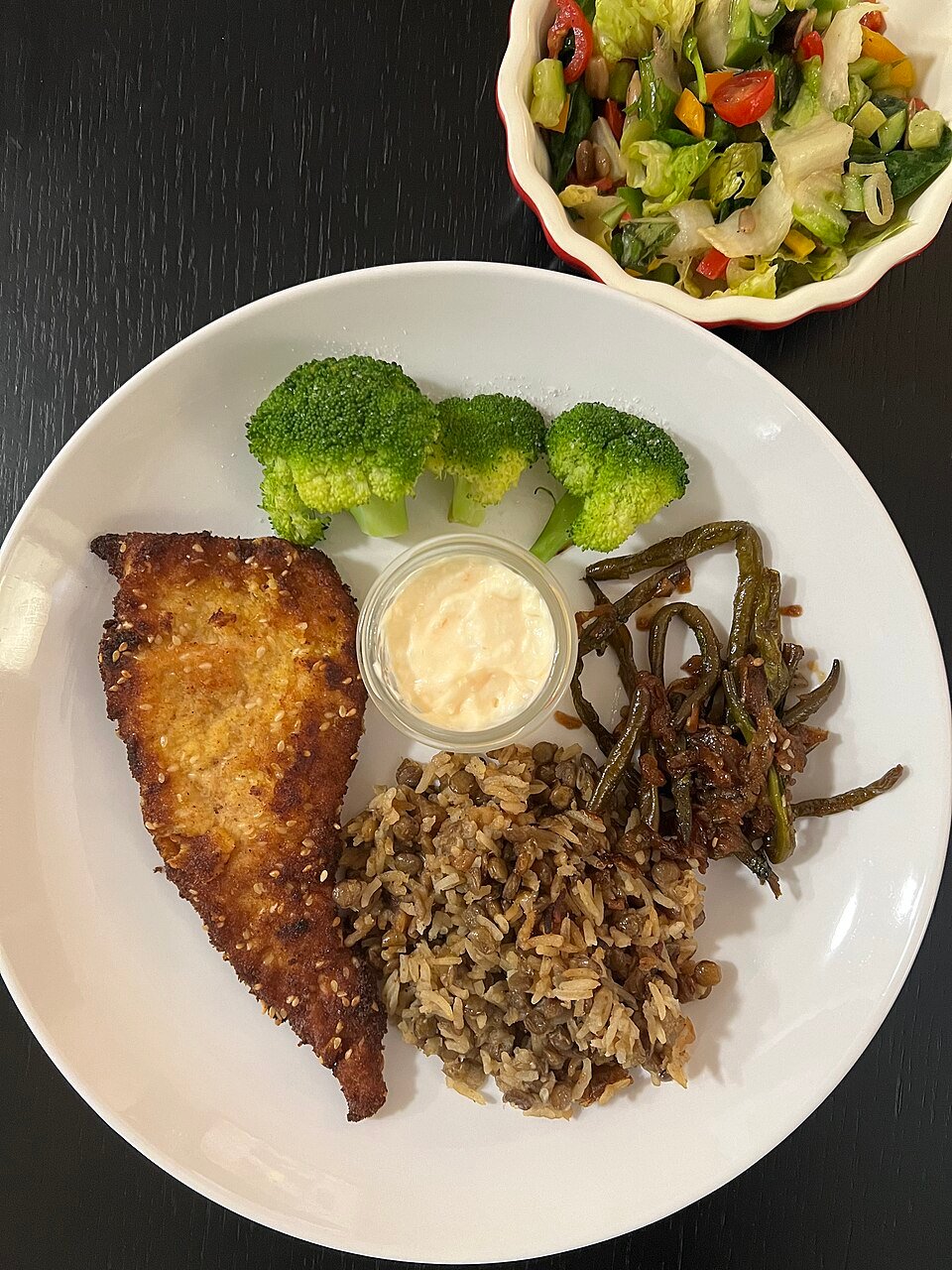
How can I plate restaurant-quality meals at home?
Plating as the final seasoning

How to deep-clean a kitchen properly
Work top to bottom: clear surfaces, degrease, then floors. Food-safe sanitiser on boards after soap and water. Understanding deep-clean a kitchen properly in a UK context saves costly mistakes — regulations, suppliers, and safety standards differ from other countries. Note what worked in a phone memo so you can repeat the process faster next time.

How can someone meal prep for a busy week?
Efficient weekly meal preparation

How to work out tips and split a restaurant bill
Ten to twelve percent is typical for good table service in the UK; fifteen percent for exceptional care. Check whether service is already included on the bill.

How to convert cups, spoons, and millilitres in recipes
Volume and weight are not interchangeable for dry ingredients — a cup of flour weighs less than a cup of sugar. For liquids, volume conversion is reliable.
Comments
Log in to comment.