

How can I plate restaurant-quality meals at home?
Quick Summary
Plating as the final seasoning
⚠️ Warnings
Steps
Plating as the final seasoning
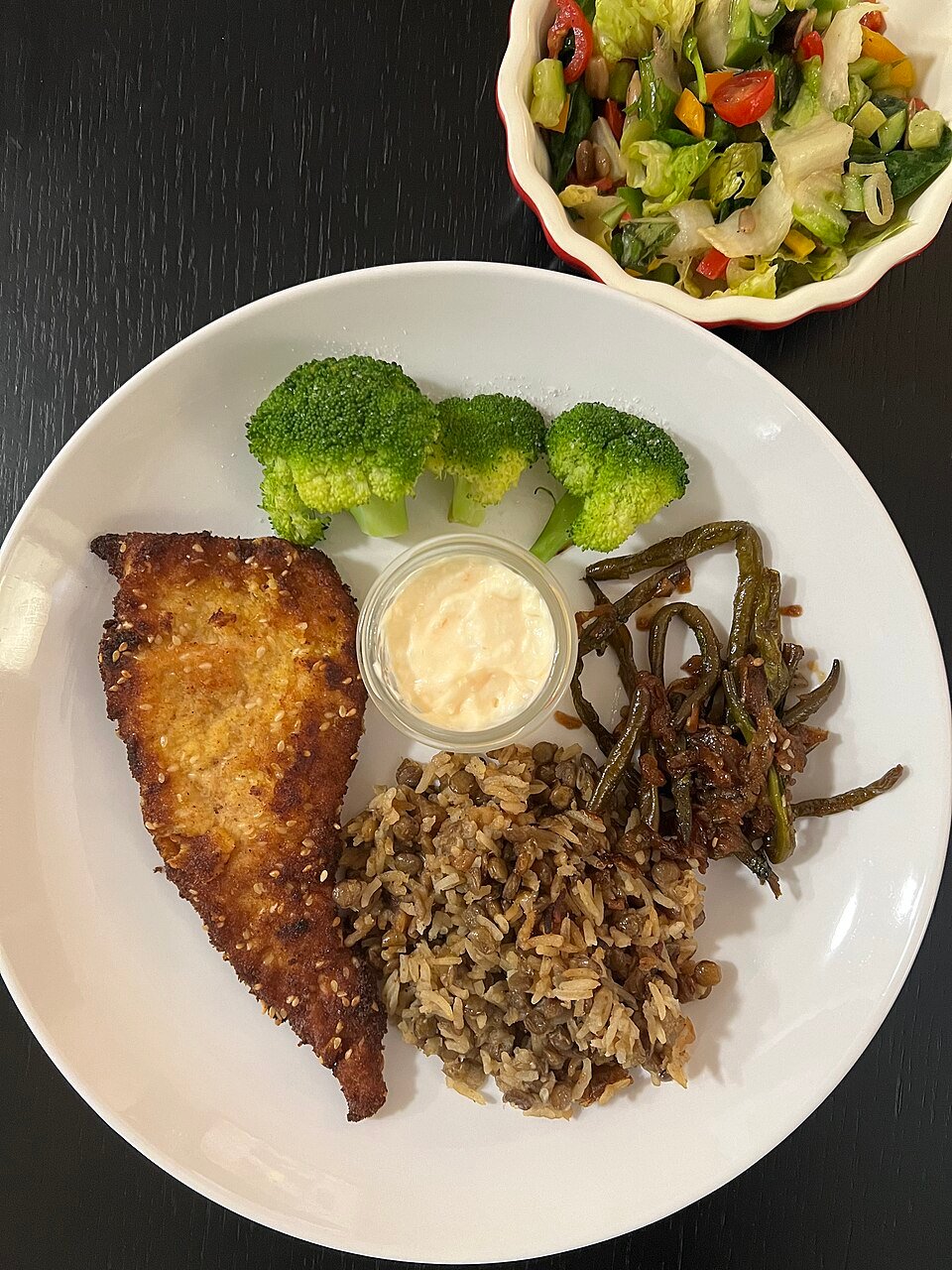
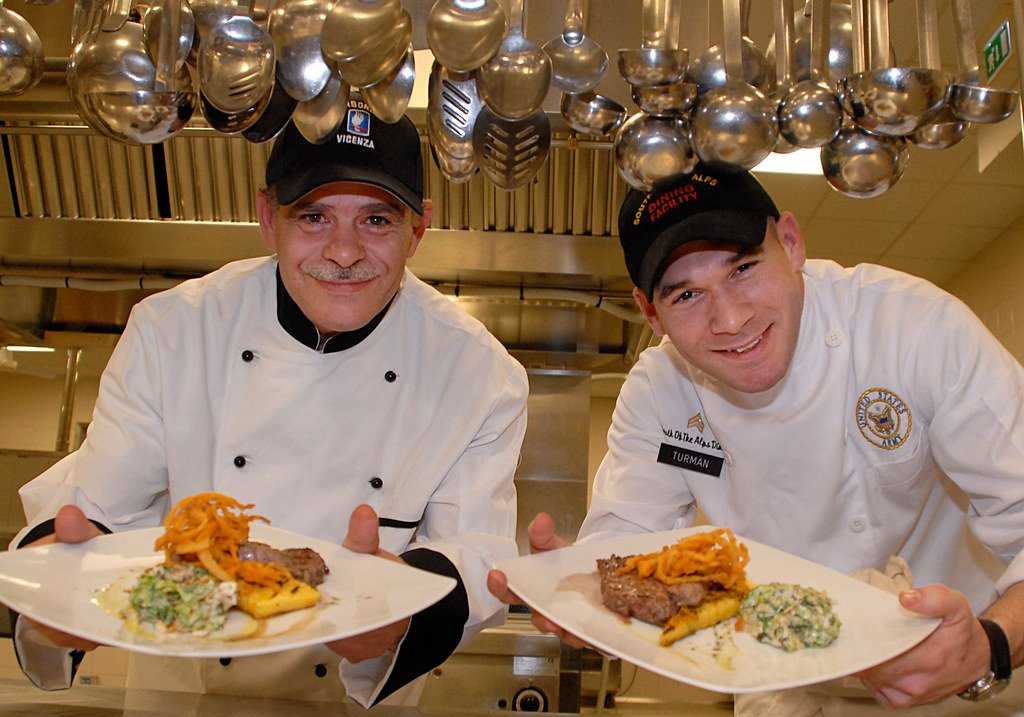
Chefs plate with odd numbers, height, and negative space. The home cook can adopt the same rules using white plates, contrasting colours, and sauces applied last. Warm plates under a low oven keep proteins from cooling whilst you compose.
Build from the centre or slightly off-centre depending on shape. Place the protein as the focal point, anchor with purée or starch, and add height with vertical vegetables or micro herbs. Wipe rim smears with a damp cloth — cleanliness reads as professionalism instantly.
Colour, texture, and temperature
A monochrome plate looks dull regardless of flavour. Add green herbs, red chilli oil, or pickled vegetables for contrast. Combine crunchy elements with silky purées. Serve hot components hot — lukewarm food feels careless even when seasoned perfectly.
Photograph each attempt from diner height, not overhead only. Review what worked and replicate those compositions on busy evenings. When working on plate restaurant-quality meals at home, taste as you go and adjust seasoning in small increments. Break the process into small checkpoints so you can correct mistakes early rather than starting over. If you are new to this, expect a learning curve — most people improve noticeably on the second attempt.
Sources and further reading
Facts, limits, and safety notes in this guide are cross-checked against the references below. Laws, fees, and product guidance change — always confirm details for your region before acting.
Background concepts and terminology
Wikipedia — Plate restaurant-quality meals at home🔧 Troubleshooting
Food looks unappetizing on the plate.
Use contrasting colors to make the dish visually appealing. Incorporate vibrant vegetables or garnishes that complement the main ingredient.
Sauce is pooling on the plate instead of being elegantly presented.
Use a squeeze bottle or spoon to create a clean line or dot of sauce. Consider plating the sauce first and then layering the food on top.
❓ FAQs
Do I need plating tweezers?
Helpful but optional. Clean fingers and small offset spatulas achieve similar precision.
Which plate colour is most versatile?
Matte white or soft grey makes most cuisines pop. Dark slate suits lighter proteins and colourful veg.
What types of sauces work best for plating?
Thicker sauces can be drizzled or smeared on the plate, while lighter sauces can be used for dots or splashes to add visual interest.
How can I create height in my plating?
Layer ingredients vertically, use taller garnishes, or stack components to create an appealing height that draws the eye.
What are some common garnishes to enhance my dishes?
Fresh herbs, microgreens, edible flowers, or citrus zest can add color, texture, and flavor, enhancing the overall presentation.
How do I choose the right plate size for my dish?
Select a plate size that complements the portion of food you are serving. A larger plate can make a small amount of food look sparse, while a smaller plate can make a generous portion feel overwhelming.
What techniques can I use to ensure my food looks fresh and vibrant on the plate?
Use fresh ingredients, avoid overcooking, and consider adding a splash of color with garnishes or sauces to keep the dish looking lively and appealing.
How can I incorporate textures into my plating?
Combine different textures by mixing crispy, creamy, and crunchy elements. This not only enhances the visual appeal but also adds interest to the dining experience.
Know a better way?
Suggest clearer steps, fix mistakes, or add detail you use in practice. Your edit is reviewed before it goes live.
Was this guide helpful?
Guide by How To Library
You might also like
Similar guides based on topic, category, and tags.
How to plan meals for the week without waste
Plan around what is already in the fridge and what your week actually looks like — late meetings need faster dinners than quiet Sundays. Understanding plan meals for the week without waste in a UK context saves costly mistakes — regulations, suppliers, and safety standards differ from other countries. Note what worked in a phone memo so you can repeat the process faster next time.
How to work out tips and split a restaurant bill
Ten to twelve percent is typical for good table service in the UK; fifteen percent for exceptional care. Check whether service is already included on the bill.
What do I need to host an elegant dinner party?
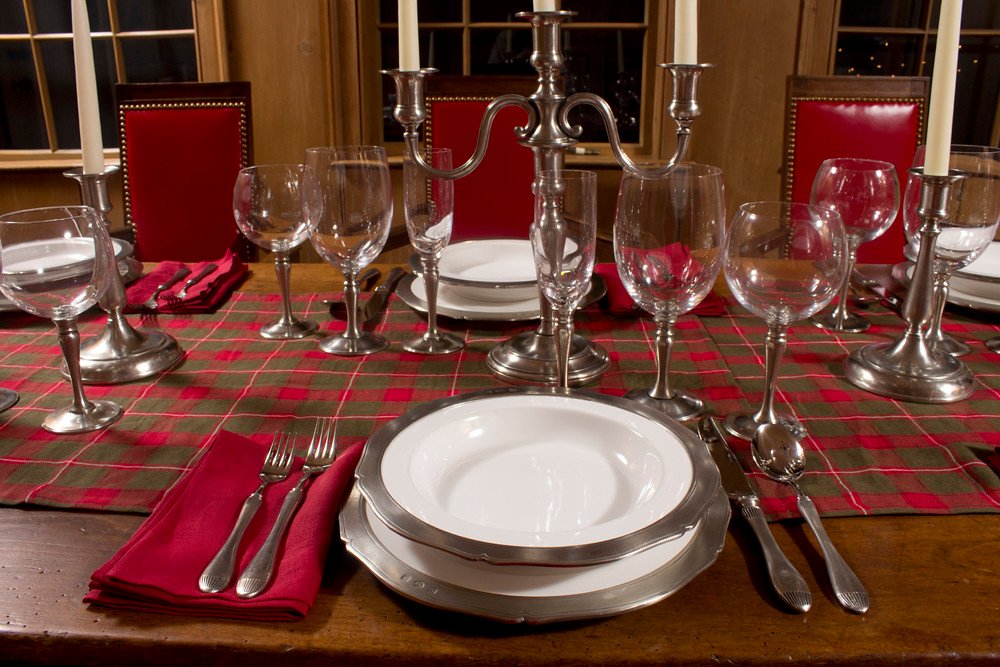
This guide provides practical advice for hosting an elegant dinner party, focusing on menu planning, atmosphere, and enjoying the event.

How do you bake a perfect sourdough loaf?
From starter to steaming crust
How can someone meal prep for a busy week?
Efficient weekly meal preparation

How to convert cups, spoons, and millilitres in recipes
Volume and weight are not interchangeable for dry ingredients — a cup of flour weighs less than a cup of sugar. For liquids, volume conversion is reliable.
Comments
Log in to comment.