

How to Choose Hiking Boots

Quick Summary
Understanding the Importance of Hiking Boots
⚠️ Warnings
Steps
Understanding the Importance of Hiking Boots
Hiking boots are your first line of defence against the elements and rough terrain. Choosing the right pair can prevent injuries and enhance your overall hiking experience. This guide will walk you through the essential aspects to consider when you choose hiking boots. When you choose hiking boots, take your time and follow each step carefully.
Step 1: Determine Your Hiking Style
Before you choose hiking boots, consider the type of hiking you plan to do. Are you trekking on well-maintained trails, or are you planning to tackle rugged terrains? Your hiking style will significantly influence the type of boots you should choose.
Evaluate Your Hiking Environment

Assess the conditions you will be hiking in, such as wet, dry, rocky, or muddy terrains. If you plan to hike in varied environments, consider boots with versatile features.
Know Your Foot Type

Understanding your foot shape is crucial. Measure your foot length and width, and consider any specific needs like arch support. This knowledge will help you find a boot that fits well.
Choose the Right Material

Hiking boots come in various materials, including leather, synthetic, and a combination of both. Leather offers durability and water resistance, while synthetic materials are often lighter and more breathable.
Select the Appropriate Height

Hiking boots are available in low, mid, and high-top styles. Low-cut boots are suitable for day hikes, while mid and high-tops provide added ankle support for challenging terrains.
Consider Waterproofing

If you expect wet conditions, look for waterproof boots. Gore-Tex and similar materials can keep your feet dry, but ensure they also allow for breathability.
Test for Comfort
Always try on hiking boots with the socks you plan to wear. Walk around the store to ensure they fit well, with no pinching or excessive movement. A good fit is crucial to avoid blisters.
Check the Traction
The sole of your hiking boots should provide good traction. Look for boots with deep lugs and rubber soles that grip well on various surfaces.
Break Them In
Once you choose hiking boots, wear them on short walks before your hike. Breaking them in will help prevent blisters and ensure comfort during longer treks.
Learn avoid hypothermia with clear steps, practical tips, and troubleshooting advice tailored for UK readers.
How to avoid hypothermiaLearn build a shelter in the wild with clear steps, practical tips, and troubleshooting advice tailored for UK readers.
How to build a shelter in the wildConclusion
Choosing the right hiking boots is a vital step in preparing for your outdoor adventures. By considering your hiking style, foot type, and the boot's material and fit, you can make an informed decision. Remember, well-chosen hiking boots can significantly enhance your hiking experience.
FAQs
Troubleshooting
Additional Resources
Visit the NHS for health-related information.
NHS Health AdviceRelated guides and resources
Explore related how-to guides on our site, including more in this topic and our most popular tutorials.
Access to clean water is essential when spending time outdoors. This guide will teach you various methods to purify water outdoors, ensuring you stay hydrated and healthy during your adventures.
How to Purify Water OutdoorsNavigating using a compass is an essential skill for outdoor enthusiasts. This guide will provide you with step-by-step instructions on how to effectively use a compass to find your way in the wilderness, ensuring you can explore safely and confidently.
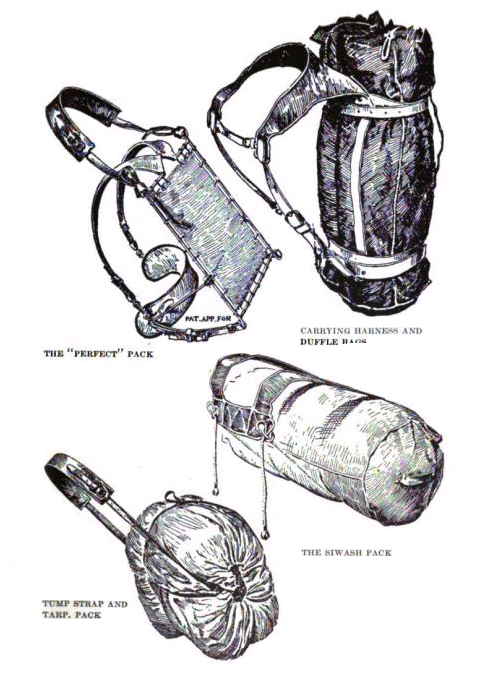
How to Navigate Using a CompassPacking a hiking backpack efficiently is crucial for a successful outdoor adventure. This guide provides practical steps to ensure you pack a hiking backpack correctly, making your hike enjoyable and safe. Learn essential tips and tricks to optimise space and weight distribution.
How to Pack a Hiking BackpackOne of our most-read how-to guides.
How can someone organize a makeup collection?🔧 Troubleshooting
Blisters after wearing boots
Ensure your boots fit properly and are broken in. Consider using blister prevention products like moleskin.
Boots feel too tight
Try a half size up or consider different brands, as sizing can vary.
Boots are too heavy
Look for lighter materials or consider day hiking shoes if you don't need heavy-duty support.
❓ FAQs
What is the best material for hiking boots?
The best material depends on your needs. Leather is durable and water-resistant, while synthetic materials are lighter and more breathable.
How do I know if my hiking boots fit properly?
Your boots should feel snug but not tight, with enough room to wiggle your toes. Walk around to ensure there are no pressure points.
Should I choose high-top or low-top boots?
High-top boots provide more ankle support, making them suitable for rugged terrains, while low-tops are better for well-maintained trails.
How often should I replace my hiking boots?
It depends on usage, but generally, if you notice significant wear or discomfort, it's time to replace them.
Can I waterproof my hiking boots?
Yes, you can apply waterproofing sprays or treatments, but ensure they are compatible with the boot material.
Know a better way?
Suggest clearer steps, fix mistakes, or add detail you use in practice. Your edit is reviewed before it goes live.
Was this guide helpful?
Guide by How To Library
You might also like
Similar guides based on topic, category, and tags.

How to Choose a Sleeping Bag
Understanding Sleeping Bag Types
How to Pack a Hiking Backpack
Understanding Your Hiking Needs

How to Pitch a Tent: A Step-by-Step Guide
Choosing the Right Location

How to Avoid Blisters When Hiking
Understanding Blisters

How to Avoid Insect Bites
Understanding Insect Bites

How to build a shelter in the wild
Introduction
Comments
Log in to comment.