

How to Choose a Sleeping Bag

Quick Summary
Understanding Sleeping Bag Types
⚠️ Warnings
Steps
Understanding Sleeping Bag Types
Sleeping bags come in various types, each designed for different conditions and preferences. The main categories include rectangular, mummy, and semi-rectangular sleeping bags. Understanding the differences will help you choose a sleeping bag that suits your needs. When you choose a sleeping bag, take your time and follow each step carefully. This guide to choose a sleeping bag covers the full process from start to finish.
Consider the Temperature Rating
When choosing a sleeping bag, pay attention to its temperature rating. This rating indicates the lowest temperature at which the bag will keep you warm. For UK camping, a bag rated for at least 0°C is advisable for spring and autumn trips.
Evaluate Insulation Materials
Sleeping bags typically use either down or synthetic insulation. Down bags are lightweight and compressible but can lose their insulating properties when wet. Synthetic bags perform better in damp conditions but may be bulkier. Choose based on your expected weather conditions.
Check the Size and Fit
A sleeping bag should fit snugly without being restrictive. Consider your height and whether you prefer a little extra space or a tighter fit. Many brands offer bags in different lengths, so ensure you select one that accommodates your size.
Look for Additional Features
Features such as hoods, draft collars, and zippers can enhance your sleeping bag's performance. A well-designed hood can keep heat in, while a draft collar prevents cold air from entering. Look for features that suit your camping style.
Set a Budget
Sleeping bags vary widely in price. Determine your budget before shopping, but remember that investing in a quality sleeping bag can significantly enhance your outdoor experience. A good sleeping bag is worth the cost.
Try Before You Buy
If possible, try out the sleeping bag in-store. Lie down in it to check for comfort and fit. This can help you gauge whether the bag meets your expectations before making a purchase.
Care and Maintenance
Proper care can extend the life of your sleeping bag. Always follow the manufacturer's washing instructions and store your bag in a loose, breathable bag rather than compressed. This helps maintain its insulation properties.
Hypothermia is a serious condition that can occur when your body loses heat faster than it can produce it, especially in cold environments. This guide will provide you with essential tips and steps to
How to Avoid HypothermiaLearn build a shelter in the wild with clear steps, practical tips, and troubleshooting advice tailored for UK readers.
How to build a shelter in the wildOfficial UK guidance and safety information.
GOV.UK official guidanceConclusion
Choosing a sleeping bag is a crucial part of preparing for your outdoor adventures. By considering the type, temperature rating, insulation, fit, and features, you can select a bag that will keep you comfortable and warm. Don't forget to check out our guides on how to avoid hypothermia and how to purify water outdoors for a safer camping experience.
What you'll need
Sleeping bag, Sleeping mat
Determine Your Camping Environment

Consider the climate and conditions where you'll be camping. If you're camping in colder months, opt for a sleeping bag with a lower temperature rating. For summer camping, a lighter bag will suffice.
Choose the Right Shape

Select a sleeping bag shape that suits your sleeping style. Mummy bags are great for warmth and compactness, while rectangular bags offer more space but may be less efficient in retaining heat.
Assess Insulation Needs

Decide between down and synthetic insulation based on your expected conditions. If you anticipate wet weather, synthetic may be the better option due to its moisture resistance.
Check the Weight

If you're backpacking, consider the weight of the sleeping bag. Lighter bags are easier to carry, but ensure they still provide adequate warmth for your needs.
Look for Comfort Features

Evaluate additional features like zippers, hoods, and pockets. A sleeping bag with a full-length zipper can be versatile, allowing for ventilation on warmer nights.
Read Reviews
Before making a purchase, read reviews from other users. This can provide insight into the bag's performance in real-world conditions and help you make an informed decision.
Test the Bag
If possible, try the sleeping bag in-store. Lie down in it to ensure it's comfortable and provides the fit you desire. This step can save you from potential discomfort later.
Follow Care Instructions
Once you have your sleeping bag, follow the care instructions carefully. Proper washing and storage will maintain its insulation and prolong its life.
Related guides and resources
Explore related how-to guides on our site, including more in this topic and our most popular tutorials.
Access to clean water is essential when spending time outdoors. This guide will teach you various methods to purify water outdoors, ensuring you stay hydrated and healthy during your adventures.
How to Purify Water OutdoorsNavigating using a compass is an essential skill for outdoor enthusiasts. This guide will provide you with step-by-step instructions on how to effectively use a compass to find your way in the wilderness, ensuring you can explore safely and confidently.
How to Navigate Using a CompassPacking a hiking backpack efficiently is crucial for a successful outdoor adventure. This guide provides practical steps to ensure you pack a hiking backpack correctly, making your hike enjoyable and safe. Learn essential tips and tricks to optimise space and weight distribution.
How to Pack a Hiking BackpackOne of our most-read how-to guides.
How can someone organize a makeup collection?🔧 Troubleshooting
Sleeping bag feels too cold
Check the temperature rating and ensure it matches the conditions. Layering clothing or using a sleeping bag liner can also help.
Sleeping bag is too bulky
If your sleeping bag is too bulky for backpacking, consider a lightweight model or one with compressible insulation for easier transport.
Zipper gets stuck
If the zipper is stuck, gently pull it while applying a bit of lubricant like silicone spray. Avoid forcing it to prevent damage.
❓ FAQs
What temperature rating should I look for in a sleeping bag?
Choose a sleeping bag with a temperature rating suitable for the coldest conditions you expect to encounter. A rating of 0°C is recommended for UK spring and autumn camping.
Is down insulation better than synthetic?
Down insulation is lighter and more compressible, making it ideal for backpacking. However, synthetic insulation performs better in wet conditions, so choose based on your camping environment.
Can I wash my sleeping bag?
Yes, but always follow the manufacturer's care instructions. Most sleeping bags can be machine washed on a gentle cycle, but it's best to air dry them.
How do I store my sleeping bag?
Store your sleeping bag in a loose, breathable bag rather than compressed. This helps maintain its loft and insulation properties.
What should I do if my sleeping bag is too small?
If your sleeping bag feels too cramped, consider investing in a larger size or a rectangular bag for more space. Ensure it still provides adequate warmth.
Know a better way?
Suggest clearer steps, fix mistakes, or add detail you use in practice. Your edit is reviewed before it goes live.
Was this guide helpful?
Guide by How To Library
You might also like
Similar guides based on topic, category, and tags.

How to Choose Hiking Boots
Understanding the Importance of Hiking Boots
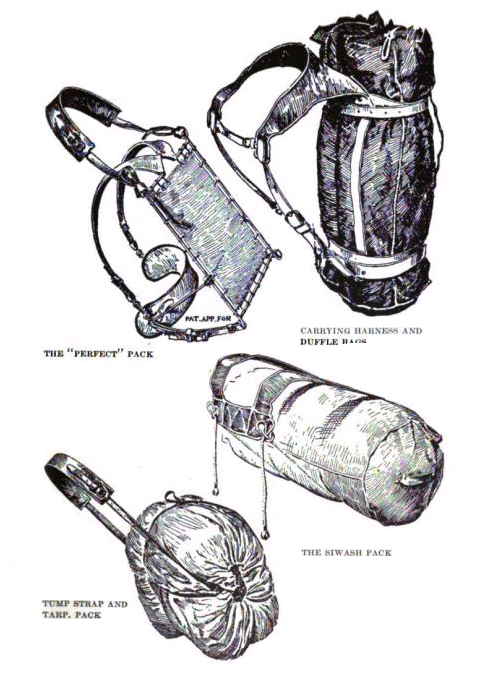
How to Pack a Hiking Backpack
Understanding Your Hiking Needs

How to Store Food While Camping
Understanding the Importance of Food Storage
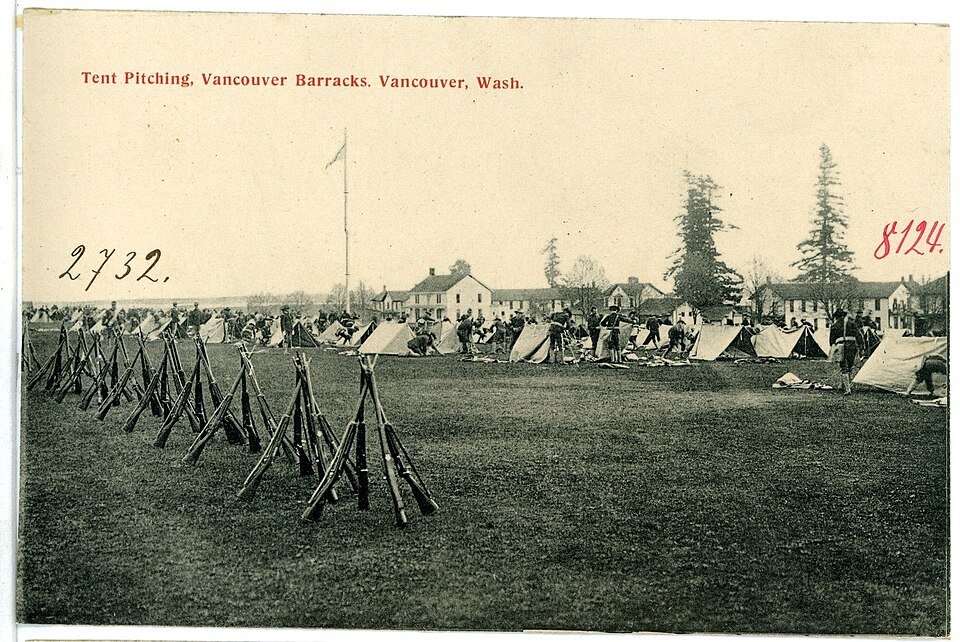
How to Pitch a Tent: A Step-by-Step Guide
Choosing the Right Location
How to Avoid Insect Bites
Understanding Insect Bites

How to build a shelter in the wild
Introduction
Comments
Log in to comment.