

How to Avoid Insect Bites
Quick Summary
Understanding Insect Bites
⚠️ Warnings
Steps
Understanding Insect Bites
Insects such as mosquitoes, ticks, and wasps can pose a threat to outdoor enthusiasts. Understanding the types of insects that are prevalent in your area and their behaviour can help you take effective measures to avoid bites. This guide will help you learn how to avoid insect bites and enjoy your time outside. When you avoid insect bites, take your time and follow each step carefully.
Preparation Before Heading Outdoors
Choose Appropriate Clothing

Wear long sleeves, long trousers, and closed shoes to minimise exposed skin. Light-coloured clothing can help you spot insects more easily. Consider treating your clothing with permethrin, an insect-repelling agent, for added protection.
Use Insect Repellent

Apply a suitable insect repellent on exposed skin, focusing on areas like your neck, wrists, and ankles. Look for products containing DEET, picaridin, or oil of lemon eucalyptus. Reapply as directed, especially if you're sweating or after swimming.
Avoid Scented Products

Refrain from using heavily scented lotions, perfumes, or hair products when spending time outdoors. These scents can attract insects. Opt for unscented or lightly scented alternatives to reduce your risk of bites.
Plan Activities Wisely

Try to avoid outdoor activities during peak insect activity times, typically dawn and dusk. If you must be outside during these times, ensure you are well-protected with clothing and repellent.
Creating a Safe Outdoor Environment
Choose Your Location Wisely

Select camping or picnic spots away from stagnant water, as these areas attract mosquitoes. Look for open, breezy locations where insects are less likely to linger.
Keep Food Covered
Insects are often attracted to food. Keep all food covered and dispose of waste properly. Use sealed containers and clean up spills immediately to avoid attracting insects.
Use Natural Barriers
Consider using natural barriers like citronella candles or essential oils such as lavender and eucalyptus around your area. These can help deter insects without the use of harsh chemicals.
What to Do If You Get Bitten
Treat the Bite Promptly
If you do get bitten, wash the area with soap and water to reduce the risk of infection. Apply a cold compress to alleviate swelling and discomfort. Over-the-counter antihistamines can help relieve itching.
Monitor for Allergic Reactions
Be aware of any unusual symptoms following a bite, such as swelling beyond the bite area, difficulty breathing, or dizziness. If these occur, seek medical attention immediately.
Conclusion
By following these tips on how to avoid insect bites, you can significantly reduce your chances of discomfort during outdoor activities. Remember to prepare adequately, create a safe environment, and know how to treat bites if they occur. Enjoy your adventures in nature!
FAQs
Troubleshooting
Additional Resources
Essential tips to prevent hypothermia while enjoying the outdoors.
How to Avoid HypothermiaLearn how to build a shelter in the wild with practical steps.
How to Build a Shelter in the WildFor more health-related information and advice.
NHS Health InformationRelated guides and resources
Explore related how-to guides on our site, including more in this topic and our most popular tutorials.
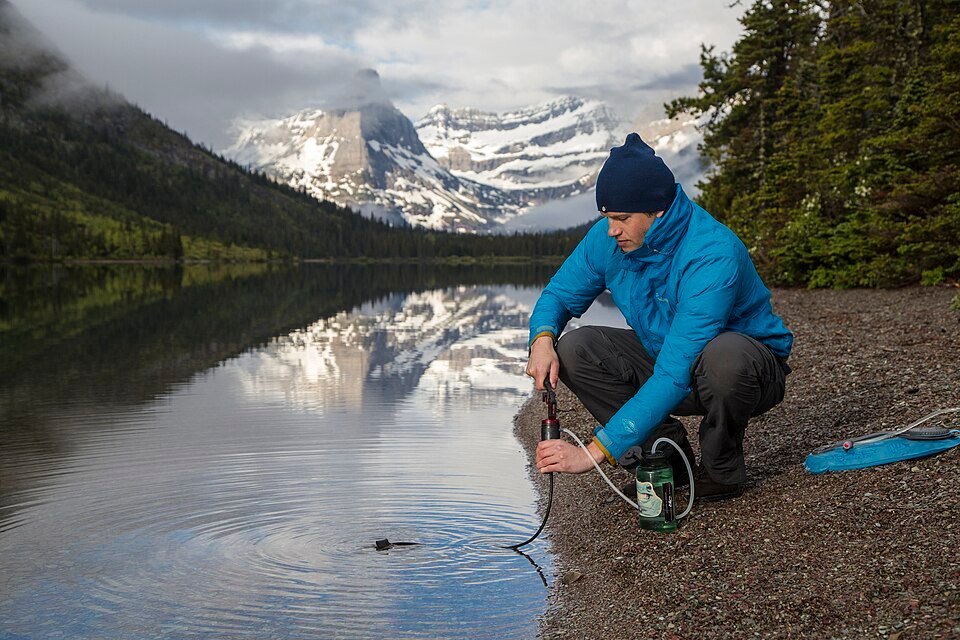
Access to clean water is essential when spending time outdoors. This guide will teach you various methods to purify water outdoors, ensuring you stay hydrated and healthy during your adventures.
How to Purify Water OutdoorsNavigating using a compass is an essential skill for outdoor enthusiasts. This guide will provide you with step-by-step instructions on how to effectively use a compass to find your way in the wilderness, ensuring you can explore safely and confidently.
How to Navigate Using a CompassPacking a hiking backpack efficiently is crucial for a successful outdoor adventure. This guide provides practical steps to ensure you pack a hiking backpack correctly, making your hike enjoyable and safe. Learn essential tips and tricks to optimise space and weight distribution.
How to Pack a Hiking BackpackOne of our most-read how-to guides.
How can someone organize a makeup collection?❓ FAQs
What types of insects should I be most concerned about?
In the UK, mosquitoes, ticks, and wasps are common pests. Mosquitoes are prevalent in warmer months, while ticks can be found in grassy or wooded areas. Wasps are typically more aggressive in late summer.
How often should I reapply insect repellent?
Reapply insect repellent every few hours, especially if you are sweating or after swimming. Always follow the instructions on the product label for best results.
Are natural repellents effective?
Natural repellents can be effective, but they may not provide the same level of protection as chemical repellents. Essential oils like citronella and eucalyptus can help, but reapplication may be necessary.
What should I do if I have an allergic reaction to a bite?
If you experience severe symptoms such as swelling beyond the bite area, difficulty breathing, or dizziness, seek medical attention immediately. Carrying an antihistamine can help manage mild reactions.
Can I prevent ticks from biting me?
To prevent tick bites, wear long sleeves and trousers, use insect repellent, and check your body for ticks after being in wooded or grassy areas. Showering soon after outdoor activities can also help.
What clothing is best to wear to prevent insect bites?
Wear light-colored, long-sleeved shirts and long pants to minimize skin exposure. Tightly woven fabrics can also help deter insects. Consider treating clothing with permethrin for added protection.
Are there specific times of day when insects are more active?
Yes, many insects, especially mosquitoes, are more active during dawn and dusk. Plan outdoor activities during the middle of the day when insect activity is typically lower.
How can I make my yard less attractive to insects?
To reduce insect presence in your yard, eliminate standing water, keep grass trimmed, and remove debris or dense vegetation where insects can hide. Planting insect-repelling plants like marigolds or lavender can also help.
Know a better way?
Suggest clearer steps, fix mistakes, or add detail you use in practice. Your edit is reviewed before it goes live.
Was this guide helpful?
Guide by How To Library
You might also like
Similar guides based on topic, category, and tags.
How to Pitch a Tent: A Step-by-Step Guide
Choosing the Right Location
How to Avoid Blisters When Hiking
Understanding Blisters

How to build a shelter in the wild
Introduction
How to Tie Essential Survival Knots
Introduction to Survival Knots

How to Identify Edible Plants
Understanding Edible Plants
How to Purify Water Outdoors
Understanding the Importance of Water Purification
Comments
Log in to comment.