

How to estimate paint for a room

Quick Summary
Floor area is a starting point. Walls add height multiplication; our calculator gives a floor-based paint hint for small touch-up jobs. Understanding estimate paint for a room in a UK context saves costly mistakes — regulations, suppliers, and safety standards differ from other countries. Note what worked in a phone memo so you can repeat the process faster next time.
⚠️ Warnings
Steps
Floor area is a starting point. Walls add height multiplication; our calculator gives a floor-based paint hint for small touch-up jobs. Understanding estimate paint for a room in a UK context saves costly mistakes — regulations, suppliers, and safety standards differ from other countries. Note what worked in a phone memo so you can repeat the process faster next time.
Enter length, width, and number of coats.
Calculate room areaAdd ten percent waste

Cutting in, textured surfaces, and roller absorption use more than the tin suggests. Work steadily through this part of estimate paint for a room, pausing to double-check your work against the goal before moving on — most mistakes are caught when you slow down at transitions between stages. Note what worked in a phone memo so you can repeat the process faster next time.
🔧 Troubleshooting
Paint coverage is less than expected after applying the first coat.
Ensure that you are using the correct type of paint for the surface and that you are applying it at the recommended thickness. Check if the surface is porous or has not been properly prepped, as this can absorb more paint than anticipated.
You have calculated the paint needed but still run out before finishing the room.
Double-check your measurements and calculations, including the height and width of the walls, as well as any doors and windows that reduce the total area. Consider adding an extra 10-15% to your total estimate to account for touch-ups and errors.
❓ FAQs
How do I measure the walls of a room for painting?
To measure the walls, use a tape measure to find the height and width of each wall. Multiply the height by the width to get the area of each wall, then add the areas together for the total wall area.
How do I calculate the amount of paint needed for multiple coats?
If you plan to apply multiple coats, multiply the total wall area by the number of coats you intend to apply. Then divide that number by the coverage provided by the paint (usually listed on the paint can) to find out how many gallons you need.
What factors should I consider for paint waste?
Consider factors such as the texture of the walls, the method of application (brush, roller, spray), and any areas that will not be painted (windows, doors). A general rule of thumb is to add an extra 10% to your total paint estimate to account for waste.
How do I account for windows and doors when estimating paint?
Measure the area of windows and doors and subtract that from the total wall area before calculating the paint needed. This will give you a more accurate estimate.
What type of paint should I choose for different rooms?
For high-moisture areas like bathrooms, consider using a mildew-resistant paint. For kitchens, a washable paint is ideal. Living rooms and bedrooms can use standard latex paint, while accent walls might benefit from a satin or semi-gloss finish.
Was this guide helpful?
Guide by David Okonkwo
Quantity surveyor and DIY enthusiast. Writes about measurements, conversions, and project planning for home renovations and everyday tasks.
You might also like
Similar guides based on topic, category, and tags.
How to estimate fuel cost before a long drive
Fuel cost catches people out on holidays and when comparing train versus car travel. Your official MPG figure is optimistic; real-world driving is usually lower.

Moving into your first rental flat
The inventory is your evidence at move-out. If damage is not recorded when you arrive, you may be charged later. Understanding moving into my first rental flat in a UK context saves costly mistakes — regulations, suppliers, and safety standards differ from other countries. Note what worked in a phone memo so you can repeat the process faster next time.

Monthly car checks every driver should do
Modern cars are reliable, but tyres, fluids, and bulbs still need human attention. These checks are safe for beginners — no tools beyond a tyre gauge.

How to change a flat tyre safely at the roadside
Never attempt a tyre change on a motorway hard shoulder — use breakdown cover. On a quiet side road, level ground and a visible position matter more than speed.

Why every household needs an emergency contact list
Stick a copy on the fridge and save a photo on your phone. Update after every move or supplier switch. Understanding why every household needs an emergency contact list in a UK context saves costly mistakes — regulations, suppliers, and safety standards differ from other countries. Note what worked in a phone memo so you can repeat the process faster next time.
How to jump-start a car safely
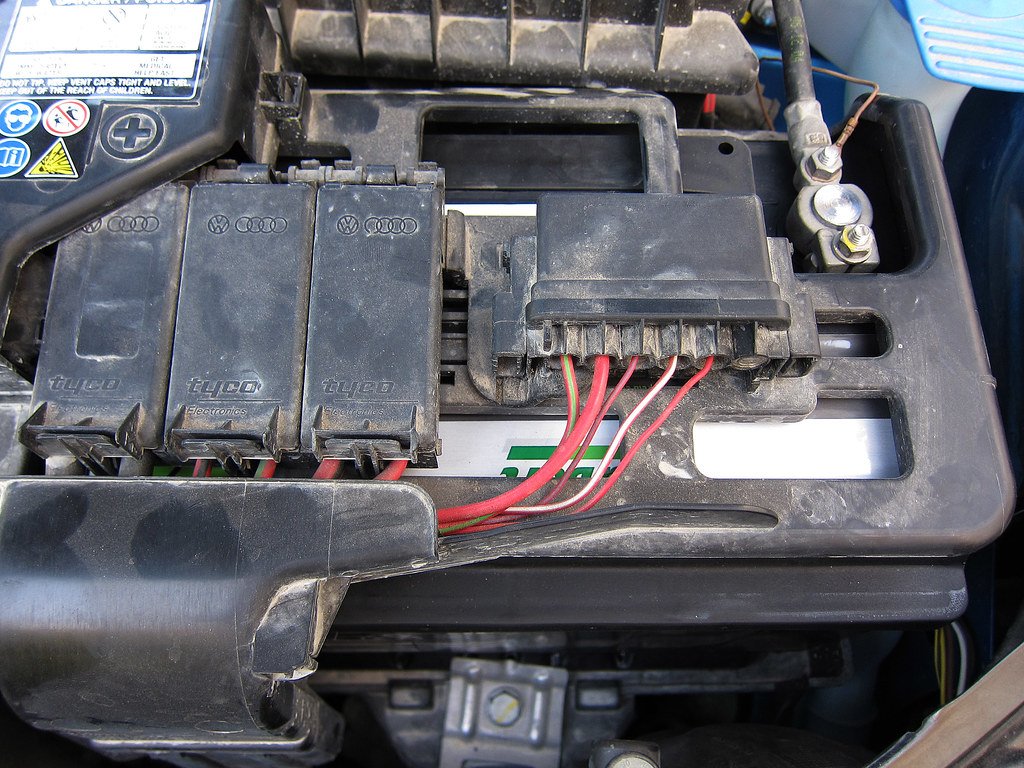
Modern cars have sensitive electronics — follow clamp order exactly and never cross positive to negative on the dead battery. Understanding jump-start a car safely in a UK context saves costly mistakes — regulations, suppliers, and safety standards differ from other countries. Note what worked in a phone memo so you can repeat the process faster next time.
Comments
Log in to comment.