

How to scale recipe servings up or down

Quick Summary
Linear scaling works for most savoury dishes. Baking is less forgiving — leavening and pan size matter as much as ratios. Understanding scale recipe servings up or down in a UK context saves costly mistakes — regulations, suppliers, and safety standards differ from other countries. Note what worked in a phone memo so you can repeat the process faster next time.
⚠️ Warnings
Steps
Linear scaling works for most savoury dishes. Baking is less forgiving — leavening and pan size matter as much as ratios. Understanding scale recipe servings up or down in a UK context saves costly mistakes — regulations, suppliers, and safety standards differ from other countries. Note what worked in a phone memo so you can repeat the process faster next time.
Enter original and new servings plus one ingredient amount.
Open the recipe scalerRound sensibly

You cannot measure half an egg easily — round to practical amounts and adjust at the end with salt or acid. Work steadily through this part of scale recipe servings up or down, pausing to double-check your work against the goal before moving on — most mistakes are caught when you slow down at transitions between stages. Note what worked in a phone memo so you can repeat the process faster next time.
🔧 Troubleshooting
The scaled recipe doesn't taste the same as the original.
When scaling recipes, especially for spices and seasonings, start with a smaller proportion than the calculated amount and adjust to taste. Some ingredients, like salt and spices, can have a stronger impact when used in larger quantities.
Baked goods don't rise properly after scaling the recipe.
Baking is a science, and scaling can affect the chemical reactions. Instead of scaling all ingredients directly, consider using a recipe conversion calculator or adjusting only the main ingredients (like flour and liquid) while keeping ratios for leavening agents (baking powder, baking soda) consistent.
Was this guide helpful?
Guide by Elena Rossi
Chef and recipe developer. Trained in Rome and London kitchens — now focuses on teaching home cooks measurement, prep systems, and weeknight meal planning.
You might also like
Similar guides based on topic, category, and tags.

How to brew pour-over coffee at home
Water just off the boil (around 94°C) extracts without burning. A gooseneck kettle improves pour control but a standard kettle works with slower pours.
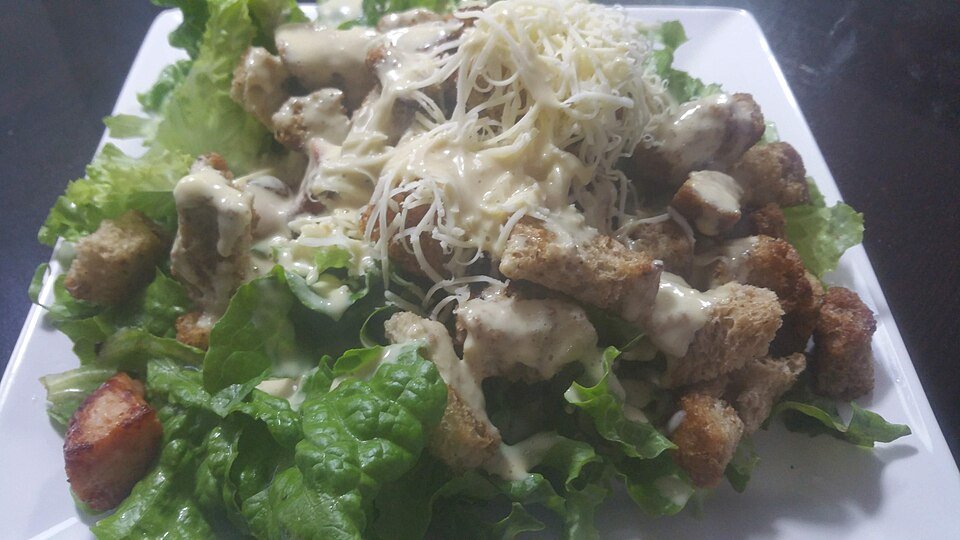
How to Make Chicken Caesar Salad
About this dish
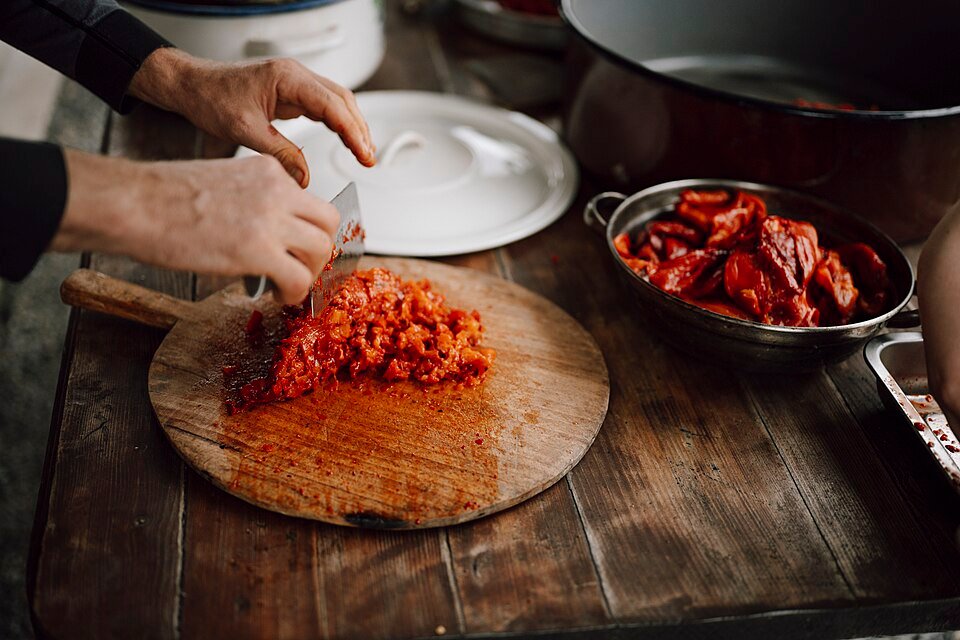
How to Make Guacamole
About this dish
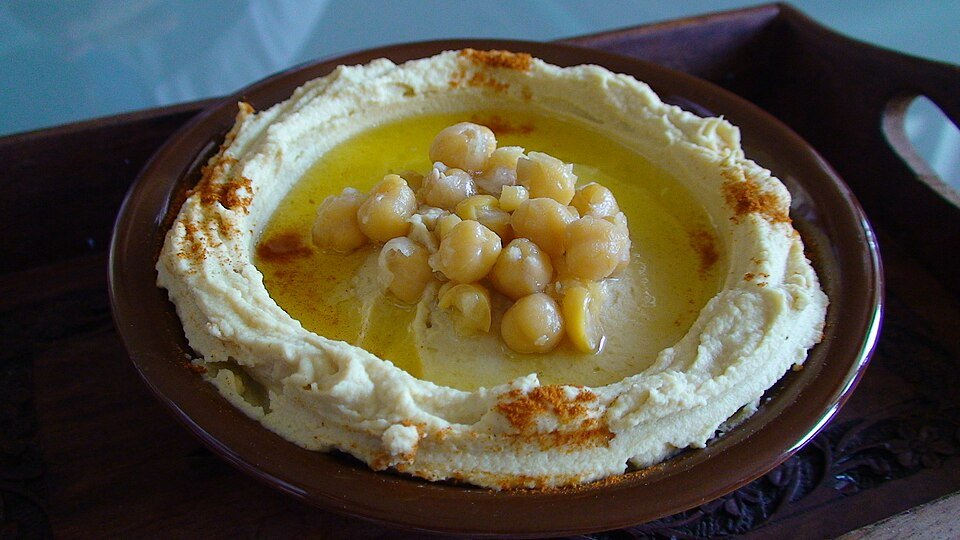
How to Make Hummus
About this dish

How to Make Fluffy Pancakes
About this dish
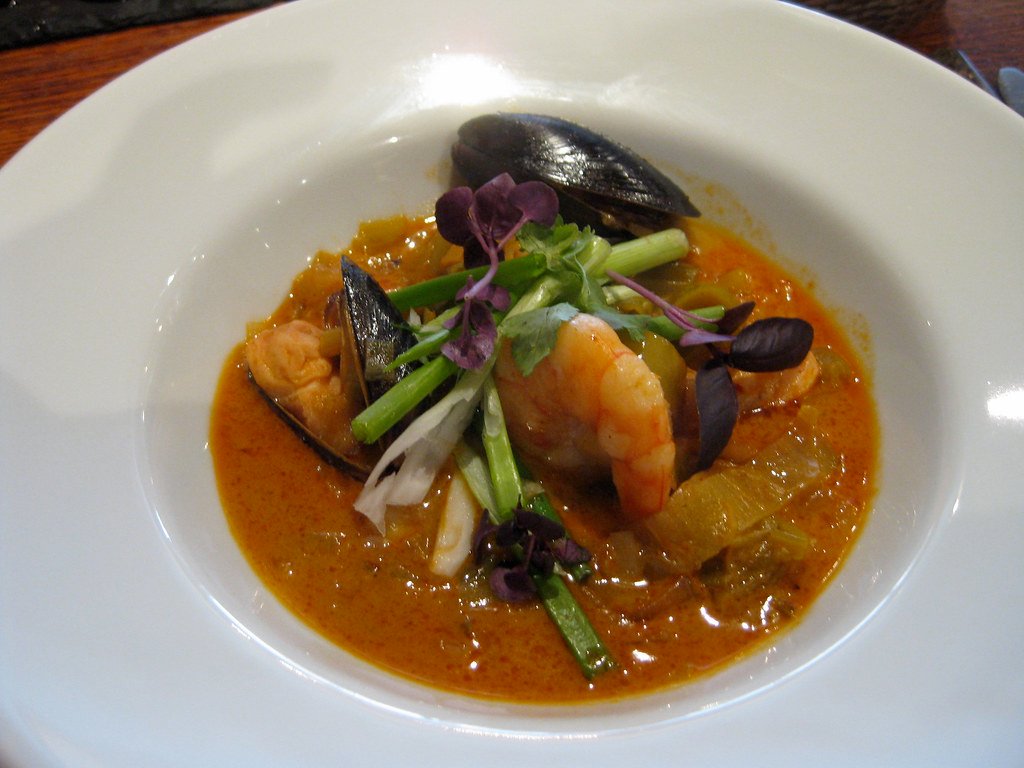
How to Make Thai Green Curry
About this dish
Comments
Log in to comment.