

Step 1: Assess Indoor Humidity
Quick Summary
Understanding Condensation
⚠️ Warnings
Steps
Understanding Condensation
Condensation occurs when warm, moist air comes into contact with a cold surface, such as a window. This can lead to water droplets forming, which may eventually cause mould and damage your window frames. Understanding how to stop condensation on windows is crucial for maintaining a healthy home.
Why Condensation Happens
Several factors contribute to condensation, including high indoor humidity, poor ventilation, and temperature differences between indoor and outdoor environments. Identifying the root cause is essential to effectively stop condensation on windows.
Tools You Will Need
What you'll need
Dehumidifier, Moisture meter
Step 1: Assess Indoor Humidity

Use a moisture meter to check the humidity levels in your home. Ideally, indoor humidity should be between 30-50%. If levels are higher, you may need to take action to reduce moisture.
Step 2: Improve Ventilation

Open windows regularly to allow fresh air to circulate. Consider installing trickle vents or using extractor fans in areas like kitchens and bathrooms to help reduce humidity.
Step 3: Use a Dehumidifier

If humidity levels remain high, consider using a dehumidifier. This device helps remove excess moisture from the air, making it easier to stop condensation on windows.
Step 4: Insulate Windows

Adding thermal curtains or window insulation film can help keep the interior glass warmer, reducing the likelihood of condensation forming. This is a simple yet effective way to manage window moisture.
Step 5: Maintain Consistent Temperatures

Try to keep your home at a consistent temperature, especially during colder months. Fluctuating temperatures can lead to increased condensation on windows.
Step 6: Check for Leaks
Inspect your windows and frames for any leaks or drafts. Sealing these gaps with weatherstripping or caulk can help prevent cold air from entering and warm air from escaping.
Step 7: Limit Indoor Drying
Avoid drying clothes indoors, as this can significantly increase humidity levels. If you must dry clothes inside, use a room with good ventilation and keep windows open.
Step 8: Regular Cleaning
Keep window frames and sills clean and dry. Regularly wipe away any condensation that forms to prevent mould growth and maintain a healthy environment.
Learn silence a noisy extractor fan with clear steps, practical tips, and troubleshooting advice tailored for UK readers.
How to silence a noisy extractor fanCleaning oven glass can be a straightforward task that enhances your kitchen's appearance. With the right methods and tools, you can achieve sparkling results in no time. This guide provides step-by-s
How to Clean Oven GlassConclusion
By following these steps, you can effectively stop condensation on windows and create a more comfortable living space. Remember that maintaining proper ventilation and humidity levels is key to preventing future issues.
FAQs
Troubleshooting
Additional Resources
Visit the NHS for health-related information.
NHS Health AdviceFinal Thoughts
Taking proactive steps to stop condensation on windows will not only enhance your comfort but also protect your home from potential damage. Regular maintenance and attention to humidity levels are key.
Related guides and resources
Explore related how-to guides on our site, including more in this topic and our most popular tutorials.
A leaking tap can be a frustrating issue, leading to wasted water and increased bills. This guide will walk you through the steps to fix a leaking tap, helping you save money and prevent further damage. With the right tools and a bit of patience, you'll have your tap working like new in no time.
How to Fix a Leaking TapLearn paint a room professionally with clear steps, practical tips, and troubleshooting advice tailored for UK readers.
How to paint a room professionallyHanging a shelf straight can transform your space, providing both functionality and aesthetic appeal. This guide will walk you through the steps to ensure your shelf is perfectly level, along with tips and tools to make the process easier.
How to Hang a Shelf StraightOne of our most-read how-to guides.
How can someone organize a makeup collection?🔧 Troubleshooting
Persistent condensation despite using a dehumidifier
Check if the dehumidifier is appropriately sized for your space and ensure it is functioning correctly.
Mould growth around windows
Clean the affected areas with a mould remover and improve ventilation to prevent future growth.
Cold drafts around windows
Inspect for gaps and apply weatherstripping or caulk to seal leaks.
High indoor humidity causing condensation on windows
Use a dehumidifier to reduce moisture levels in the air. Ensure proper ventilation in areas like kitchens and bathrooms.
Low indoor humidity leading to dry air and discomfort
Use a humidifier to increase moisture levels. Place bowls of water near heating sources to naturally humidify the air.
❓ FAQs
What causes condensation on windows?
Condensation is caused by warm, moist air meeting cold surfaces. High indoor humidity and poor ventilation can exacerbate the issue.
How can I reduce humidity in my home?
You can reduce humidity by using a dehumidifier, improving ventilation, and avoiding indoor drying of clothes.
Is condensation on windows harmful?
While condensation itself is not harmful, it can lead to mould growth, which can affect indoor air quality and health.
When should I call a professional?
If you notice persistent condensation despite taking measures, or if you suspect structural issues, it's best to consult a qualified professional.
Can I use a fan to stop condensation?
Yes, using fans can help improve air circulation and reduce humidity, especially in areas prone to condensation.
What is the ideal indoor humidity level for a home?
The ideal indoor humidity level is typically between 30% and 50%. Maintaining this range can help prevent condensation and improve comfort.
How does temperature affect indoor humidity levels?
Warmer air can hold more moisture than cooler air, so as temperatures drop, humidity levels can rise, leading to condensation on cold surfaces.
What are some signs of high indoor humidity?
Signs of high indoor humidity include condensation on windows, musty odors, dampness in walls or ceilings, and visible mould growth.
Know a better way?
Suggest clearer steps, fix mistakes, or add detail you use in practice. Your edit is reviewed before it goes live.
Was this guide helpful?
Guide by How To Library
You might also like
Similar guides based on topic, category, and tags.

How to Fix a Squeaky Door
Introduction
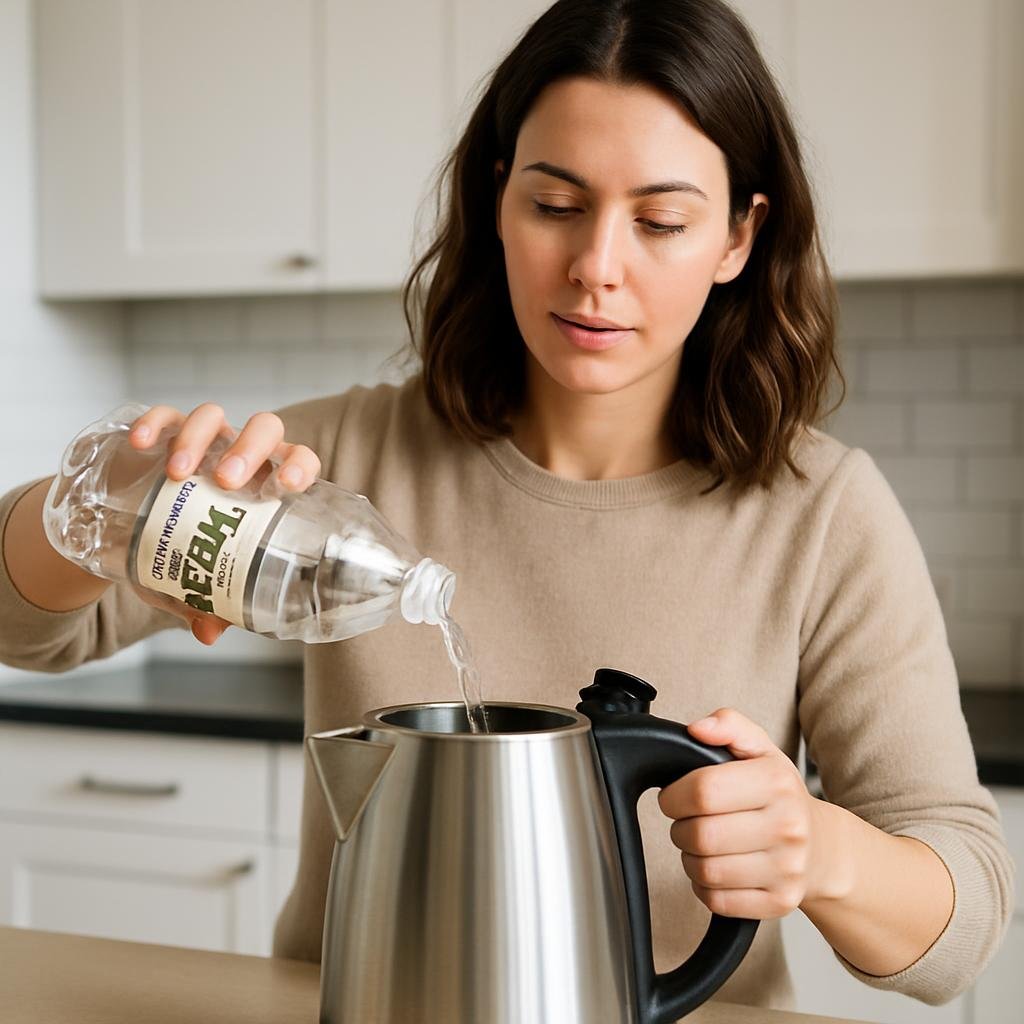
How to descale a kettle naturally
Descaling a kettle naturally is simple and effective.
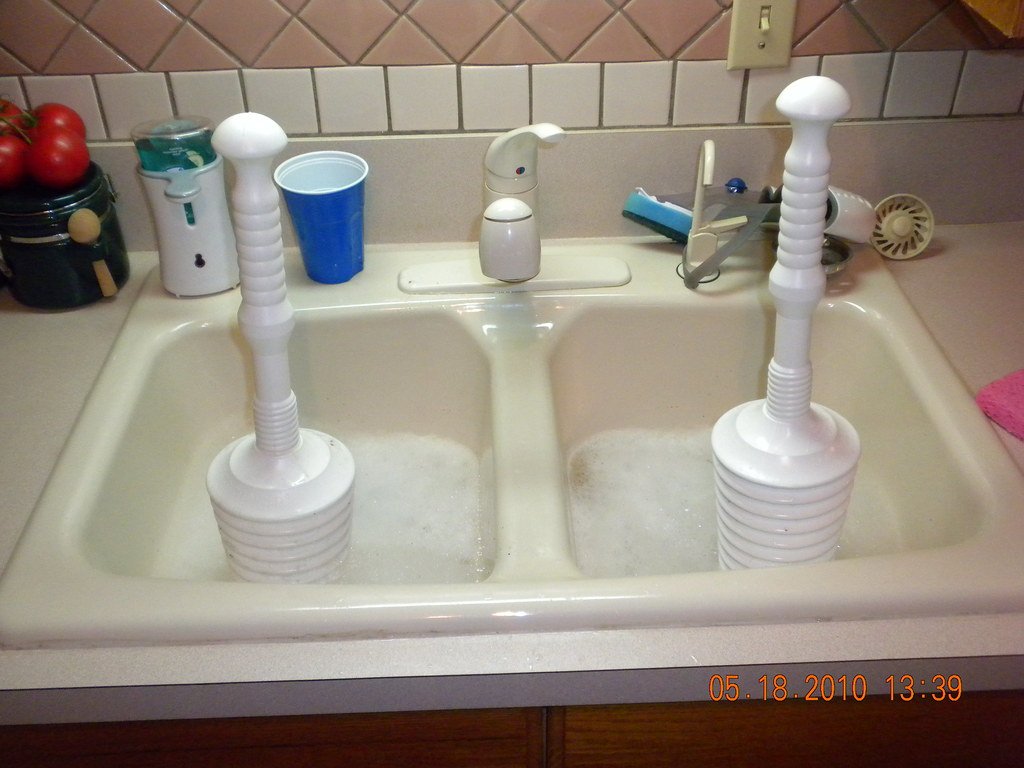
How to unblock a sink without damaging pipes
Chemical drain cleaners can melt plastic traps and burn skin. Mechanical methods first. Understanding unblock a sink without damaging pipes in a UK context saves costly mistakes — regulations, suppliers, and safety standards differ from other countries. For structural work, confirm whether Building Regulations approval is needed via your local council website.

How to Jump Start a Car
Understanding Jump Starting

How to fix phone not charging
How to Fix an iPhone Not Charging

How to Reduce Stress Quickly
Understanding Stress
Comments
Log in to comment.