

When should I read food labels like a nutritionist?

⚠️ Warnings
Article
Cutting through marketing noise
When it comes to when should i read food labels, uK labels must show nutrition per 100 g and often per portion. Traffic light colours summarise fat, saturates, sugar, and salt — green is low, amber moderate, red high per official thresholds. Compare 100 g values when package sizes differ; a small portion can hide alarming totals.
Ingredients list by descending weight. If sugar appears under multiple names — glucose syrup, dextrose, honey — the combined sweetness may top the list effectively. "Wholegrain" needs whole grains first; beige breads coloured with malt are imposters.
Claims worth scepticism
"Natural", "farm fresh", and "artisan" lack legal definitions in many contexts. "Light" refers to fat or calories reduced by thirty percent versus a standard product, not virtuous eating. Organic certification means production standards, not automatically fewer calories.
Allergen bolding is mandatory in the UK — scan for milk, gluten, nuts, and sulphites if you or guests have sensitivities. May contain traces warnings reflect cross-contact risk in factories, not ingredients.
Build a shortlist of brands that consistently score green on your priorities. Routine shopping becomes faster when you stop re-reading every label. When working on read food labels like a nutritionist, taste as you go and adjust seasoning in small increments. Break the process into small checkpoints so you can correct mistakes early rather than starting over. If you are new to this, expect a learning curve — most people improve noticeably on the second attempt.
Sources and further reading
Facts, limits, and safety notes in this guide are cross-checked against the references below. Laws, fees, and product guidance change — always confirm details for your region before acting.
Background concepts and terminology
Wikipedia — Read food labels like a nutritionist🔧 Troubleshooting
Confusion over ingredient order on food labels.
Ingredients are listed in descending order by weight. If a product lists sugar or unhealthy fats as one of the first few ingredients, it's a sign to be cautious about the overall healthiness of the product.
Misleading health claims on packaging.
Look for third-party certifications or nutritional facts rather than relying solely on health claims. Claims like 'low-fat' or 'sugar-free' can be misleading, so always check the nutrition label for the full picture.
Confusion over ingredient order on food labels.
Ingredients are listed in descending order by weight. If the first ingredient is a sugar or unhealthy fat, consider choosing a different product.
Misleading health claims on packaging.
Look for specific nutritional information rather than relying solely on health claims. Check the nutrition facts panel for details on calories, sugars, and fats to make an informed decision.
❓ FAQs
Are traffic lights mandatory?
Voluntary in the UK though most major retailers use them. EU-style RI reference intakes appear alongside.
Is coconut oil healthier than butter?
Both are high in saturates. Judge by overall dietary pattern, not single hero ingredients.
How can I tell if a product is truly healthy based on its label?
Look for whole ingredients with minimal processing, check for added sugars and unhealthy fats, and consider the overall nutritional profile rather than just health claims.
What does 'natural' mean on food labels?
'Natural' is not a regulated term, so it can vary by brand. Always check the ingredient list for clarity and avoid products with artificial additives.
Should I trust health claims like 'low fat' or 'sugar-free'?
Be skeptical of health claims as they can be misleading. Always read the full label to understand what 'low fat' or 'sugar-free' really means in terms of other ingredients.
What should I look for in the ingredient list?
Focus on short ingredient lists with recognizable items. Ingredients are listed in order of quantity, so the first few should be whole foods or minimally processed.
How do I interpret serving sizes on nutrition labels?
Serving sizes can be misleading as they may not reflect how much people typically eat. Compare the serving size to your own portion and adjust the nutritional information accordingly.
Are organic products always healthier?
Not necessarily. Organic products can still be high in sugars, fats, or calories. Always evaluate the nutritional content rather than relying solely on the organic label.
Know a better way?
Suggest clearer steps, fix mistakes, or add detail you use in practice. Your edit is reviewed before it goes live.
Was this guide helpful?
Guide by How To Library
You might also like
Similar guides based on topic, category, and tags.

How do I master knife skills for everyday cooking?
This guide helps you master knife skills for everyday cooking, transforming meal prep into a joyful experience. It covers essential cuts, proper grips, and maintenance habits used by professional chefs. Published on HowToLibrary. Key points: Essential cuts to practise; This guide helps you master knife skills for everyday cooking, transforming meal prep into a joyful experience; It covers essential cuts, proper grips, and maintenance habits used by professional chefs; Covers food blogs. Source: HowToLibrary · Food blogs · ~60 min read. Key points: Essential cuts to practise; This guide helps you master knife skills for everyday cooking, transforming meal prep into a joyful experience; It covers essential cuts, proper grips, and maintenance habits used by professional chefs; Published on HowToLibrary. Source: HowToLibrary · Food blogs · ~60 min read.
How does it work to build flavour with spices and herbs?
Build flavour with spices and herbs — this article explains how does it work to build — including food blogs. Spices are not just heat — they layer aroma, colour, and depth when toasted, bloomed, and balanced correctly. This guide demystifies building masalas, herb bouquets, and seasoning timelines for British pantries. Published on HowToLibrary. Key points: Regional building blocks worth mastering; Spices are not just heat — they layer aroma, colour, and depth when toasted, bloomed, and balanced correctly; This guide demystifies building masalas, herb bouquets, and seasoning timelines for British pantries; Covers food blogs. Source: HowToLibrary · Food blogs · ~35 min read. Key points: Regional building blocks worth mastering; Build flavour with spices and herbs — this article explains how does it work to build — including food blogs; Spices are not just heat — they layer aroma, colour, and depth when toasted, bloomed, and balanced correctly; This guide demystifies building masalas, herb bouquets, and seasoning timelines for British pantries. Source: HowToLibrary · Food blogs · ~35 min read. Key points: Regional building blocks worth mastering; Build flavour with spices and herbs — this article explains how does it work to build — including food blogs; Spices are not just heat — they layer aroma, colour, and depth when toasted, bloomed, and balanced correctly; This guide demystifies building masalas, herb bouquets, and seasoning timelines for British pantries. Source: HowToLibrary · Food blogs · ~35 min read. Key points: Regional building blocks worth mastering; Build flavour with spices and herbs — this article explains how does it work to build — including food blogs; Spices are not just heat — they layer aroma, colour, and depth when toasted, bloomed, and balanced correctly; This guide demystifies building masalas, herb bouquets, and seasoning timelines for British pantries. Source: HowToLibrary · Food blogs · ~35 min read. Key points: Regional building blocks worth mastering; Build flavour with spices and herbs — this article explains how does it work to build — including food blogs; Spices are not just heat — they layer aroma, colour, and depth when toasted, bloomed, and balanced correctly; This guide demystifies building masalas, herb bouquets, and seasoning timelines for British pantries. Source: HowToLibrary · Food blogs · ~35 min read. Key points: Regional building blocks worth mastering; Build flavour with spices and herbs — this article explains how does it work to build — including food blogs; Spices are not just heat — they layer aroma, colour, and depth when toasted, bloomed, and balanced correctly; This guide demystifies building masalas, herb bouquets, and seasoning timelines for British pantries. Source: HowToLibrary · Food blogs · ~35 min read. Key points: Regional building blocks worth mastering; Build flavour with spices and herbs — this article explains how does it work to build — including food blogs; Spices are not just heat — they layer aroma, colour, and depth when toasted, bloomed, and balanced correctly; This guide demystifies building masalas, herb bouquets, and seasoning timelines for British pantries. Source: HowToLibrary · Food blogs · ~35 min read. Key points: Regional building blocks worth mastering; Build flavour with spices and herbs — this article explains how does it work to build — including food blogs; Spices are not just heat — they layer aroma, colour, and depth when toasted, bloomed, and balanced correctly; This guide demystifies building masalas, herb bouquets, and seasoning timelines for British pantries. Source: HowToLibrary · Food blogs · ~35 min read. Key points: Regional building blocks worth mastering; Build flavour with spices and herbs — this article explains how does it work to build — including food blogs; Spices are not just heat — they layer aroma, colour, and depth when toasted, bloomed, and balanced correctly; This guide demystifies building masalas, herb bouquets, and seasoning timelines for British pantries. Source: HowToLibrary · Food blogs · ~35 min read. Key points: Regional building blocks worth mastering; Build flavour with spices and herbs — this article explains how does it work to build — including food blogs; Spices are not just heat — they layer aroma, colour, and depth when toasted, bloomed, and balanced correctly; This guide demystifies building masalas, herb bouquets, and seasoning timelines for British pantries. Source: HowToLibrary · Food blogs · ~35 min read. Key points: Regional building blocks worth mastering; Build flavour with spices and herbs — this article explains how does it work to build — including food blogs; Spices are not just heat — they layer aroma, colour, and depth when toasted, bloomed, and balanced correctly; This guide demystifies building masalas, herb bouquets, and seasoning timelines for British pantries. Source: HowToLibrary · Food blogs · ~35 min read.
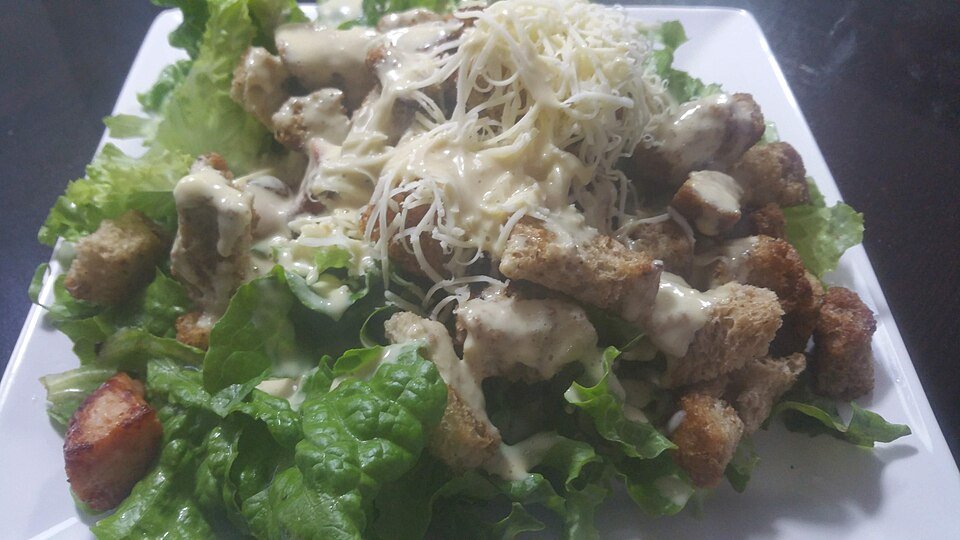
How to Make Chicken Caesar Salad
About this dish
How to Make Guacamole
About this dish
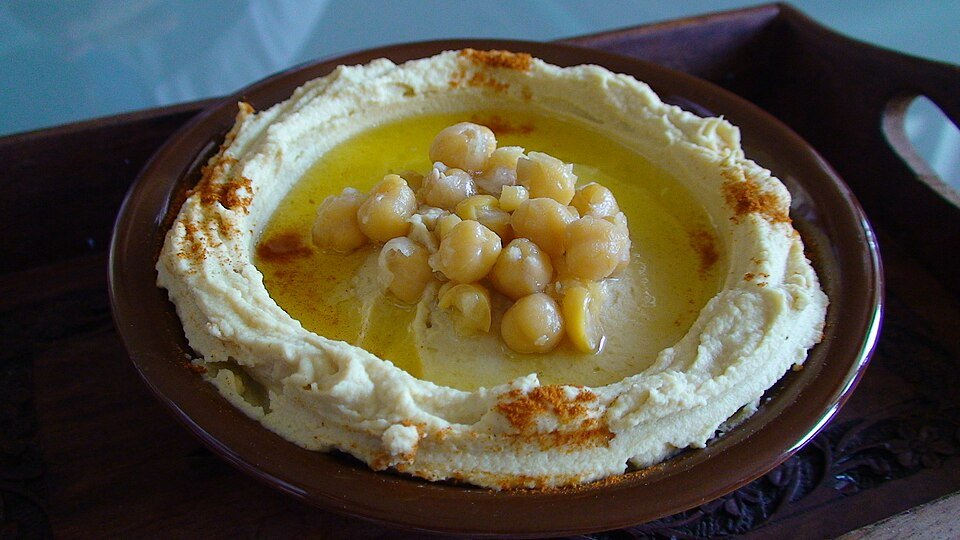
How to Make Hummus
About this dish

How to Make Fluffy Pancakes
About this dish
Comments
Log in to comment.