

What is the best way to paint a room without brush marks?
Quick Summary
Flawless emulsion technique
⚠️ Warnings
Steps
Flawless emulsion technique
Dulux, Farrow & Ball, or trade emulsion all fail on greasy, dusty, or flaking surfaces. Spend seventy percent of time prepping. British rooms often need mist coat on new plaster before standard emulsion.
What you'll need
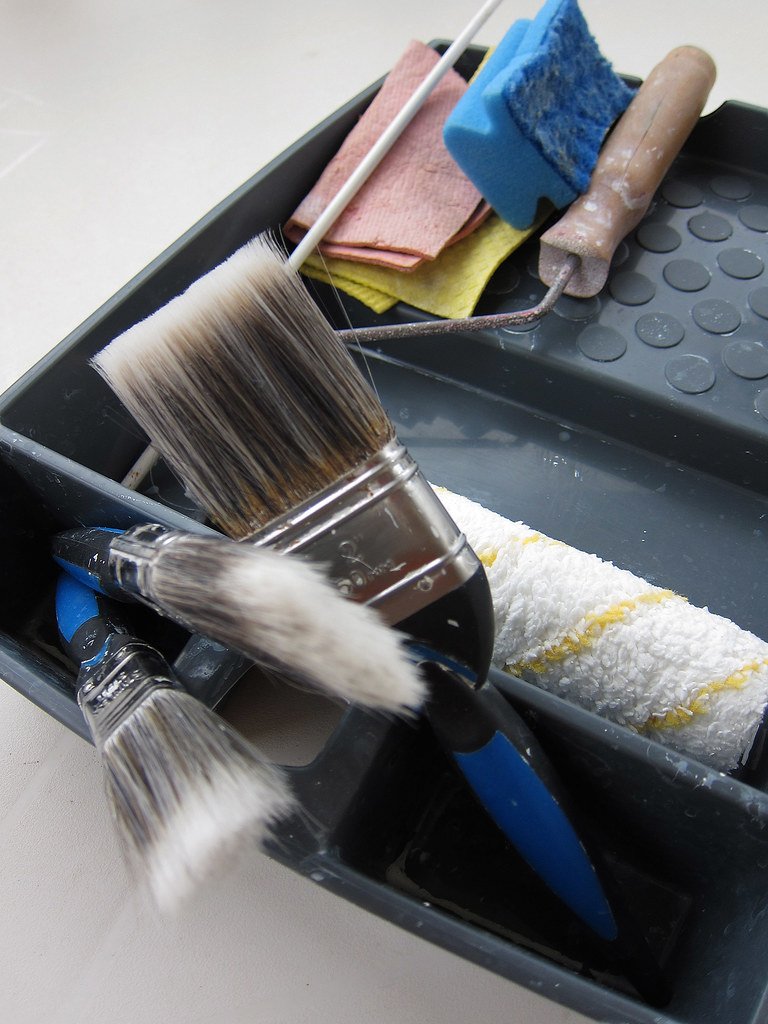
Roller and extension pole, 2.5-inch cutting brush, Fine filler and sandpaper, Dust sheets, Painter's tape, Roller tray and grid. When working on paint a room without brush marks, measure twice and fix mounting points into studs or masonry, not plaster alone. Break the process into small checkpoints so you can correct mistakes early rather than starting over. If you are new to this, expect a learning curve — most people improve noticeably on the second attempt.
Wash walls and fill imperfections

Sugar soap removes grime near cookers. Fill holes with fine surface filler, sand smooth when dry. Work steadily through this part of paint a room without brush marks, pausing to double-check your work against the goal before moving on — most mistakes are caught when you slow down at transitions between stages. Note what worked in a phone memo so you can repeat the process faster next time.
Tape edges and lay dust sheets

Press tape firmly along skirting and ceiling lines. Remove whilst paint is tacky for cleanest edge. Work steadily through this part of paint a room without brush marks, pausing to double-check your work against the goal before moving on — most mistakes are caught when you slow down at transitions between stages. Note what worked in a phone memo so you can repeat the process faster next time.
Cut in edges with brush

Paint two-inch band where wall meets ceiling and woodwork. Keep line steady; roller covers the rest. Measure twice and mark clearly in pencil or tape — small errors compound through later stages of paint a room without brush marks, especially where parts are cut to length or drilled in place. Note what worked in a phone memo so you can repeat the process faster next time.
Roll walls in W pattern while cut-in wet

Load roller evenly, work three-foot sections, overlap passes before paint dries. Second coat perpendicular to first. Measure twice and mark clearly in pencil or tape — small errors compound through later stages of paint a room without brush marks, especially where parts are cut to length or drilled in place. Note what worked in a phone memo so you can repeat the process faster next time.
Apply second coat after drying time on tin

Rushing recoats causes drag marks. Ventilate but avoid direct draught on wet walls. Work steadily through this part of paint a room without brush marks, pausing to double-check your work against the goal before moving on — most mistakes are caught when you slow down at transitions between stages. Note what worked in a phone memo so you can repeat the process faster next time.
Sources and further reading
Facts, limits, and safety notes in this guide are cross-checked against the references below. Laws, fees, and product guidance change — always confirm details for your region before acting.
Background concepts and terminology
Wikipedia — Paint a room without brush marksRelated guides and resources
Explore related how-to guides on our site, including more in this topic and our most popular tutorials.
This guide provides clear steps to fix a leaking tap, saving water and preventing basin stains. Most homeowners can complete this DIY task in under an hour.
How do you fix a leaking tap?A practical guide to install shelving on plasterboard walls. A practical guide to is it possible to install shelving. Floating shelves on hollow walls need correct fixings — nails alone pull out under books. Follow these steps to mount securely and level on typical UK stud or plasterboard construction.
Is it possible to install shelving on plasterboard walls?A practical guide to prepare my home for winter. A practical guide to how can someone prepare my home. Autumn preparation prevents burst pipes, heat loss, and gutter floods when January arrives. Tick through this checklist before clocks go back and nights turn bitter.
How can someone prepare my home for winter?Browse all guides in this category.
More in How-to guidesOne of our most-read how-to guides.
How to Build Muscle at Home🔧 Troubleshooting
Roller marks visible after drying
Paint dried too fast — thin slightly with water per tin limits or improve ventilation less aggressively.
Patchy coverage on old colour
Use tinted primer or extra coat; bold colour changes need grey primer underneath.
Paint is drying too quickly, leading to brush marks.
Ensure you are painting in cooler temperatures and higher humidity. If possible, work during the cooler parts of the day and consider using a paint conditioner to extend the drying time.
Roller marks are visible after painting.
Use a high-quality roller with the appropriate nap length for your wall texture. Additionally, ensure you are applying enough paint to the roller and working in sections to maintain a wet edge.
Paint is drying too quickly, causing brush marks.
Use a paint conditioner to slow down the drying time, or work in smaller sections to ensure the paint stays wet longer.
Roller marks are visible after the paint dries.
Ensure you are using a high-quality roller with the appropriate nap length for your wall texture. Additionally, apply even pressure and avoid overloading the roller with paint.
Paint has dried with visible brush marks.
Use a high-quality roller instead of a brush for larger areas to achieve a smoother finish. If brush marks are already present, lightly sand the area with fine-grit sandpaper and apply a second coat using a roller.
Paint is streaky after application.
Ensure even coverage by using a paint conditioner to improve flow and leveling. Apply paint in sections and maintain a wet edge to prevent streaks. If streaks remain, consider applying a second coat after the first has dried completely.
❓ FAQs
How long between coats?
Follow tin guidance — typically two to four hours for water-based emulsion at 18 °C.
Matt or washable paint for hallways?
Washable matt balances wipeability with forgiving finish in high-traffic areas.
What type of roller should I use for a smooth finish?
Use a high-quality roller with a 10-12mm nap for smooth surfaces, and a shorter nap for textured surfaces.
Should I use primer before painting?
Yes, using a primer helps to seal the surface and provides a better base for the paint, which can reduce brush marks.
How can I avoid paint drips and runs?
Use a steady hand and avoid overloading the roller or brush with paint. Work in small sections and maintain a wet edge.
Know a better way?
Suggest clearer steps, fix mistakes, or add detail you use in practice. Your edit is reviewed before it goes live.
Was this guide helpful?
Guide by How To Library
You might also like
Similar guides based on topic, category, and tags.
How do you fix a leaking tap?
Stopping the drip
Is it possible to install shelving on plasterboard walls?
This guide explores the feasibility and methods for securely installing shelving on plasterboard walls, ensuring stability and safety.
How can someone prepare my home for winter?
Winter readiness checklist
Why does dirt build up in my home room by room?
Whole-home deep clean plan
How does it work to compost kitchen waste effectively?
This article offers a detailed guide on composting kitchen waste, focusing on the balance of greens and browns, and the advantages for small gardens.
How can I track my spending with banking apps?
Know where every pound goes
Comments
Log in to comment.