

What is the best way to make stock from kitchen scraps?

Quick Summary
Zero-waste stock fundamentals
⚠️ Warnings
Steps
Zero-waste stock fundamentals
Stock extracts collagen and flavour from bones and aromatics through gentle simmering — not boiling, which emulsifies fat and turns broth cloudy. Keep a freezer bag for vegetable trimmings and add to it all week before cooking day.
What you'll need
Large stock pot or slow cooker, Fine mesh sieve, Freezer bags or ice cube trays, Roasting tray for bone stocks. When working on make stock from kitchen scraps, taste as you go and adjust seasoning in small increments. Break the process into small checkpoints so you can correct mistakes early rather than starting over. If you are new to this, expect a learning curve — most people improve noticeably on the second attempt.
Collect and freeze scraps throughout the week

Save onion ends, leek greens, parsley stems, and mushroom stems. Avoid brassica scraps and bitter greens that overpower. For meat stock, freeze roasted carcasses separately. Work steadily through this part of make stock from kitchen scraps, pausing to double-check your work against the goal before moving on — most mistakes are caught when you slow down at transitions between stages. Note what worked in a phone memo so you can repeat the process faster next time.
Roast bones for deeper colour optional

Bake chicken or beef bones at 200 °C until golden. Roasting adds richness worth the extra step for brown stocks. Preheat equipment fully and use a food thermometer for meat and reheated dishes — visual cues alone are unreliable, and the FSA recommends core temperatures above 70 °C for two minutes when reheating. Note what worked in a phone memo so you can repeat the process faster next time.
Cover ingredients with cold water and add aromatics

Use roughly equal parts scraps and water by volume. Add bay leaf, peppercorns, and a splash of vinegar to help extract minerals from bones. Lay out everything you need within arm's reach and read the full sequence once before starting make stock from kitchen scraps — missing a single tool mid-task is the main reason simple jobs overrun their time estimate. Note what worked in a phone memo so you can repeat the process faster next time.
Simmer gently three to six hours

Skim foam from the surface first hour. Maintain tiny bubbles — vigorous boiling makes greasy, cloudy stock. Preheat equipment fully and use a food thermometer for meat and reheated dishes — visual cues alone are unreliable, and the FSA recommends core temperatures above 70 °C for two minutes when reheating. Note what worked in a phone memo so you can repeat the process faster next time.
Strain, cool rapidly, and skim fat

Pour through sieve lined with muslin if clarity matters. Chill overnight; lift solidified fat from the top for other cooking. Work steadily through this part of make stock from kitchen scraps, pausing to double-check your work against the goal before moving on — most mistakes are caught when you slow down at transitions between stages. Note what worked in a phone memo so you can repeat the process faster next time.
Portion and freeze in labelled containers
Ice cube trays yield handy two-tablespoon portions for pan sauces. Date everything — stock keeps three months frozen. Work steadily through this part of make stock from kitchen scraps, pausing to double-check your work against the goal before moving on — most mistakes are caught when you slow down at transitions between stages. Note what worked in a phone memo so you can repeat the process faster next time.
Sources and further reading
Facts, limits, and safety notes in this guide are cross-checked against the references below. Laws, fees, and product guidance change — always confirm details for your region before acting.
Free UK money and pensions guidance
MoneyHelperUK food safety and hygiene
Food Standards Agency🔧 Troubleshooting
Stock tastes flat
Roast bones longer, add mushroom stems for umami, or simmer uncovered to concentrate flavour.
Gelatin does not set when cold
Use more joint-rich bones like chicken feet or beef knuckles next batch.
❓ FAQs
Can I use potato peelings?
Sparingly — they add starch that clouds stock. A few peels are fine in vegetable stock.
How is stock different from broth?
Stock emphasises bones and body; broth is often seasoned and sipped alone. The terms blur in home cooking.
Can I use herbs in my stock?
Yes, fresh or dried herbs can enhance flavor. Add them towards the end of cooking to preserve their taste.
How long can I store homemade stock?
Homemade stock can be stored in the refrigerator for up to 4 days or frozen for up to 6 months.
What vegetables should I avoid using in stock?
Avoid using strong-flavored vegetables like cabbage or broccoli, as they can overpower the stock's flavor.
Can I use meat scraps for stock?
Yes, meat scraps can be used to enhance the flavor of your stock. Just ensure they are well-cooked and free of excess fat.
How can I enhance the flavor of my stock?
To enhance flavor, consider adding aromatics like garlic, onions, and leeks, as well as spices like peppercorns and bay leaves.
Is it necessary to roast vegetables before making stock?
Roasting vegetables before adding them to the stock can deepen the flavor, but it is not strictly necessary.
Know a better way?
Suggest clearer steps, fix mistakes, or add detail you use in practice. Your edit is reviewed before it goes live.
Was this guide helpful?
Guide by How To Library
You might also like
Similar guides based on topic, category, and tags.

How to Make Chicken Caesar Salad
About this dish
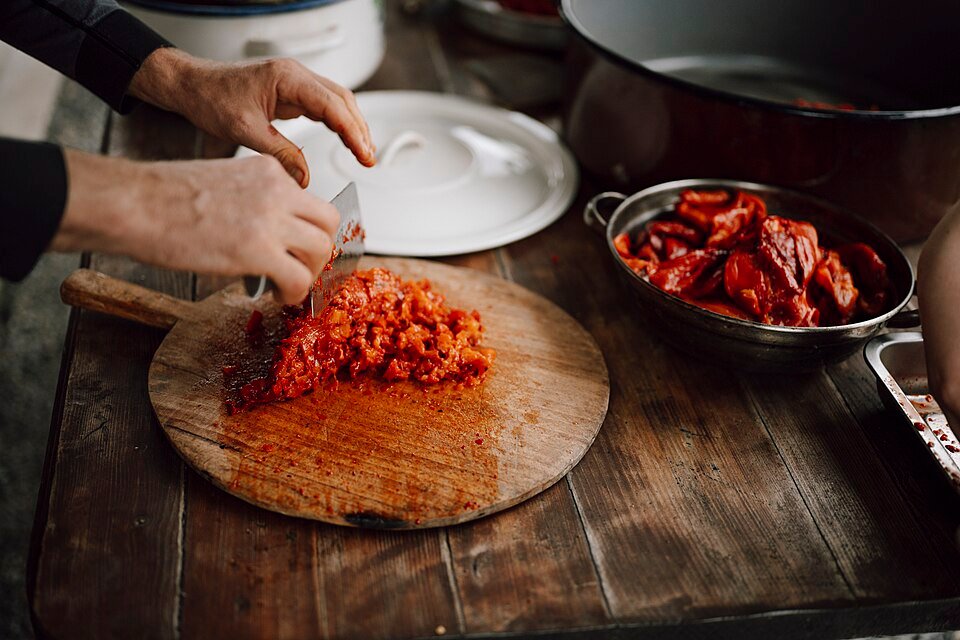
How to Make Guacamole
About this dish
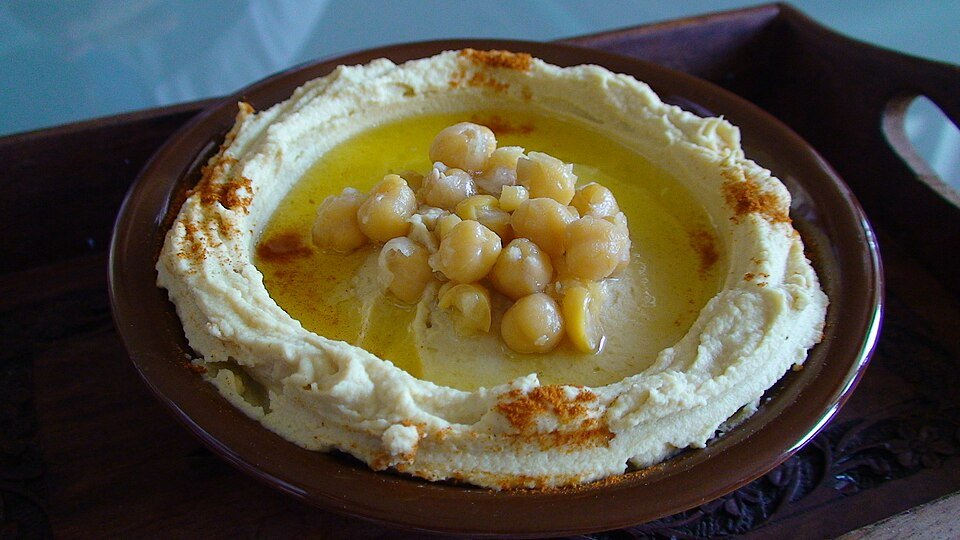
How to Make Hummus
About this dish

How to Make Fluffy Pancakes
About this dish

How to Make Thai Green Curry
About this dish

How to Make Beef Tacos
About this dish
Comments
Log in to comment.