

How to Make Classic Spaghetti Carbonara
How to cook it
About this dish
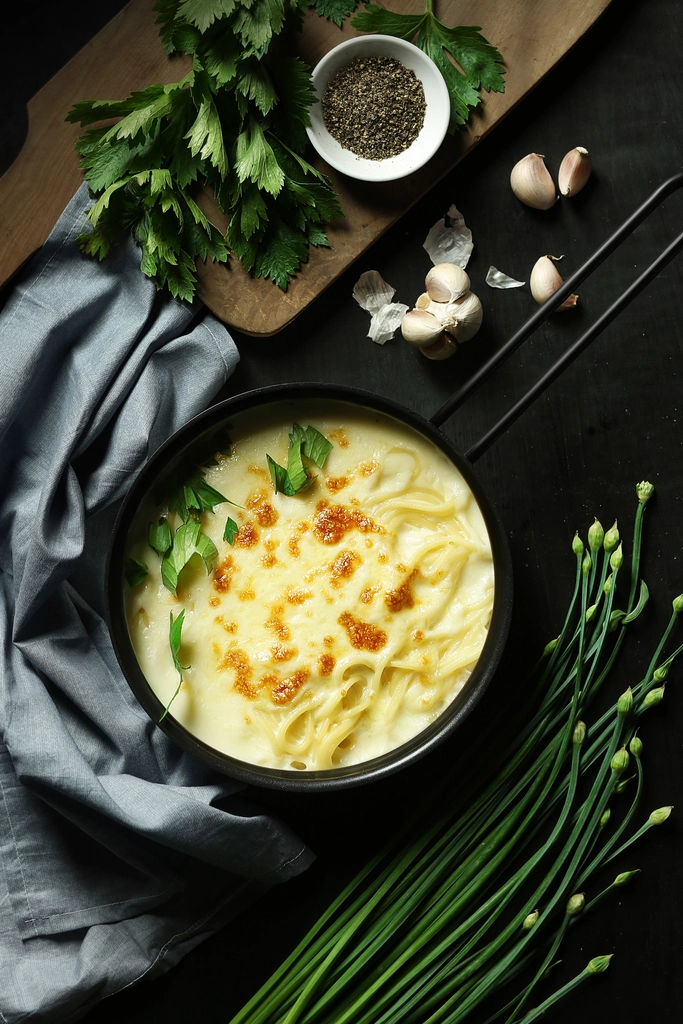
When it comes to make classic spaghetti carbonara, spaghetti carbonara is one of Rome's most celebrated pasta dishes, built from just a handful of ingredients that transform into something far greater than the sum of its parts. Guanciale — cured pork cheek — renders its fat to flavour the pasta, while beaten eggs and aged Pecorino Romano create a rich, glossy sauce without a drop of cream. The technique is deceptively simple, yet timing and temperature are everything.
Authentic carbonara never includes cream, garlic, or peas; those additions belong to tourist-trap adaptations. The real magic happens off the heat, when starchy pasta water emulsifies with the egg mixture to form a silky coating. Master this method and you will have a weeknight staple that impresses every time, whether served to family or dinner guests.
Recipe
Ingredients
- 400 g spaghetti
- 200 g guanciale or pancetta, cut into lardons
- 4 large egg yolks plus 2 whole eggs
- 100 g Pecorino Romano, finely grated
- 50 g Parmesan, finely grated
- Freshly cracked black pepper, to taste
- Fine sea salt, for the pasta water
- Extra virgin olive oil, for drizzling
Step-by-step
Cook the pasta

Bring a large pot of well-salted water to a rolling boil and cook the spaghetti until al dente, about 1 minute less than the packet suggests. Reserve 250 ml of the starchy pasta water before draining. Do not rinse the pasta.
Render the guanciale
Place the guanciale in a cold large frying pan over medium heat and cook slowly until the fat renders and the pieces are crisp and golden, about 8 minutes. Remove from the heat and leave the fat in the pan.
Prepare the egg mixture

Whisk the egg yolks, whole eggs, both cheeses, and a generous amount of black pepper in a bowl until smooth and combined. The mixture should be thick but pourable. Lay out everything you need within arm's reach and read the full sequence once before starting make classic spaghetti carbonara — missing a single tool mid-task is the main reason simple jobs overrun their time estimate. Note what worked in a phone memo so you can repeat the process faster next time.
Combine off the heat

Return the guanciale pan to low heat, add the drained spaghetti, and toss to coat in the rendered fat. Remove from the heat completely, then pour in the egg mixture while tossing vigorously. Add pasta water a splash at a time until the sauce is glossy and clings to every strand.
Season and serve

Taste and adjust with more pepper or cheese if needed. Serve immediately in warmed bowls, topped with extra Pecorino and a final grind of black pepper. Work steadily through this part of make classic spaghetti carbonara, pausing to double-check your work against the goal before moving on — most mistakes are caught when you slow down at transitions between stages. Note what worked in a phone memo so you can repeat the process faster next time.
Sources and further reading
Facts, limits, and safety notes in this guide are cross-checked against the references below. Laws, fees, and product guidance change — always confirm details for your region before acting.
Background concepts and terminology
Wikipedia — Make classic spaghetti carbonara🔧 Troubleshooting
The sauce is too runny.
Make sure to combine the pasta and egg mixture off the heat to prevent the eggs from scrambling. If the sauce is still too runny, add a bit more grated Pecorino cheese to thicken it.
The pasta is overcooked.
To avoid overcooking, check the pasta a minute or two before the package instructions indicate. It should be al dente, meaning it should have a slight bite to it. If you accidentally overcook it, you can try to salvage it by quickly rinsing it under cold water to stop the cooking process.
❓ FAQs
Can I use bacon instead of guanciale?
Streaky bacon works in a pinch, but guanciale or pancetta gives a more authentic flavour and texture. Avoid smoked bacon, which overwhelms the delicate sauce.
Why does my carbonara sometimes scramble?
The pan is too hot when you add the eggs. Always remove it from the heat first and use the residual warmth plus starchy pasta water to create the sauce gently.
Was this guide helpful?
Guide by Elena Rossi
Chef and recipe developer. Trained in Rome and London kitchens — now focuses on teaching home cooks measurement, prep systems, and weeknight meal planning.
You might also like
Similar guides based on topic, category, and tags.
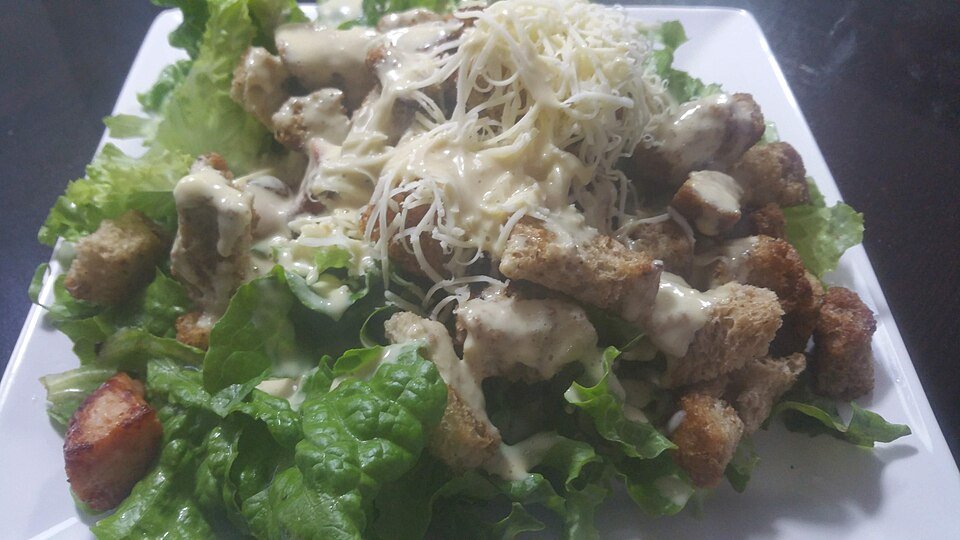
How to Make Chicken Caesar Salad
About this dish
How to Make Guacamole
About this dish
How to Make Hummus
About this dish

How to Make Fluffy Pancakes
About this dish
How to Make Thai Green Curry
About this dish

How to Make Beef Tacos
About this dish
Comments
Log in to comment.