

How to Make Sourdough Bread
How to cook it
About this dish
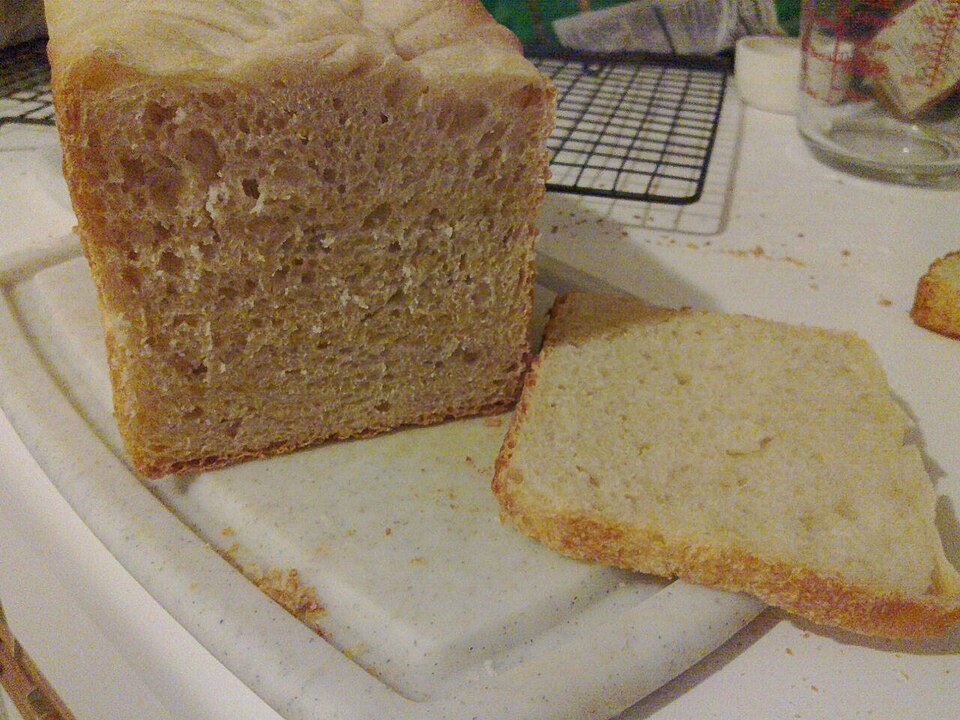
When it comes to make sourdough bread, sourdough bread is one of baking's great achievements — a loaf leavened entirely by wild yeast and bacteria in a living starter, producing bread with a complex tangy flavour, chewy crumb, and shatteringly crisp crust that no commercial yeast can replicate.
The process spans roughly 24 hours from mixing to baking, but most of that is passive fermentation. Once you understand the rhythm of feeding, folding, shaping, and baking, sourdough becomes a deeply satisfying weekly ritual rather than a daunting project.
Recipe
Ingredients
- 100 g active sourdough starter (fed and bubbly)
- 350 g strong white bread flour
- 50 g wholemeal flour
- 10 g fine sea salt
- 280 ml lukewarm water
- Rice flour or semolina, for dusting
- 1 tbsp olive oil (optional, for softer crust)
- Flaky sea salt, for the crust
Step-by-step
Mix the dough

Combine the starter, flours, water, and salt in a large bowl. Mix until no dry flour remains, then cover and rest for 30 minutes (autolyse). Work steadily through this part of make sourdough bread, pausing to double-check your work against the goal before moving on — most mistakes are caught when you slow down at transitions between stages. Note what worked in a phone memo so you can repeat the process faster next time.
Stretch and fold

Perform three sets of stretch-and-folds at 30-minute intervals, grabbing one edge of the dough, stretching it up, and folding it over itself. The dough will gain strength with each set. Work steadily through this part of make sourdough bread, pausing to double-check your work against the goal before moving on — most mistakes are caught when you slow down at transitions between stages. Note what worked in a phone memo so you can repeat the process faster next time.
Bulk ferment

Cover and leave at room temperature for 4–6 hours until the dough has risen by roughly 50% and feels airy. In warm weather this may take less time. Work steadily through this part of make sourdough bread, pausing to double-check your work against the goal before moving on — most mistakes are caught when you slow down at transitions between stages. Note what worked in a phone memo so you can repeat the process faster next time.
Shape and prove

Turn the dough onto a lightly floured surface, shape into a round boule, and place seam-side up in a floured banneton or bowl lined with a tea towel. Cover and refrigerate overnight or prove at room temperature for 2–3 hours.
Score and bake

Preheat a Dutch oven or baking stone at 240°C for at least 30 minutes. Turn the dough out, score the top with a sharp blade, and bake covered for 20 minutes. Remove the lid and bake for a further 20–25 minutes until deeply golden. Cool completely before slicing.
Sources and further reading
Facts, limits, and safety notes in this guide are cross-checked against the references below. Laws, fees, and product guidance change — always confirm details for your region before acting.
Background concepts and terminology
Wikipedia — Make sourdough bread❓ FAQs
Can I make sourdough without a Dutch oven?
A preheated baking stone with a tray of water in the oven base creates steam. The crust may be slightly less crisp but the bread will still be excellent.
How do I know when bulk fermentation is done?
The dough should feel airy, have visible bubbles on the surface, and have increased in volume by about 50%. Overproofing leads to a flat, overly sour loaf.
Was this guide helpful?
Guide by Elena Rossi
Chef and recipe developer. Trained in Rome and London kitchens — now focuses on teaching home cooks measurement, prep systems, and weeknight meal planning.
You might also like
Similar guides based on topic, category, and tags.

How to Make Chicken Caesar Salad
About this dish
How to Make Guacamole
About this dish
How to Make Hummus
About this dish

How to Make Fluffy Pancakes
About this dish

How to Make Banana Bread
About this dish

How to Make Thai Green Curry
About this dish
Comments
Log in to comment.