

How to Make Fish and Chips
How to cook it
About this dish
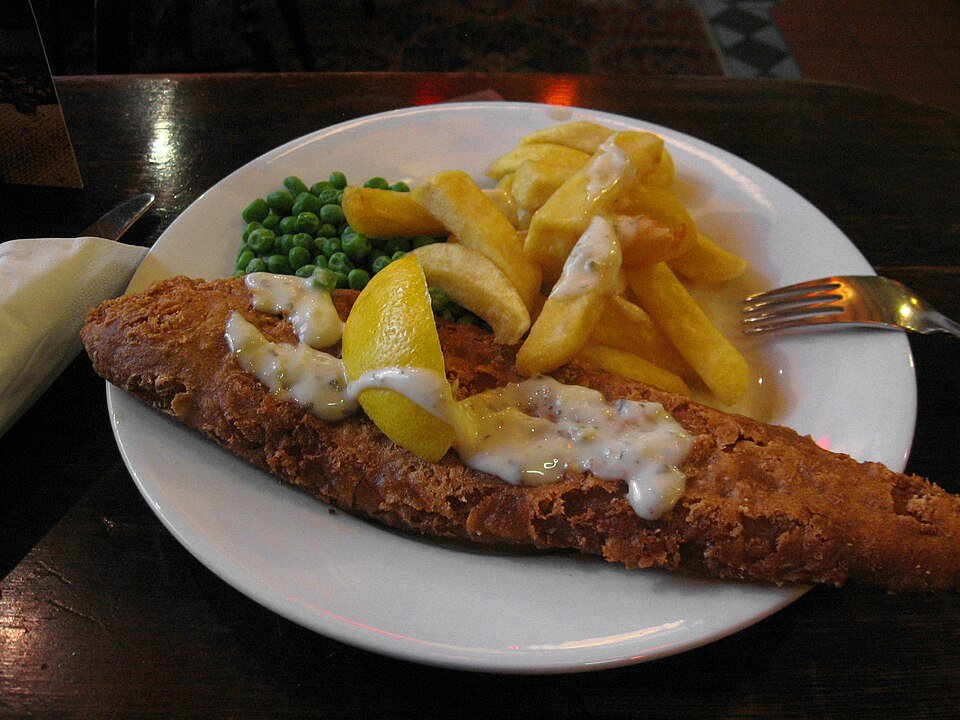
When it comes to make fish and chips, fish and chips is Britain's most iconic meal — fresh cod or haddock encased in a shatteringly crisp beer batter, served alongside fat golden chips and a dollop of mushy peas. The tradition dates to the 1860s, when fried fish merged with the potato chip to create a working-class staple that endures to this day.
The challenge at home is achieving chip-shop crunch without a commercial fryer. A light, fizzy batter and properly dried fish are the secrets, along with chips that are fluffy inside and crisp outside. Serve with malt vinegar and sea salt for the full experience.
Recipe
Ingredients
- 4 cod or haddock fillets (about 150 g each)
- 1 kg Maris Piper potatoes, cut into chips
- 200 g plain flour
- 1 tsp baking powder
- 330 ml cold lager or sparkling water
- Vegetable oil, for deep frying
- 200 g frozen peas
- 1 tbsp malt vinegar
- Sea salt, to taste
- Lemon wedges, to serve
Step-by-step
Cook the chips

Parboil the chips in salted water for 4 minutes, then drain and leave to steam dry. Heat oil to 160°C and fry the chips for 5 minutes. Remove and drain. Increase oil to 190°C and fry again for 4 minutes until golden.
Make the batter
Whisk the flour and baking powder together, then gradually whisk in the cold lager until you have a smooth, thick batter the consistency of double cream. Keep chilled until needed. Work steadily through this part of make fish and chips, pausing to double-check your work against the goal before moving on — most mistakes are caught when you slow down at transitions between stages. Note what worked in a phone memo so you can repeat the process faster next time.
Prepare the mushy peas

Cook the peas in boiling water for 3 minutes, then drain and mash roughly with a fork. Stir in the malt vinegar and season with salt. Lay out everything you need within arm's reach and read the full sequence once before starting make fish and chips — missing a single tool mid-task is the main reason simple jobs overrun their time estimate. Note what worked in a phone memo so you can repeat the process faster next time.
Fry the fish
Heat frying oil to 190°C. Dip each fillet in batter, letting excess drip off, and lower carefully into the oil. Fry for 4–5 minutes until the batter is deep golden and the fish flakes easily. Preheat equipment fully and use a food thermometer for meat and reheated dishes — visual cues alone are unreliable, and the FSA recommends core temperatures above 70 °C for two minutes when reheating. Note what worked in a phone memo so you can repeat the process faster next time.
Serve immediately

Drain the fish on kitchen paper and season with sea salt. Serve with the hot chips, mushy peas, and lemon wedges. Add malt vinegar at the table. Work steadily through this part of make fish and chips, pausing to double-check your work against the goal before moving on — most mistakes are caught when you slow down at transitions between stages. Note what worked in a phone memo so you can repeat the process faster next time.
Sources and further reading
Facts, limits, and safety notes in this guide are cross-checked against the references below. Laws, fees, and product guidance change — always confirm details for your region before acting.
Background concepts and terminology
Wikipedia — Make fish and chips🔧 Troubleshooting
The batter is too thick and doesn't adhere to the fish.
Add a little more cold beer or sparkling water to the batter to thin it out. Ensure the fish is dry before dipping it into the batter for better adhesion.
The chips are soggy instead of crispy.
Ensure the oil is hot enough before frying the chips. Fry them in small batches to avoid lowering the oil temperature. Consider double frying: cook them at a lower temperature first, then increase the heat for the second fry to achieve crispiness.
❓ FAQs
Can I bake fish and chips instead of frying?
Baking produces a different texture — drier and less crisp. For a lighter option, oven-bake breaded fish and chips tossed in oil, but it will not replicate the chip-shop experience.
Which fish is best for battering?
Cod and haddock are traditional choices with firm, flaky flesh. Pollock is a sustainable and affordable alternative.
Was this guide helpful?
Guide by Elena Rossi
Chef and recipe developer. Trained in Rome and London kitchens — now focuses on teaching home cooks measurement, prep systems, and weeknight meal planning.
You might also like
Similar guides based on topic, category, and tags.
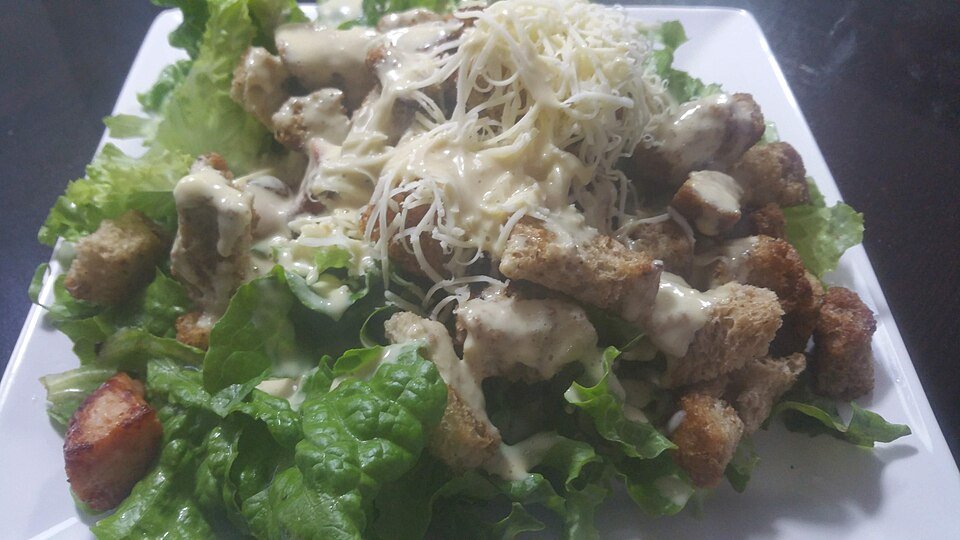
How to Make Chicken Caesar Salad
About this dish
How to Make Guacamole
About this dish
How to Make Hummus
About this dish

How to Make Fluffy Pancakes
About this dish
How to Make Thai Green Curry
About this dish

How to Make Beef Tacos
About this dish
Comments
Log in to comment.