

When should I treat a minor blister on trail?
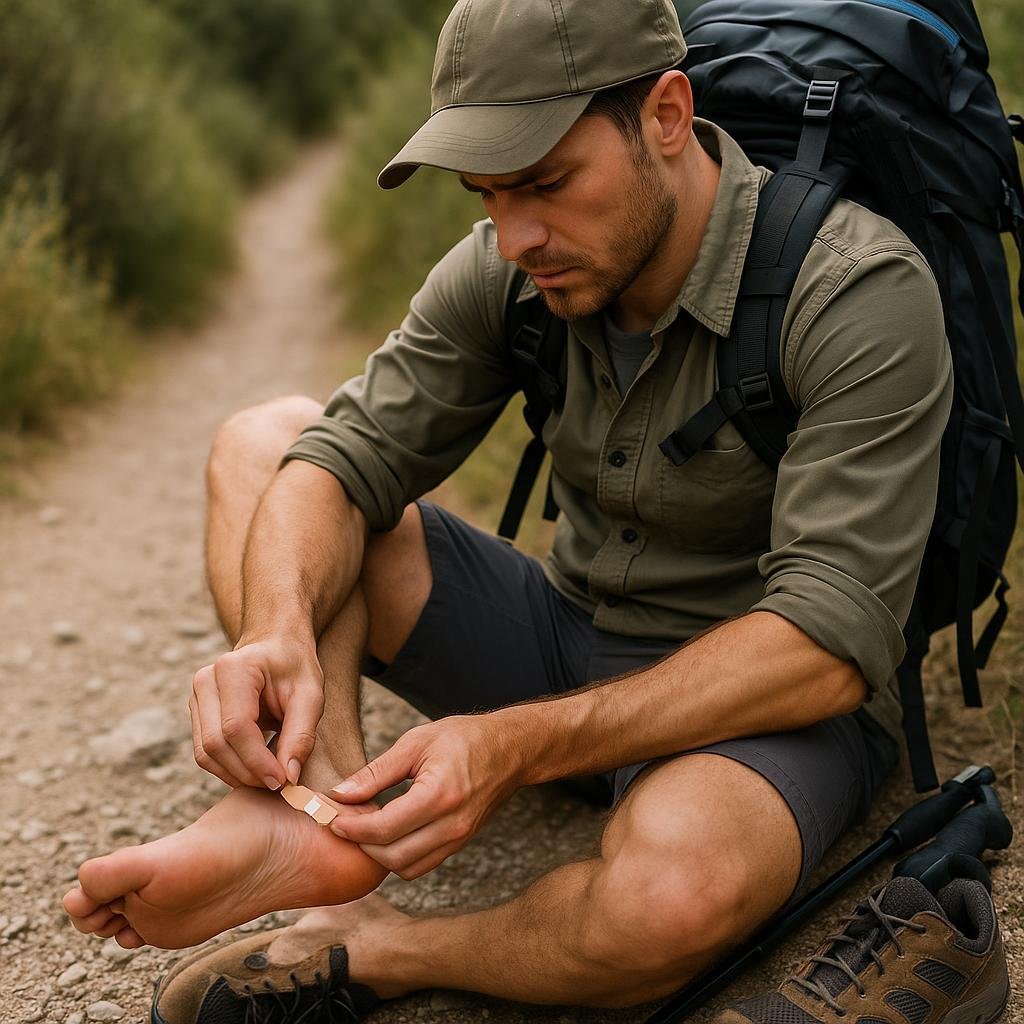
Quick Summary
Air feet, identify red area before fluid forms. Work steadily through this part of treat a minor blister on trail, pausing to double-check your work against the goal before moving on — most mistakes are caught when you slow down at transitions between stages. Note what worked in a phone memo so you can repeat the process faster next time.
⚠️ Warnings
Steps
Stop at first hot spot feeling

Air feet, identify red area before fluid forms. Work steadily through this part of treat a minor blister on trail, pausing to double-check your work against the goal before moving on — most mistakes are caught when you slow down at transitions between stages. Note what worked in a phone memo so you can repeat the process faster next time.
Clean and dry skin
Alcohol wipe if in kit — dry completely. Clean tools before storage, label containers, and schedule any follow-up maintenance — good aftercare keeps treat a minor blister on trail reliable for months rather than a one-off success. Note what worked in a phone memo so you can repeat the process faster next time.
Apply moleskin donut hole over blister

Pad around not on roof if intact — reduces pressure. Work steadily through this part of treat a minor blister on trail, pausing to double-check your work against the goal before moving on — most mistakes are caught when you slow down at transitions between stages. Note what worked in a phone memo so you can repeat the process faster next time.
Tape with leukotape or athletic tape
Secure edges — wrinkle causes new blister. Work steadily through this part of treat a minor blister on trail, pausing to double-check your work against the goal before moving on — most mistakes are caught when you slow down at transitions between stages. Note what worked in a phone memo so you can repeat the process faster next time.
Change socks if damp

Wool or synthetic wick — cotton evil. Work steadily through this part of treat a minor blister on trail, pausing to double-check your work against the goal before moving on — most mistakes are caught when you slow down at transitions between stages. Note what worked in a phone memo so you can repeat the process faster next time.
Drain large painful blister sterile only if necessary
Flame sterilized needle edge hole, leave roof skin on. Work steadily through this part of treat a minor blister on trail, pausing to double-check your work against the goal before moving on — most mistakes are caught when you slow down at transitions between stages. Note what worked in a phone memo so you can repeat the process faster next time.
Sources and further reading
Facts, limits, and safety notes in this guide are cross-checked against the references below. Laws, fees, and product guidance change — always confirm details for your region before acting.
Background concepts and terminology
Wikipedia — Treat a minor blister on trail🔧 Troubleshooting
Blister has popped and is oozing fluid.
Clean the area gently with soap and water, then apply an antibiotic ointment. Cover with a sterile bandage to protect it from dirt and further irritation.
Blister is painful and causing difficulty in walking.
Remove any tight footwear and apply a padded dressing or moleskin around the blister to reduce pressure. If possible, rest the affected foot and elevate it to minimize swelling.
Blister has formed and is painful during hiking.
Clean the area gently with soap and water, then apply a blister pad or sterile bandage to protect it. Avoid popping the blister to prevent infection.
Red area appears on foot but no blister has formed yet.
Apply a blister prevention tape or moleskin to the red area to reduce friction. Take breaks to air out your feet and monitor the area closely for any changes.
❓ FAQs
Prevent blisters?
Well-fitted boots broken in, liner socks, trim toenails.
When stop hiking?
Blister bigger than nickel with red streaks — infection risk, bail.
Know a better way?
Suggest clearer steps, fix mistakes, or add detail you use in practice. Your edit is reviewed before it goes live.
Was this guide helpful?
Guide by How To Library
You might also like
Similar guides based on topic, category, and tags.
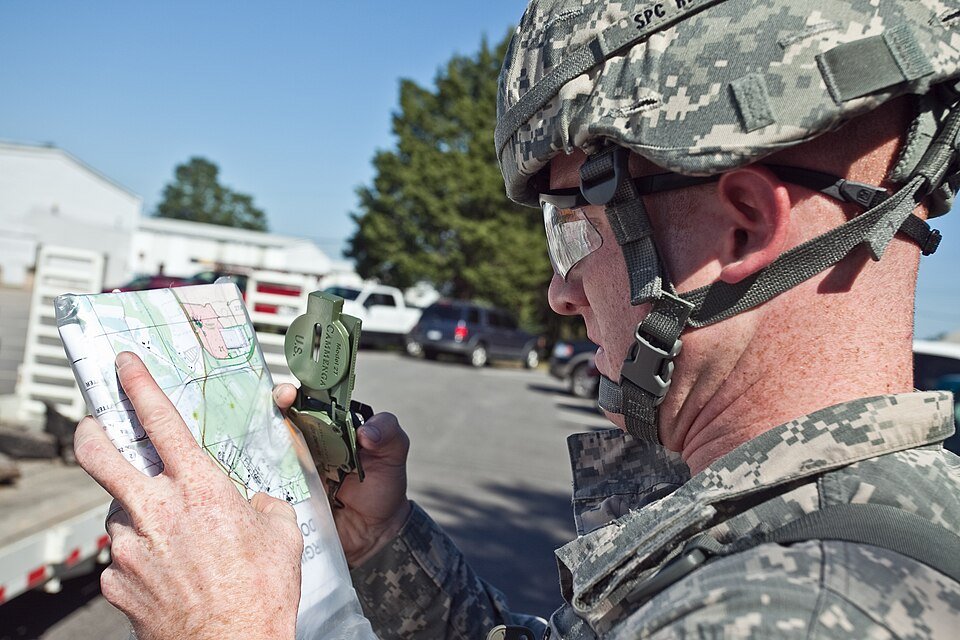
What do I need to use a compass without gps?
Rotate bezel until orienting arrow aligns with needle red north. Measure twice and mark clearly in pencil or tape — small errors compound through later stages of use a compass without gps, especially where parts are cut to length or drilled in place. Note what worked in a phone memo so you can repeat the process faster next time.
How can I purify water while hiking?
Stagnant, downstream of grazing, or after rain runoff — higher contamination. Work steadily through this part of purify water while hiking, pausing to double-check your work against the goal before moving on — most mistakes are caught when you slow down at transitions between stages. Note what worked in a phone memo so you can repeat the process faster next time.
What is the best way to identify poison ivy?
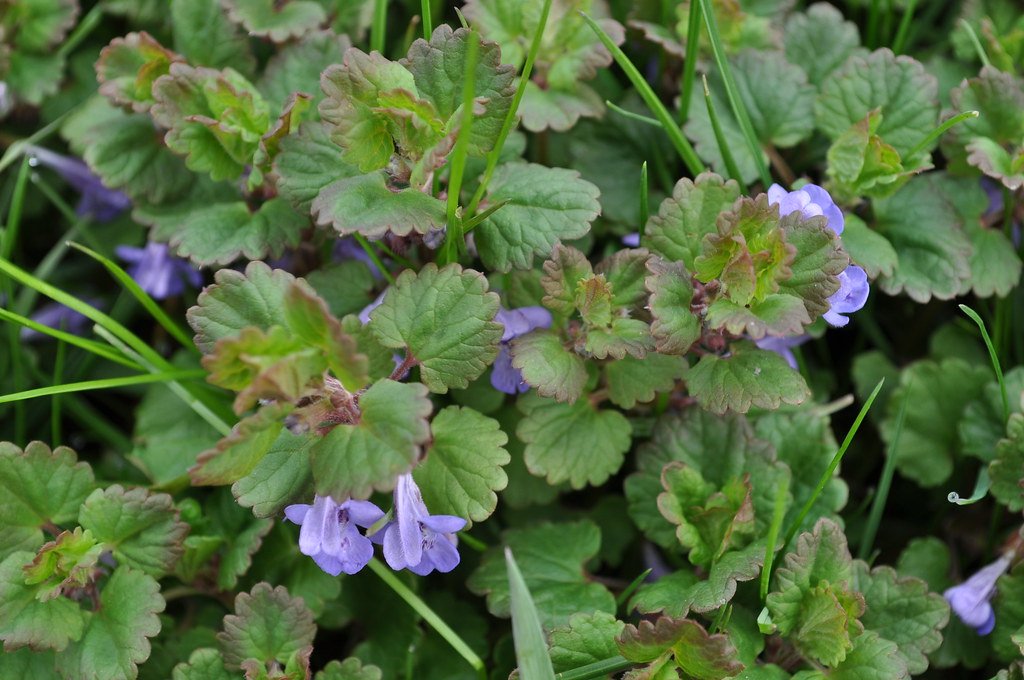
Center leaflet longer stem. Notched or smooth edges vary. Work steadily through this part of identify poison ivy, pausing to double-check your work against the goal before moving on — most mistakes are caught when you slow down at transitions between stages. Note what worked in a phone memo so you can repeat the process faster next time.

Is it possible to plan a first backpacking trip?
National forest beginner loops — check recent trip reports. Work steadily through this part of plan a first backpacking trip, pausing to double-check your work against the goal before moving on — most mistakes are caught when you slow down at transitions between stages. Note what worked in a phone memo so you can repeat the process faster next time.

How do you start a campfire safely?
Dry season means no fire — portable stove instead. Run a quick functional test at low stakes before committing fully — for start a campfire safely, a short trial run reveals alignment, measurement, or configuration issues early when they are cheap to fix. Note what worked in a phone memo so you can repeat the process faster next time.
How do I set up a tent in wind?
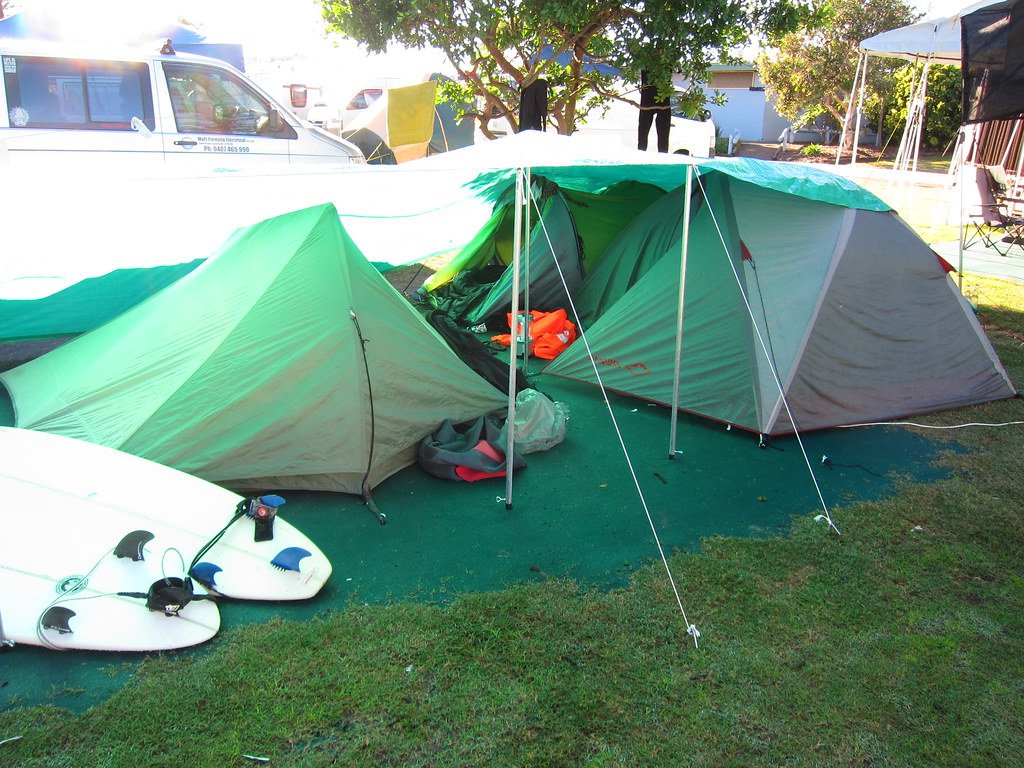
Trees, boulder, ridge — not ridge top exposure. Note prevailing wind direction. Shortlist two or three realistic options and compare total cost of ownership, not just upfront price — read recent verified reviews and check return policies before committing to expensive kit for set up a tent in wind. Note what worked in a phone memo so you can repeat the process faster next time.
Comments
Log in to comment.