

How do you start a campfire safely?

Quick Summary
Dry season means no fire — portable stove instead. Run a quick functional test at low stakes before committing fully — for start a campfire safely, a short trial run reveals alignment, measurement, or configuration issues early when they are cheap to fix. Note what worked in a phone memo so you can repeat the process faster next time.
⚠️ Warnings
Steps
Check fire ban and permit rules

Dry season means no fire — portable stove instead. Run a quick functional test at low stakes before committing fully — for start a campfire safely, a short trial run reveals alignment, measurement, or configuration issues early when they are cheap to fix. Note what worked in a phone memo so you can repeat the process faster next time.
Clear ten-foot circle to bare soil
Remove duff and overhead branches — spark radius. Work steadily through this part of start a campfire safely, pausing to double-check your work against the goal before moving on — most mistakes are caught when you slow down at transitions between stages. Note what worked in a phone memo so you can repeat the process faster next time.
Build fire ring or use existing pit

Circle rocks contain coals — not river rocks that explode when wet inside. Work steadily through this part of start a campfire safely, pausing to double-check your work against the goal before moving on — most mistakes are caught when you slow down at transitions between stages. Note what worked in a phone memo so you can repeat the process faster next time.
Lay tinder bundle then pencil-kindling teepee
Dry birch bark, fatwood, or commercial tinder. Graduated fuel sizes. Work steadily through this part of start a campfire safely, pausing to double-check your work against the goal before moving on — most mistakes are caught when you slow down at transitions between stages. Note what worked in a phone memo so you can repeat the process faster next time.
Light leeward side shielding from wind

Long match or lighter — face away from sudden flare. Work steadily through this part of start a campfire safely, pausing to double-check your work against the goal before moving on — most mistakes are caught when you slow down at transitions between stages. Note what worked in a phone memo so you can repeat the process faster next time.
Add wrist-thick logs only after kindling established
Do not smother baby flame with log cabin too early. Work steadily through this part of start a campfire safely, pausing to double-check your work against the goal before moving on — most mistakes are caught when you slow down at transitions between stages. Note what worked in a phone memo so you can repeat the process faster next time.
Fully extinguish: water, stir, hand test
Drown, stir ashes, hold hand near — cold means out. Run a quick functional test at low stakes before committing fully — for start a campfire safely, a short trial run reveals alignment, measurement, or configuration issues early when they are cheap to fix. Note what worked in a phone memo so you can repeat the process faster next time.
Sources and further reading
Facts, limits, and safety notes in this guide are cross-checked against the references below. Laws, fees, and product guidance change — always confirm details for your region before acting.
Background concepts and terminology
Wikipedia — Start a campfire safely🔧 Troubleshooting
The campfire won't start despite having dry wood and kindling.
Ensure that you are using enough kindling and that it is arranged properly to allow airflow. Try using fire starters like newspaper or commercial fire starters to help ignite the kindling. If it's windy, consider blocking the wind with a barrier.
The campfire produces too much smoke and is difficult to manage.
Check that the wood is dry and seasoned, as wet or green wood creates excessive smoke. Arrange the wood in a teepee or log cabin style to improve airflow, which helps the fire burn more efficiently and reduces smoke.
The campfire won't stay lit.
Ensure you have enough kindling and fuel. Start with small twigs and gradually add larger logs. Make sure there is adequate airflow; if the fire is smothered, it won't catch. If necessary, use a fire starter or dry leaves to help ignite the fire.
Smoke is blowing into my face.
Adjust the position of the logs to improve airflow and reduce smoke. You can also try moving your seating position to the side of the fire rather than directly in front of it. If the wind is strong, consider building a windbreak with rocks or logs.
Difficulty lighting the campfire due to damp wood.
Ensure that the wood you are using is dry. If the wood is damp, try using smaller kindling or tinder that is dry, such as dry leaves, paper, or commercial fire starters. You can also split the wood to expose the dry interior.
The campfire is producing too much smoke.
Check the airflow around the fire. If the fire is smoldering, it may not be getting enough oxygen. Rearrange the logs to allow for better airflow, and ensure that you are using well-seasoned wood, as green or wet wood tends to produce more smoke.
❓ FAQs
Fire starter cubes?
Fine sparingly — pack trash out.
Collect firewood?
Buy local or dead down only where legal — green wood smokes.
Know a better way?
Suggest clearer steps, fix mistakes, or add detail you use in practice. Your edit is reviewed before it goes live.
Was this guide helpful?
Guide by How To Library
You might also like
Similar guides based on topic, category, and tags.

How to Start a Campfire Safely
Understanding Campfire Safety

Why does losing food away from bears happen so easily?
Canister required some parks — fines steep. Run a quick functional test at low stakes before committing fully — for losing food away from bears happen so easily, a short trial run reveals alignment, measurement, or configuration issues early when they are cheap to fix. Note what worked in a phone memo so you can repeat the process faster next time.
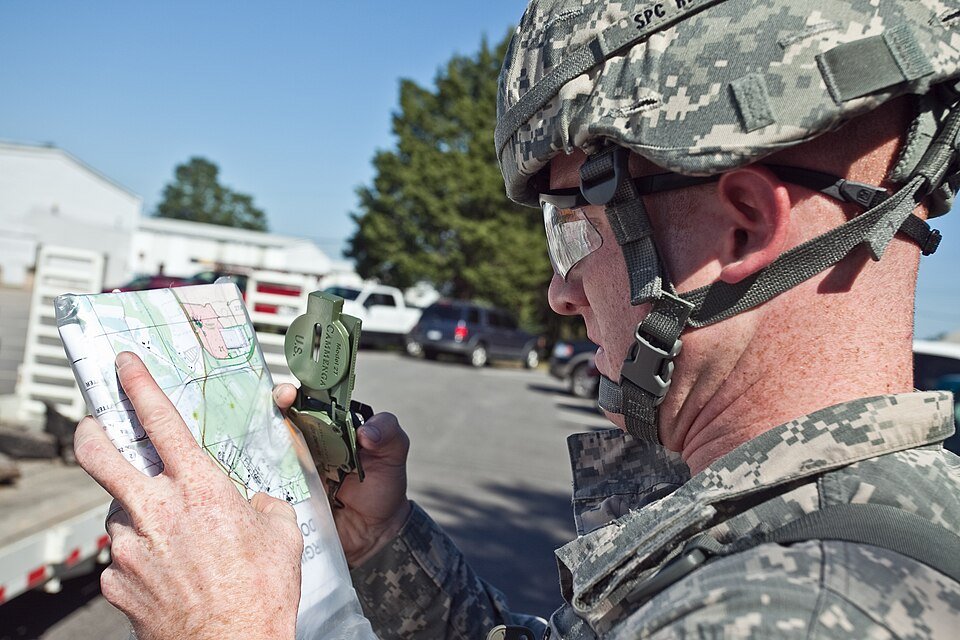
What do I need to use a compass without gps?
Rotate bezel until orienting arrow aligns with needle red north. Measure twice and mark clearly in pencil or tape — small errors compound through later stages of use a compass without gps, especially where parts are cut to length or drilled in place. Note what worked in a phone memo so you can repeat the process faster next time.
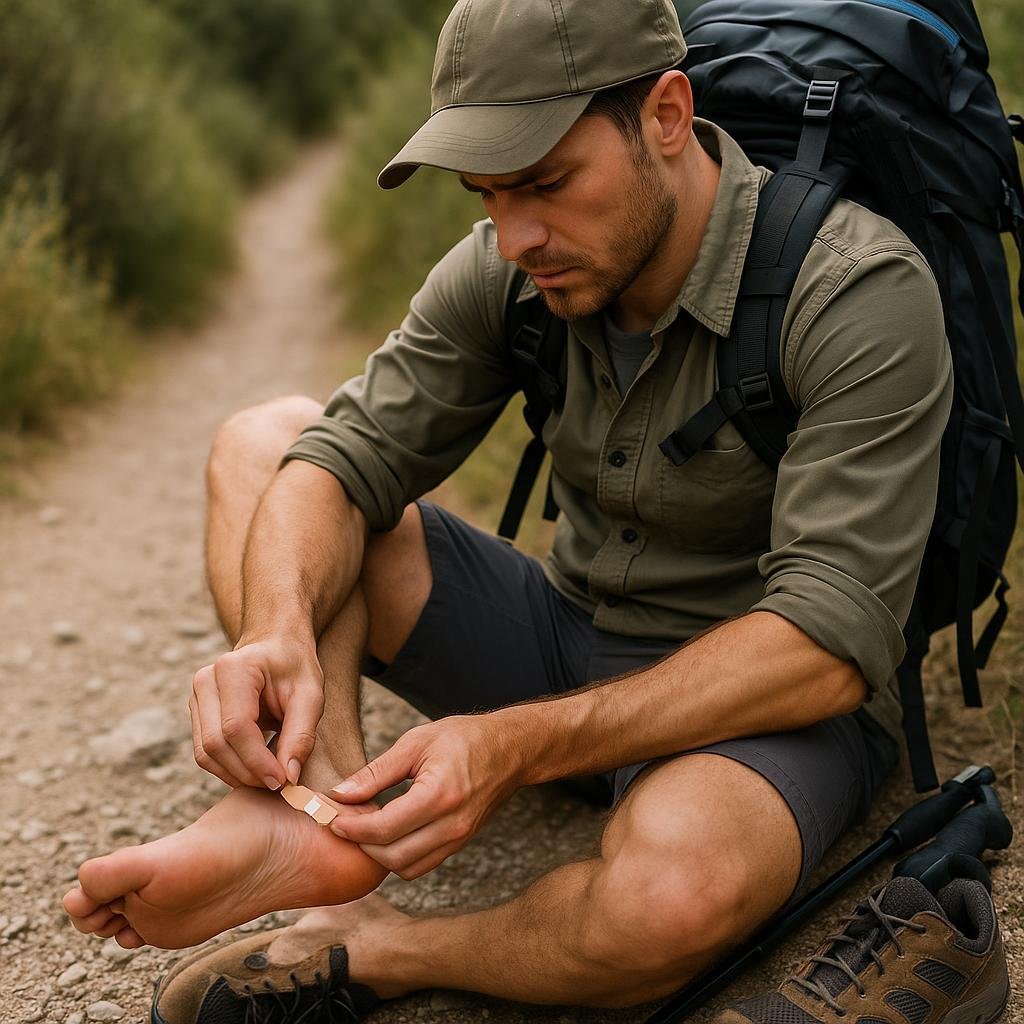
When should I treat a minor blister on trail?
Air feet, identify red area before fluid forms. Work steadily through this part of treat a minor blister on trail, pausing to double-check your work against the goal before moving on — most mistakes are caught when you slow down at transitions between stages. Note what worked in a phone memo so you can repeat the process faster next time.
How can I purify water while hiking?
Stagnant, downstream of grazing, or after rain runoff — higher contamination. Work steadily through this part of purify water while hiking, pausing to double-check your work against the goal before moving on — most mistakes are caught when you slow down at transitions between stages. Note what worked in a phone memo so you can repeat the process faster next time.
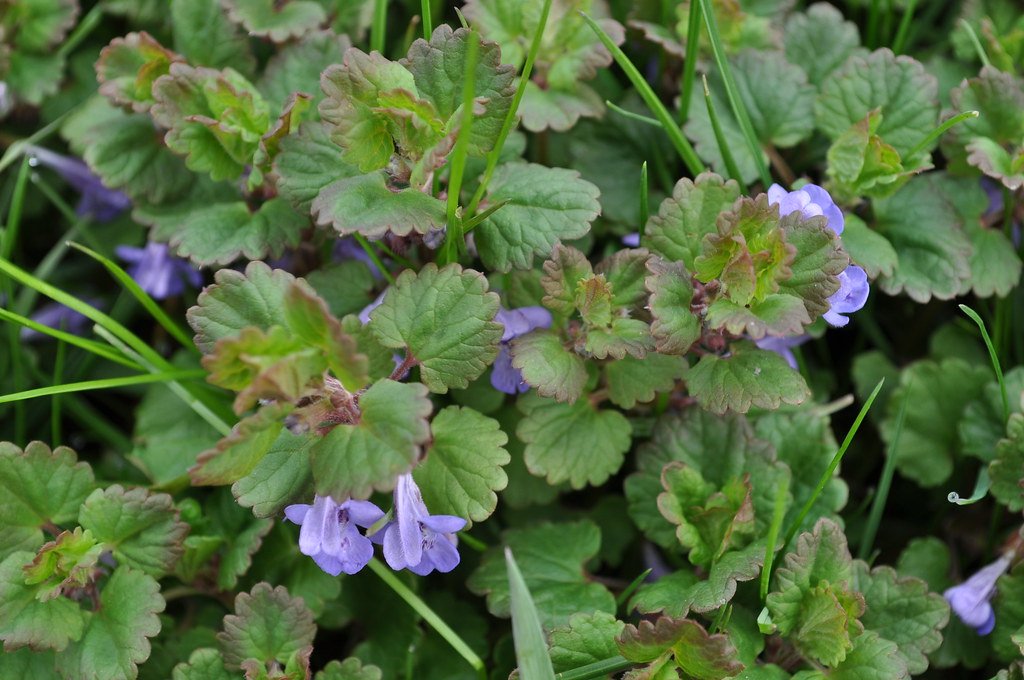
What is the best way to identify poison ivy?
Center leaflet longer stem. Notched or smooth edges vary. Work steadily through this part of identify poison ivy, pausing to double-check your work against the goal before moving on — most mistakes are caught when you slow down at transitions between stages. Note what worked in a phone memo so you can repeat the process faster next time.
Comments
Log in to comment.