

What is the best way to shoot in low light?
Quick Summary
Any bracing helps. Some phones stack night mode frames — hold still the full countdown. Work steadily through this part of shoot in low light, pausing to double-check your work against the goal before moving on — most mistakes are caught when you slow down at transitions between stages. Note what worked in a phone memo so you can repeat the process faster next time.
Steps
Stabilize: tripod, wall, or burst mode

Any bracing helps. Some phones stack night mode frames — hold still the full countdown. Work steadily through this part of shoot in low light, pausing to double-check your work against the goal before moving on — most mistakes are caught when you slow down at transitions between stages. Note what worked in a phone memo so you can repeat the process faster next time.
Open aperture and slow shutter consciously
f/1.4 and 1/30s might work for still subjects on a table. People need faster shutter or they blur. Work steadily through this part of shoot in low light, pausing to double-check your work against the goal before moving on — most mistakes are caught when you slow down at transitions between stages. Note what worked in a phone memo so you can repeat the process faster next time.
Raise ISO until exposure lands, noise be damned

Grain beats motion blur for memories. Modern cameras clean ISO 3200–6400 well with light NR in post. Work steadily through this part of shoot in low light, pausing to double-check your work against the goal before moving on — most mistakes are caught when you slow down at transitions between stages. Note what worked in a phone memo so you can repeat the process faster next time.
Find existing light sources

Neon signs, candles, and street lamps add mood. Face subjects toward light instead of lighting them from behind unless silhouettes are the goal. Work steadily through this part of shoot in low light, pausing to double-check your work against the goal before moving on — most mistakes are caught when you slow down at transitions between stages. Note what worked in a phone memo so you can repeat the process faster next time.
Use bounce flash off ceilings or walls

Direct on-camera flash looks like a driver's license photo. Bounce requires white ceilings and more flash power. Work steadily through this part of shoot in low light, pausing to double-check your work against the goal before moving on — most mistakes are caught when you slow down at transitions between stages. Note what worked in a phone memo so you can repeat the process faster next time.
Shoot RAW and expose to protect skin
Underexposed RAW gets noisy when lifted. Brighten slightly in camera if faces are too dark. Wear protection appropriate to the task — eye cover, gloves, or dust extraction where needed — and stop if something feels unsafe; calling a qualified professional early is cheaper than fixing damage from a rushed DIY attempt. Note what worked in a phone memo so you can repeat the process faster next time.
Convert to black and white if color noise fights you
Monochrome hides chroma noise and can make gritty night street work feel intentional. Work steadily through this part of shoot in low light, pausing to double-check your work against the goal before moving on — most mistakes are caught when you slow down at transitions between stages. Note what worked in a phone memo so you can repeat the process faster next time.
Sources and further reading
Facts, limits, and safety notes in this guide are cross-checked against the references below. Laws, fees, and product guidance change — always confirm details for your region before acting.
Background concepts and terminology
Wikipedia — Shoot in low light🔧 Troubleshooting
Camera shakes or blurriness in low light shots
Use a tripod or stabilize your camera on a solid surface to minimize movement. If a tripod is not available, try using a faster shutter speed or enabling image stabilization if your camera has that feature.
Excessive noise in photos taken at high ISO settings
Try using a lower ISO setting if possible, and compensate with a slower shutter speed or wider aperture. You can also use noise reduction software during post-processing to help clean up the image.
Camera shakes or blurry images in low light conditions.
Use a tripod or stabilize your camera on a solid surface to minimize movement. Alternatively, increase the shutter speed if possible, but be aware that this may require a higher ISO.
Excessive noise in low light photos.
Lower the ISO setting if possible, and use noise reduction software during post-processing. Additionally, consider shooting in RAW format to have more flexibility in editing.
❓ FAQs
Night mode vs manual?
Night mode is great handheld for static scenes. Moving kids or concerts need manual shutter speeds and accept blur or use flash.
Best affordable low-light lens?
A 35mm or 50mm f/1.8 on APS-C or full frame opens up indoor shooting more than any body upgrade.
What settings should I use for low light photography?
Start with a wide aperture (like f/1.8 or f/2.8), a slower shutter speed (1/60s or slower depending on stability), and increase the ISO to 800 or higher, but be mindful of noise.
How can I stabilize my camera for low light shots?
Use a tripod or a stable surface to minimize camera shake. If handheld, practice holding your breath while shooting or use image stabilization features if available.
What are some tips for shooting low light video?
Use a wide aperture, increase the frame rate to 24 or 30 fps for smoother motion, and consider using a gimbal or stabilizer to reduce shake.
Know a better way?
Suggest clearer steps, fix mistakes, or add detail you use in practice. Your edit is reviewed before it goes live.
Was this guide helpful?
Guide by How To Library
You might also like
Similar guides based on topic, category, and tags.

How do I shoot better portraits?
Open shade, golden hour, or a north-facing window gives flattering shadows. Direct overhead sun creates raccoon eyes and squinting. Shortlist two or three realistic options and compare total cost of ownership, not just upfront price — read recent verified reviews and check return policies before committing to expensive kit for shoot better portraits. Note what worked in a phone memo so you can repeat the process faster next time.

Is it possible to compose photos with rule of thirds?
Most devices hide it in display settings. Three-by-three overlay costs nothing and stays in your eye after you turn it off. Work steadily through this part of compose photos with rule of thirds, pausing to double-check your work against the goal before moving on — most mistakes are caught when you slow down at transitions between stages. Note what worked in a phone memo so you can repeat the process faster next time.
How can someone take sharp landscape photos?
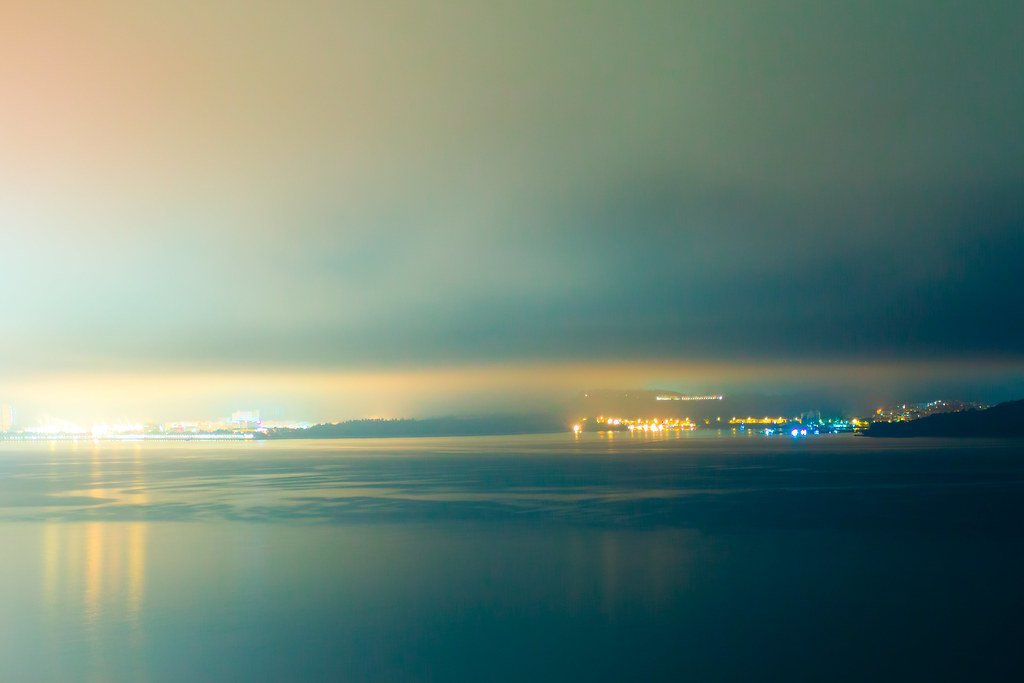
Walk the scene without the camera. Foreground anchor — rock, flowers, path — sells depth better than empty sky. Work steadily through this part of take sharp landscape photos, pausing to double-check your work against the goal before moving on — most mistakes are caught when you slow down at transitions between stages. Note what worked in a phone memo so you can repeat the process faster next time.
How do you edit photos on my phone?
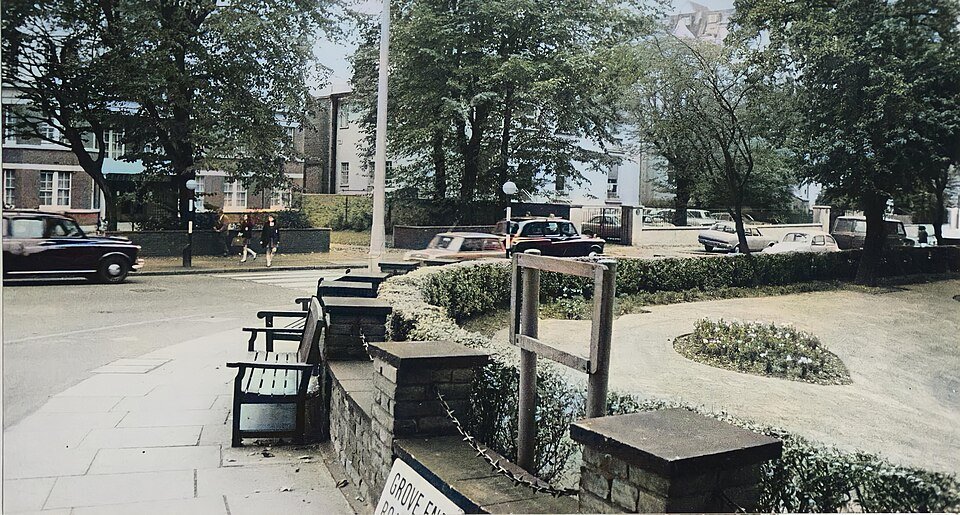
Fix tilted horizons before anything else. Crop to remove distractions at the edges — you will not miss that random elbow later. Work steadily through this part of edit photos on my phone, pausing to double-check your work against the goal before moving on — most mistakes are caught when you slow down at transitions between stages. Note what worked in a phone memo so you can repeat the process faster next time.
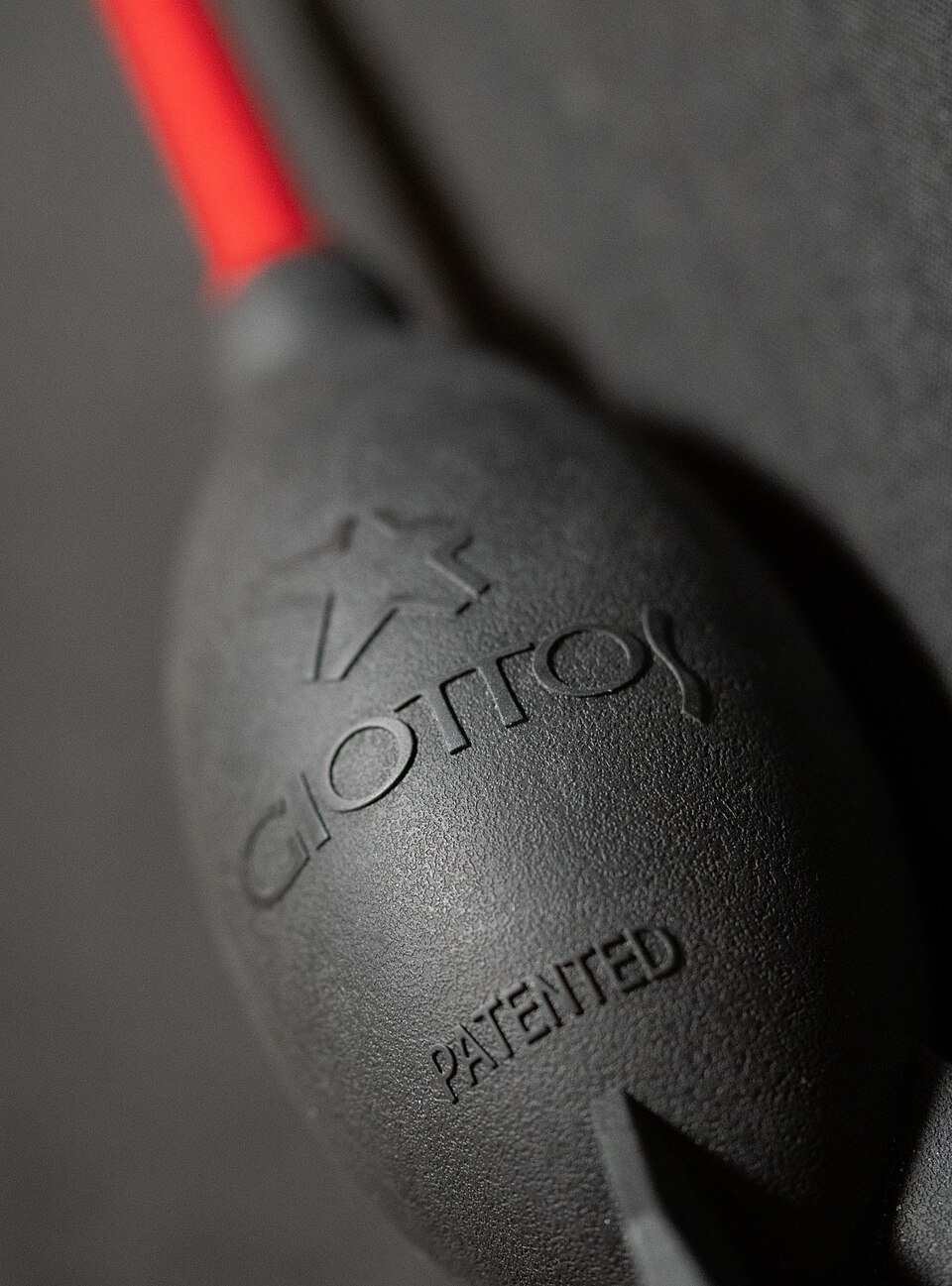
When should I clean a camera sensor safely?
Shoot a white wall at f/16. Same spot at every aperture points to sensor; spot only at one zoom setting is likely lens dust. Run a quick functional test at low stakes before committing fully — for clean a camera sensor safely, a short trial run reveals alignment, measurement, or configuration issues early when they are cheap to fix. Note what worked in a phone memo so you can repeat the process faster next time.
How does it work to set up a home photo studio?
Eight-foot ceilings limit standing full-body shots with overhead lights. Map outlets and extension cord paths to avoid tripping. Work steadily through this part of set up a home photo studio, pausing to double-check your work against the goal before moving on — most mistakes are caught when you slow down at transitions between stages. Note what worked in a phone memo so you can repeat the process faster next time.
Comments
Log in to comment.