

How do I shoot better portraits?

Quick Summary
Open shade, golden hour, or a north-facing window gives flattering shadows. Direct overhead sun creates raccoon eyes and squinting. Shortlist two or three realistic options and compare total cost of ownership, not just upfront price — read recent verified reviews and check return policies before committing to expensive kit for shoot better portraits. Note what worked in a phone memo so you can repeat the process faster next time.
Steps
Choose soft light over harsh noon sun

Open shade, golden hour, or a north-facing window gives flattering shadows. Direct overhead sun creates raccoon eyes and squinting. Shortlist two or three realistic options and compare total cost of ownership, not just upfront price — read recent verified reviews and check return policies before committing to expensive kit for shoot better portraits. Note what worked in a phone memo so you can repeat the process faster next time.
Set a wide aperture for background separation
f/1.8 to f/2.8 on a prime lens melts busy backgrounds. Focus on the nearest eye — if the eyes are sharp, the portrait works. Work steadily through this part of shoot better portraits, pausing to double-check your work against the goal before moving on — most mistakes are caught when you slow down at transitions between stages. Note what worked in a phone memo so you can repeat the process faster next time.
Frame with intentional headroom and lead space

Leave a little space in the direction they are looking. Centered faces feel mugshot; slight off-center feels editorial. Work steadily through this part of shoot better portraits, pausing to double-check your work against the goal before moving on — most mistakes are caught when you slow down at transitions between stages. Note what worked in a phone memo so you can repeat the process faster next time.
Direct posture and hands

Ask them to push chin slightly forward and down — it defines the jawline. Give hands a job: hold a mug, pocket, or cross arms loosely. Work steadily through this part of shoot better portraits, pausing to double-check your work against the goal before moving on — most mistakes are caught when you slow down at transitions between stages. Note what worked in a phone memo so you can repeat the process faster next time.
Shoot in bursts during genuine reactions

Tell a story or ask them to describe something funny. The frame after the posed smile is often the keeper. Work steadily through this part of shoot better portraits, pausing to double-check your work against the goal before moving on — most mistakes are caught when you slow down at transitions between stages. Note what worked in a phone memo so you can repeat the process faster next time.
Check catchlights in the eyes
A visible sparkle means you found good light. No catchlight often means flat, lifeless eyes even if exposure is correct. Run a quick functional test at low stakes before committing fully — for shoot better portraits, a short trial run reveals alignment, measurement, or configuration issues early when they are cheap to fix. Note what worked in a phone memo so you can repeat the process faster next time.
Cull ruthlessly and edit skin lightly
Keep expressions with connection; delete blinkers. Reduce clarity on skin slightly instead of heavy smoothing — plastic skin ages poorly. Work steadily through this part of shoot better portraits, pausing to double-check your work against the goal before moving on — most mistakes are caught when you slow down at transitions between stages. Note what worked in a phone memo so you can repeat the process faster next time.
Sources and further reading
Facts, limits, and safety notes in this guide are cross-checked against the references below. Laws, fees, and product guidance change — always confirm details for your region before acting.
Background concepts and terminology
Wikipedia — Shoot better portraits🔧 Troubleshooting
Subject appears too dark or underexposed in portraits.
Check your camera settings to ensure the exposure is set correctly. Use a higher ISO, open the aperture wider, or slow down the shutter speed to allow more light into the camera. Consider using a reflector to bounce light onto the subject.
Background is distracting or cluttered in portraits.
Choose a simpler background that complements the subject. Use a wider aperture to create a shallow depth of field, which blurs the background. Alternatively, change your shooting angle or position to minimize distractions.
❓ FAQs
What lens for beginners?
A 50mm f/1.8 is cheap, sharp, and forces you to think about distance. On crop sensors it behaves like a 75mm portrait lens.
Flash or natural light only?
Start with window light until you understand direction. One bounced speedlight off a ceiling is the next step, not on-camera direct flash.
What settings should I use for portrait photography?
Start with a wide aperture (like f/1.8 or f/2.8) to create a shallow depth of field, keeping your subject in focus while blurring the background. Use a shutter speed of at least 1/125s to avoid motion blur, and adjust your ISO based on the lighting conditions.
How do I make my subjects feel comfortable?
Engage in conversation, give them direction on poses, and encourage them to express themselves. A relaxed subject will yield more natural and authentic expressions.
What background should I choose for portraits?
Select a background that complements your subject without being distracting. Simple, uncluttered backgrounds often work best, or consider using a blurred background to keep the focus on your subject.
Know a better way?
Suggest clearer steps, fix mistakes, or add detail you use in practice. Your edit is reviewed before it goes live.
Was this guide helpful?
Guide by How To Library
You might also like
Similar guides based on topic, category, and tags.
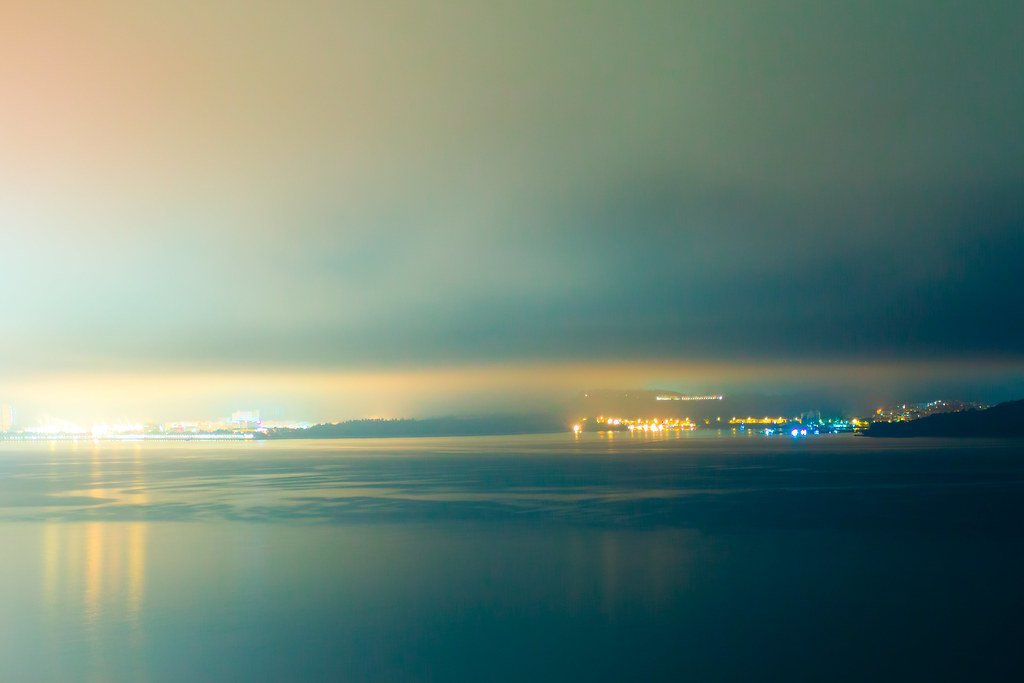
How can someone take sharp landscape photos?
Walk the scene without the camera. Foreground anchor — rock, flowers, path — sells depth better than empty sky. Work steadily through this part of take sharp landscape photos, pausing to double-check your work against the goal before moving on — most mistakes are caught when you slow down at transitions between stages. Note what worked in a phone memo so you can repeat the process faster next time.
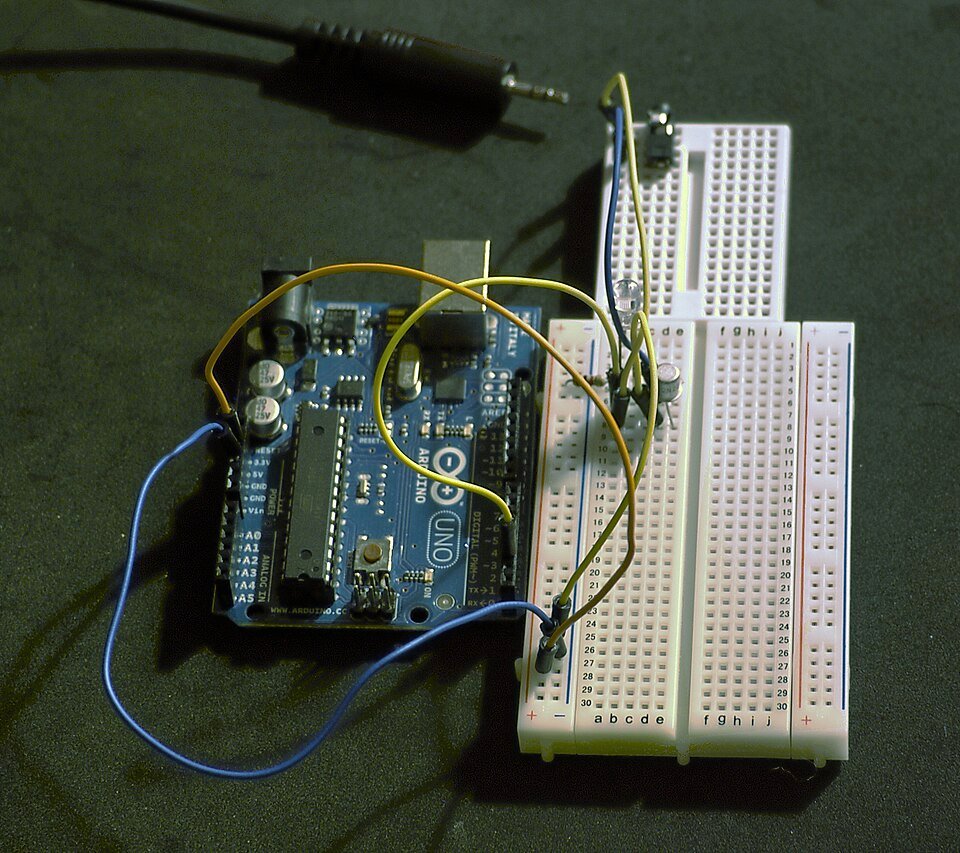
How can I use manual camera mode?
Aperture controls depth, shutter freezes or blurs motion, ISO adds brightness with noise. Change one, compensate with another to hold exposure. Work steadily through this part of use manual camera mode, pausing to double-check your work against the goal before moving on — most mistakes are caught when you slow down at transitions between stages. Note what worked in a phone memo so you can repeat the process faster next time.

Is it possible to compose photos with rule of thirds?
Most devices hide it in display settings. Three-by-three overlay costs nothing and stays in your eye after you turn it off. Work steadily through this part of compose photos with rule of thirds, pausing to double-check your work against the goal before moving on — most mistakes are caught when you slow down at transitions between stages. Note what worked in a phone memo so you can repeat the process faster next time.
How do you edit photos on my phone?
Fix tilted horizons before anything else. Crop to remove distractions at the edges — you will not miss that random elbow later. Work steadily through this part of edit photos on my phone, pausing to double-check your work against the goal before moving on — most mistakes are caught when you slow down at transitions between stages. Note what worked in a phone memo so you can repeat the process faster next time.

What is the best way to shoot in low light?
Any bracing helps. Some phones stack night mode frames — hold still the full countdown. Work steadily through this part of shoot in low light, pausing to double-check your work against the goal before moving on — most mistakes are caught when you slow down at transitions between stages. Note what worked in a phone memo so you can repeat the process faster next time.

What do I need to organize a photo library?
Lightroom Classic, Apple Photos, or Google Photos — choose one master catalog and stick with it. Work steadily through this part of organize a photo library, pausing to double-check your work against the goal before moving on — most mistakes are caught when you slow down at transitions between stages. Note what worked in a phone memo so you can repeat the process faster next time.
Comments
Log in to comment.