

How do I set up a tent in wind?
Quick Summary
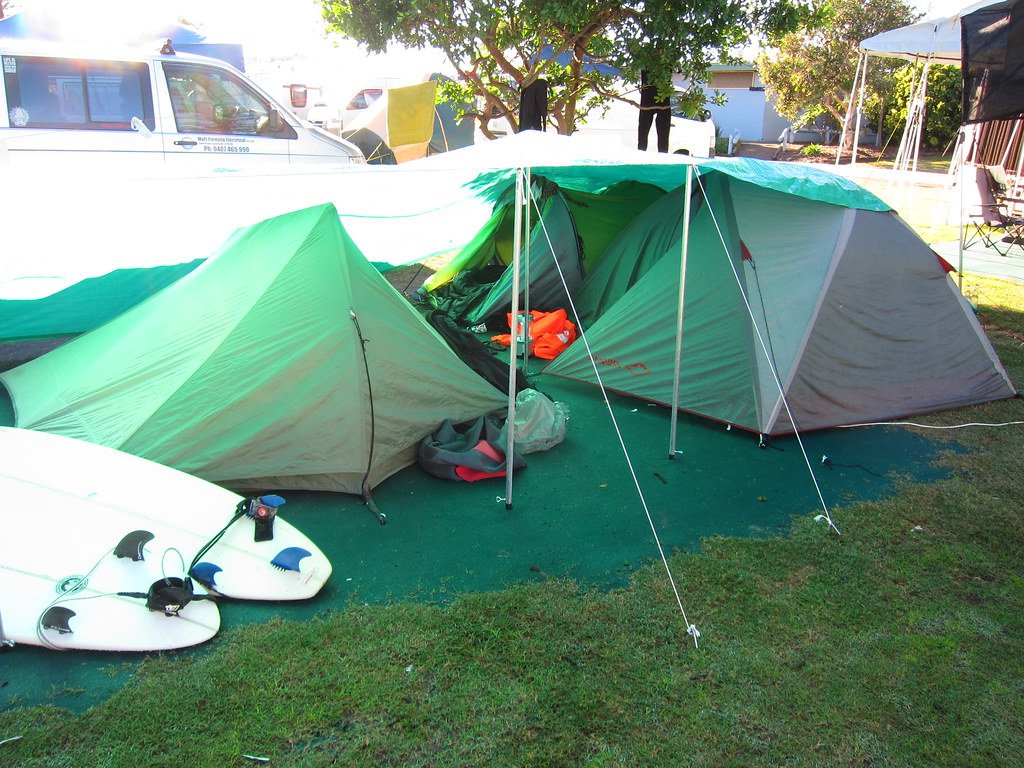
Trees, boulder, ridge — not ridge top exposure. Note prevailing wind direction. Shortlist two or three realistic options and compare total cost of ownership, not just upfront price — read recent verified reviews and check return policies before committing to expensive kit for set up a tent in wind. Note what worked in a phone memo so you can repeat the process faster next time.
⚠️ Warnings
Steps
Choose sheltered site behind natural windbreak

Trees, boulder, ridge — not ridge top exposure. Note prevailing wind direction. Shortlist two or three realistic options and compare total cost of ownership, not just upfront price — read recent verified reviews and check return policies before committing to expensive kit for set up a tent in wind. Note what worked in a phone memo so you can repeat the process faster next time.
Assemble poles and body before staking in calm if possible
Partner holds tent while you stake — flying nylon kites you. Work steadily through this part of set up a tent in wind, pausing to double-check your work against the goal before moving on — most mistakes are caught when you slow down at transitions between stages. Note what worked in a phone memo so you can repeat the process faster next time.
Stake downwind corners first

Wind pushes tent onto stakes not off. Work steadily through this part of set up a tent in wind, pausing to double-check your work against the goal before moving on — most mistakes are caught when you slow down at transitions between stages. Note what worked in a phone memo so you can repeat the process faster next time.
Angle stakes forty-five degrees away from tent

Rock hammer or foot — vertical stakes pull out. Work steadily through this part of set up a tent in wind, pausing to double-check your work against the goal before moving on — most mistakes are caught when you slow down at transitions between stages. Note what worked in a phone memo so you can repeat the process faster next time.
Tighten guylines evenly all around

Twist tensioners until drum-tight — re-tighten before sleep. Work steadily through this part of set up a tent in wind, pausing to double-check your work against the goal before moving on — most mistakes are caught when you slow down at transitions between stages. Note what worked in a phone memo so you can repeat the process faster next time.
Orient door away from wind
Rain and grit blast through leeward door less. Work steadily through this part of set up a tent in wind, pausing to double-check your work against the goal before moving on — most mistakes are caught when you slow down at transitions between stages. Note what worked in a phone memo so you can repeat the process faster next time.
Store gear inside edges as wind weights
Backpacks along walls add ballast. Clean tools before storage, label containers, and schedule any follow-up maintenance — good aftercare keeps set up a tent in wind reliable for months rather than a one-off success. Note what worked in a phone memo so you can repeat the process faster next time.
Sources and further reading
Facts, limits, and safety notes in this guide are cross-checked against the references below. Laws, fees, and product guidance change — always confirm details for your region before acting.
Background concepts and terminology
Wikipedia — Set up a tent in wind🔧 Troubleshooting
Tent collapses despite being staked down properly.
Check if the stakes are securely anchored in the ground. If the soil is loose or sandy, consider using longer stakes or additional weights, such as rocks, to keep the tent stable. Additionally, ensure that all guy lines are taut and properly adjusted.
Tent door flaps excessively in the wind.
Secure the tent door with additional ties or clips to minimize flapping. You can also use a windbreak, such as a tarp or natural barriers like bushes, to shield the tent from direct wind. If possible, orient the tent door away from the wind direction.
Tent stakes keep pulling out of the ground in windy conditions.
Use longer or heavier-duty stakes designed for high winds, and ensure they are driven in at a 45-degree angle away from the tent for maximum hold.
Tent fabric flaps loudly in the wind, making it hard to sleep.
Use guy lines to secure the tent more tightly and reduce flapping. Additionally, consider using a tent with a built-in windbreak or adding a tarp as a wind barrier.
❓ FAQs
Sand or snow stakes?
Sand anchors or bury deadman bags. Snow flukes specific.
Pop-up tent in wind?
Avoid — freestanding domes need full stake and guy setup.
What is the best way to orient my tent in windy conditions?
Always position the tent door away from the wind to minimize exposure and potential damage.
How can I reinforce my tent against strong winds?
Use extra guylines, add weight to the tent corners with rocks or bags, and ensure all stakes are securely anchored.
What materials are best for a wind-resistant tent?
Look for tents made with durable, ripstop nylon or polyester, and those with a low-profile design to reduce wind resistance.
Know a better way?
Suggest clearer steps, fix mistakes, or add detail you use in practice. Your edit is reviewed before it goes live.
Was this guide helpful?
Guide by How To Library
You might also like
Similar guides based on topic, category, and tags.
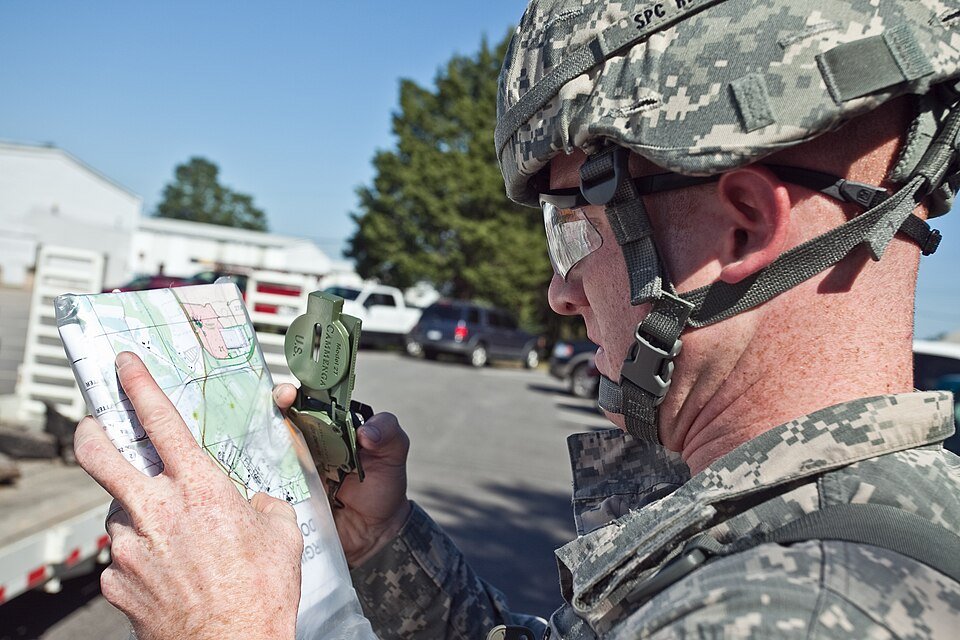
What do I need to use a compass without gps?
Rotate bezel until orienting arrow aligns with needle red north. Measure twice and mark clearly in pencil or tape — small errors compound through later stages of use a compass without gps, especially where parts are cut to length or drilled in place. Note what worked in a phone memo so you can repeat the process faster next time.

Is it possible to plan a first backpacking trip?
National forest beginner loops — check recent trip reports. Work steadily through this part of plan a first backpacking trip, pausing to double-check your work against the goal before moving on — most mistakes are caught when you slow down at transitions between stages. Note what worked in a phone memo so you can repeat the process faster next time.
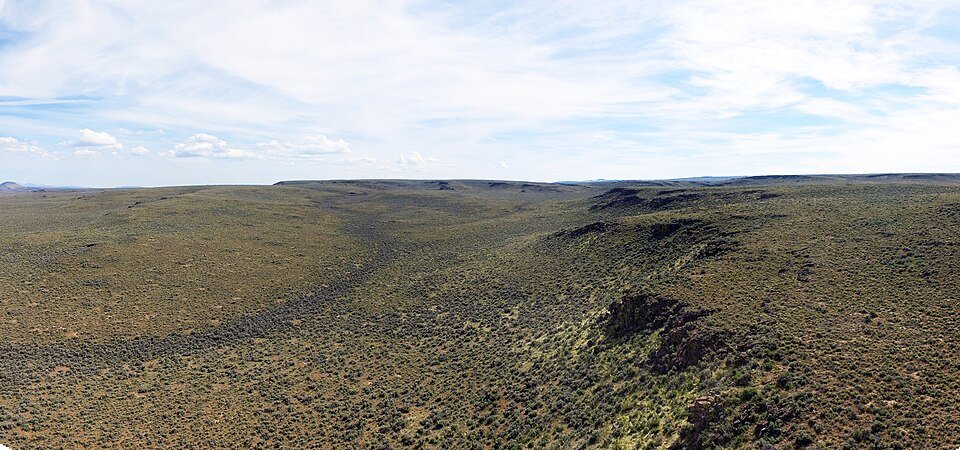
How can someone read a topographic map?
Rotate map until north aligns — terrain matches reality. Work steadily through this part of read a topographic map, pausing to double-check your work against the goal before moving on — most mistakes are caught when you slow down at transitions between stages. Note what worked in a phone memo so you can repeat the process faster next time.
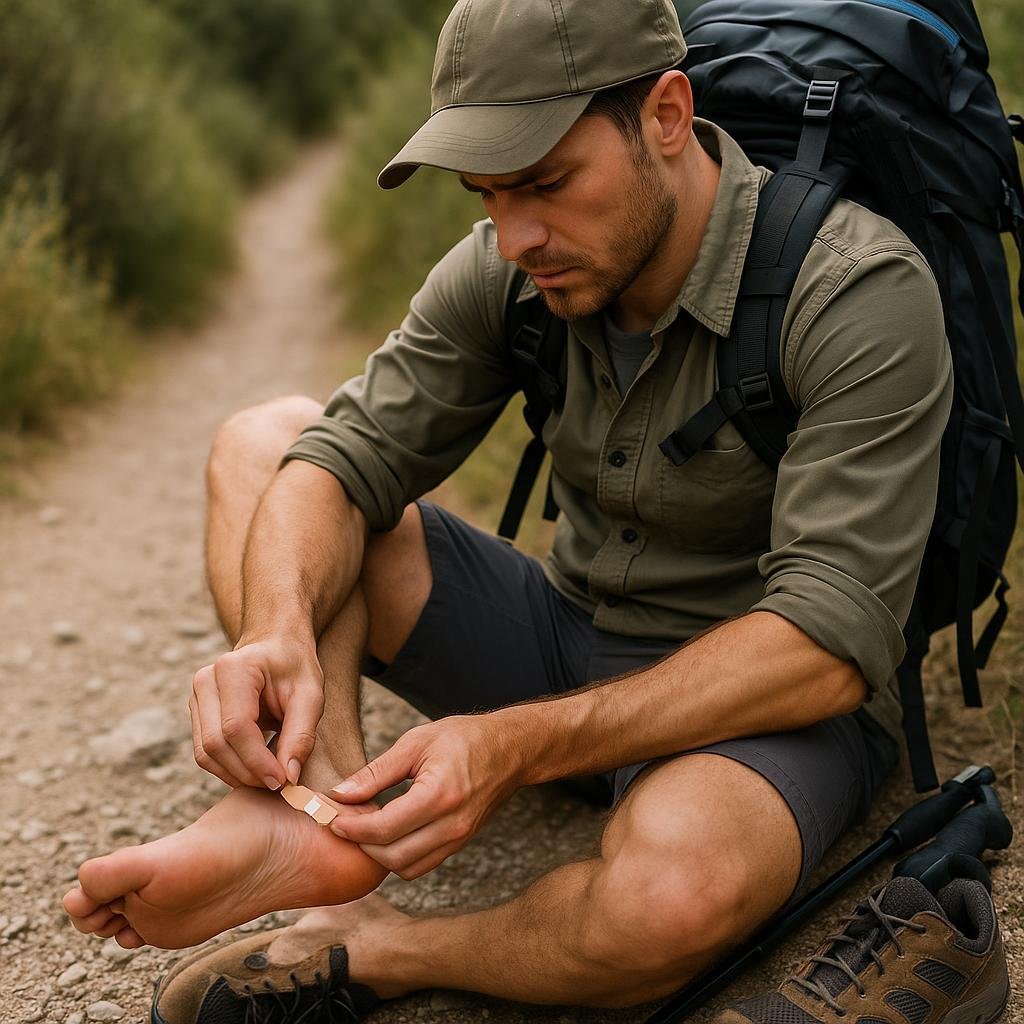
When should I treat a minor blister on trail?
Air feet, identify red area before fluid forms. Work steadily through this part of treat a minor blister on trail, pausing to double-check your work against the goal before moving on — most mistakes are caught when you slow down at transitions between stages. Note what worked in a phone memo so you can repeat the process faster next time.
How can I purify water while hiking?
Stagnant, downstream of grazing, or after rain runoff — higher contamination. Work steadily through this part of purify water while hiking, pausing to double-check your work against the goal before moving on — most mistakes are caught when you slow down at transitions between stages. Note what worked in a phone memo so you can repeat the process faster next time.
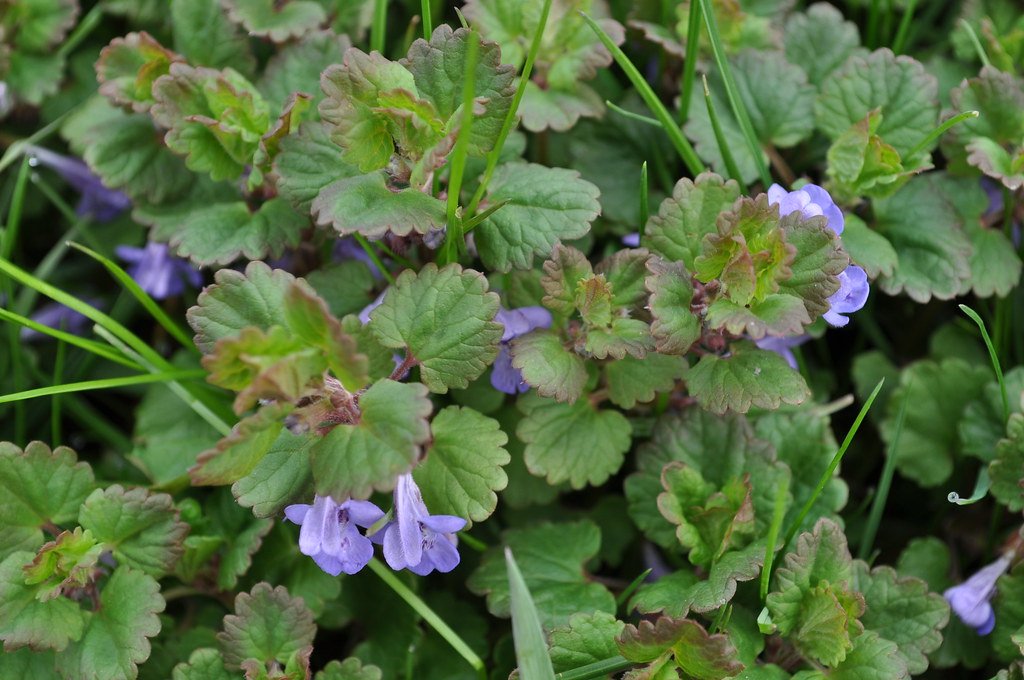
What is the best way to identify poison ivy?
Center leaflet longer stem. Notched or smooth edges vary. Work steadily through this part of identify poison ivy, pausing to double-check your work against the goal before moving on — most mistakes are caught when you slow down at transitions between stages. Note what worked in a phone memo so you can repeat the process faster next time.
Comments
Log in to comment.