

When should I clean a cat litter box properly?
Quick Summary
Shake sifter gently so clean litter falls back. Toss waste in a sealed bag, not the kitchen trash if odor bothers you. Work steadily through this part of clean a cat litter box properly, pausing to double-check your work against the goal before moving on — most mistakes are caught when you slow down at transitions between stages. Note what worked in a phone memo so you can repeat the process faster next time.
⚠️ Warnings
Steps
Scoop solid waste and clumps twice daily

Shake sifter gently so clean litter falls back. Toss waste in a sealed bag, not the kitchen trash if odor bothers you. Work steadily through this part of clean a cat litter box properly, pausing to double-check your work against the goal before moving on — most mistakes are caught when you slow down at transitions between stages. Note what worked in a phone memo so you can repeat the process faster next time.
Top off litter to maintain two-inch depth

Low litter makes scraping sounds cats hate and exposes the box bottom. Clean tools before storage, label containers, and schedule any follow-up maintenance — good aftercare keeps clean a cat litter box properly reliable for months rather than a one-off success. Note what worked in a phone memo so you can repeat the process faster next time.
Monthly dump litter completely outdoors

Do not dump clumping litter down toilets — it swells and blocks pipes even if the bag says flushable. Work steadily through this part of clean a cat litter box properly, pausing to double-check your work against the goal before moving on — most mistakes are caught when you slow down at transitions between stages. Note what worked in a phone memo so you can repeat the process faster next time.
Scrub box with mild dish soap and hot water

Skip bleach and ammonia — cats reject the smell. Dry fully before refilling; damp litter clumps instantly. Work steadily through this part of clean a cat litter box properly, pausing to double-check your work against the goal before moving on — most mistakes are caught when you slow down at transitions between stages. Note what worked in a phone memo so you can repeat the process faster next time.
Replace the box yearly if plastic is scored

Micro-scratches hold odor forever no matter how you scrub. Large enough box: cat length from nose to tail base. Work steadily through this part of clean a cat litter box properly, pausing to double-check your work against the goal before moving on — most mistakes are caught when you slow down at transitions between stages. Note what worked in a phone memo so you can repeat the process faster next time.
Wash scoops and mats on the same schedule
Tracking mats get litter crust — shake outside then machine wash if tag allows. Work steadily through this part of clean a cat litter box properly, pausing to double-check your work against the goal before moving on — most mistakes are caught when you slow down at transitions between stages. Note what worked in a phone memo so you can repeat the process faster next time.
Sources and further reading
Facts, limits, and safety notes in this guide are cross-checked against the references below. Laws, fees, and product guidance change — always confirm details for your region before acting.
Trusted UK pet health charity
PDSA — Pet care advice🔧 Troubleshooting
Litter box odors persist despite daily scooping.
Ensure you are using a high-quality clumping litter that controls odors effectively. Additionally, try adding baking soda to the litter to absorb smells, and ensure the box is cleaned thoroughly once a month.
Cat refuses to use the litter box after cleaning.
Cats can be sensitive to changes in their environment. After cleaning, ensure the litter box is in a quiet, accessible location and consider using the same type of litter. Gradually reintroduce the box by placing it in a familiar spot and ensuring it is not too deep or too clean, as some cats prefer a bit of residual scent.
Litter box smells bad even after cleaning
Ensure you are using a high-quality clumping litter that controls odors. Additionally, clean the litter box with a mild detergent and water regularly, and consider using an odor-neutralizing spray specifically designed for pet areas.
Cat refuses to use the litter box after cleaning
Check if the litter box is clean enough and if the litter type is suitable for your cat. Some cats are sensitive to changes in their environment. Try using the same type of litter they are accustomed to and ensure the box is placed in a quiet, accessible location.
❓ FAQs
Litter still smells after cleaning?
Try a different litter type or add another box. Persistent odor with straining cat means vet visit.
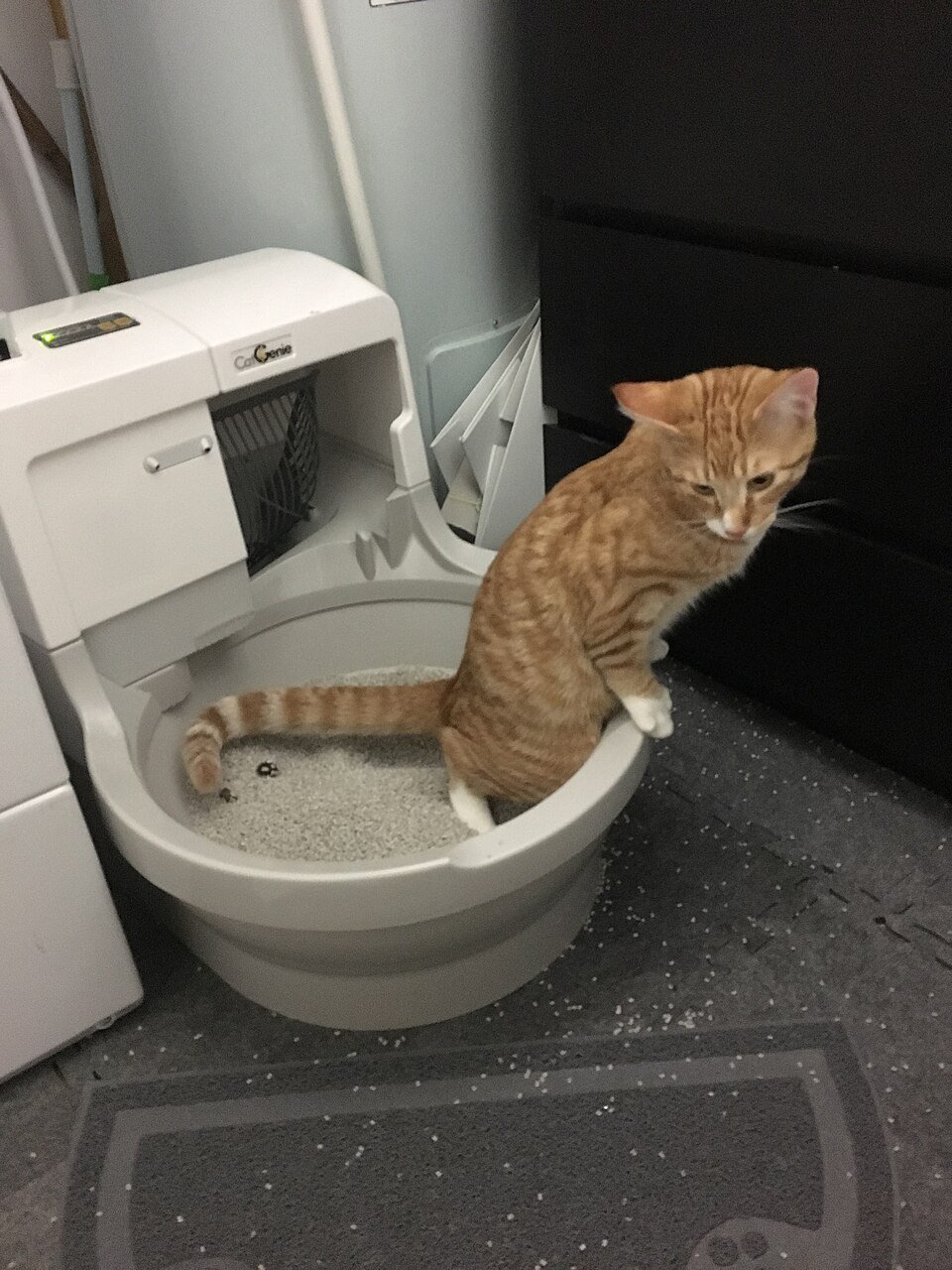
Automatic boxes worth it?
Some cats fear mechanisms. Keep a traditional box available until you know your cat accepts it.
How often should I completely change the litter?
It's recommended to completely change the litter every 2-3 weeks, depending on the number of cats and their habits.
What cleaning supplies are safe for my cat's litter box?
Use unscented, non-toxic cleaners like vinegar or baking soda. Avoid harsh chemicals that could harm your cat.
Can I use clumping litter with a traditional box?
Yes, clumping litter works well in traditional boxes and makes it easier to scoop out waste.
How can I reduce litter tracking outside the box?
Consider using a litter mat to catch stray litter. You can also try a box with higher sides or a covered litter box to minimize tracking.
What should I do if my cat refuses to use the litter box after cleaning?
Ensure the box is in a quiet, accessible location. Check for any changes in the litter type or cleaning products used that might deter your cat.
Is it necessary to wash the litter box itself?
Yes, it's good practice to wash the litter box with warm water and mild soap every month to prevent bacteria buildup and odors.
Know a better way?
Suggest clearer steps, fix mistakes, or add detail you use in practice. Your edit is reviewed before it goes live.
Was this guide helpful?
Guide by How To Library
You might also like
Similar guides based on topic, category, and tags.

How can someone remove pet hair from furniture?
Loose hair lifts easier dry than wet. Go slow on cushions and crevice seams where fur packs in. Work steadily through this part of remove pet hair from furniture, pausing to double-check your work against the goal before moving on — most mistakes are caught when you slow down at transitions between stages. Note what worked in a phone memo so you can repeat the process faster next time.

How do you litter train a kitten?
Avoid loud laundry rooms and high-traffic halls. Kittens need easy entry — a shallow disposable tray works for week one. Shortlist two or three realistic options and compare total cost of ownership, not just upfront price — read recent verified reviews and check return policies before committing to expensive kit for litter train a kitten. Note what worked in a phone memo so you can repeat the process faster next time.

When should I recognize pet dehydration signs?
Healthy gums are wet and pink. Tacky or pale gums warrant water and shade immediately. Run a quick functional test at low stakes before committing fully — for recognize pet dehydration signs, a short trial run reveals alignment, measurement, or configuration issues early when they are cheap to fix. Note what worked in a phone memo so you can repeat the process faster next time.

What is the best way to set up a freshwater aquarium?
Uneven stands crack glass under water weight. Gravel or sand gets a hose rinse until water runs clear — no soap ever. Measure twice and mark clearly in pencil or tape — small errors compound through later stages of set up a freshwater aquarium, especially where parts are cut to length or drilled in place. Note what worked in a phone memo so you can repeat the process faster next time.

What do I need to leash train a puppy?
Harnesses with front clips reduce pulling on eager breeds. Two fingers should fit under any strap. Work steadily through this part of leash train a puppy, pausing to double-check your work against the goal before moving on — most mistakes are caught when you slow down at transitions between stages. Note what worked in a phone memo so you can repeat the process faster next time.

How do I trim a dog's nails safely?
Use scissor-style or guillotine clippers sized for your dog. Dull blades crush nails instead of cutting clean. Lay out everything you need within arm's reach and read the full sequence once before starting trim a dog's nails safely — missing a single tool mid-task is the main reason simple jobs overrun their time estimate. Note what worked in a phone memo so you can repeat the process faster next time.
Comments
Log in to comment.