

When should I choose fabric for beginners?
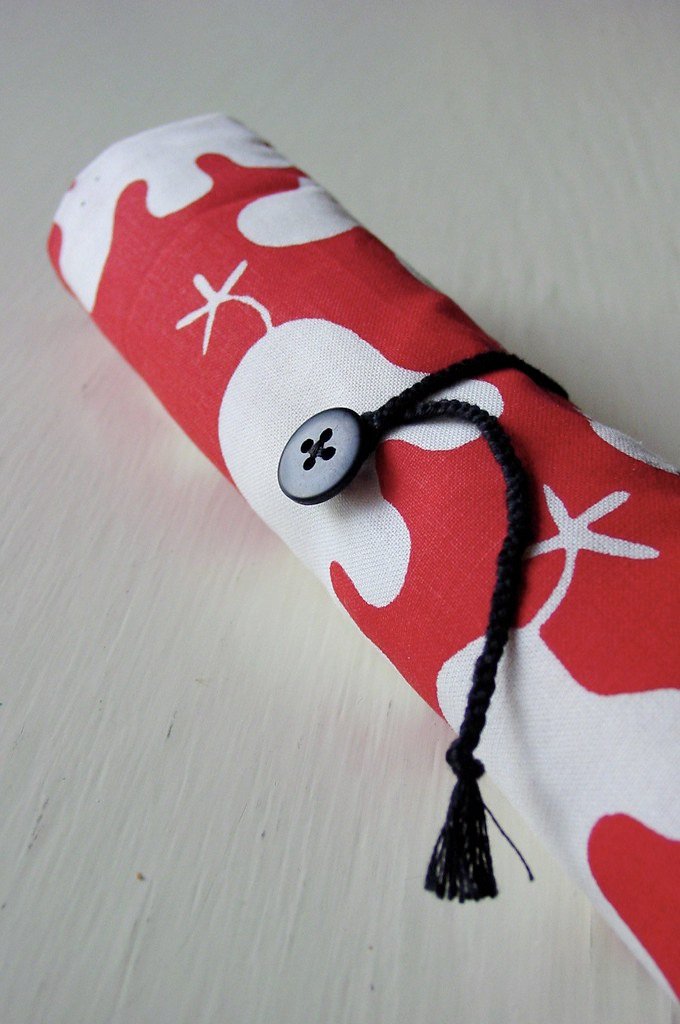
Quick Summary
Woven vs knit. Work steadily through this part of choose fabric for beginners, pausing to double-check your work against the goal before moving on — most mistakes are caught when you slow down at transitions between stages. Note what worked in a phone memo so you can repeat the process faster next time.
Steps
Read bolt label content width

Woven vs knit. Work steadily through this part of choose fabric for beginners, pausing to double-check your work against the goal before moving on — most mistakes are caught when you slow down at transitions between stages. Note what worked in a phone memo so you can repeat the process faster next time.
Hold light drape test
Project appropriate. Run a quick functional test at low stakes before committing fully — for choose fabric for beginners, a short trial run reveals alignment, measurement, or configuration issues early when they are cheap to fix. Note what worked in a phone memo so you can repeat the process faster next time.
Pre-wash shrink

Same laundry future. Work steadily through this part of choose fabric for beginners, pausing to double-check your work against the goal before moving on — most mistakes are caught when you slow down at transitions between stages. Note what worked in a phone memo so you can repeat the process faster next time.
Start cotton broadcloth calico
Forgiving. Work steadily through this part of choose fabric for beginners, pausing to double-check your work against the goal before moving on — most mistakes are caught when you slow down at transitions between stages. Note what worked in a phone memo so you can repeat the process faster next time.
Sources and further reading
Facts, limits, and safety notes in this guide are cross-checked against the references below. Laws, fees, and product guidance change — always confirm details for your region before acting.
Sewing techniques reference
Sew Essential — Techniques🔧 Troubleshooting
Fabric slipping while cutting or sewing.
Ensure you are using a rotary cutter and mat for clean cuts. Use fabric weights or pins to secure the fabric on the cutting mat and while sewing to prevent slipping.
Choosing the wrong type of fabric for a beginner project.
Stick to quilting cotton or other stable fabrics for your first projects. Avoid slippery or stretchy fabrics like silk or jersey until you gain more experience.
Choosing a fabric that is too slippery or stretchy for beginners.
Opt for quilting cotton or other stable fabrics that are easy to handle and won't shift while sewing.
Fabric fraying during the cutting process.
Use pinking shears or finish the edges with a zigzag stitch to prevent fraying before you start sewing.
Difficulty distinguishing between woven and knit fabrics.
Woven fabrics have a tighter structure and do not stretch, while knit fabrics are made of interlocking loops and have more stretch. To identify them, try pulling on the fabric; if it stretches easily, it's likely a knit. If it retains its shape, it's a woven.
Fabric fraying during cutting.
To prevent fraying, use sharp fabric scissors and cut slowly. You can also apply a fray check solution to the edges of the fabric after cutting, or finish the edges with a serger or zigzag stitch to secure them.
❓ FAQs
Stretch?
Ballpoint needle jersey.
Thread match?
Darker slightly hides.
What types of fabric are best for beginners?
Quilting cotton, cotton blends, and linen are excellent choices for beginners due to their stability and ease of handling.
How do I know if a fabric is suitable for my project?
Consider the fabric's weight, drape, and intended use; for example, lightweight fabrics are better for garments, while heavier fabrics work well for home decor.
What should I avoid when choosing fabric as a beginner?
Avoid slippery fabrics like silk or satin, as they can be difficult to sew and manipulate, leading to frustration in your first projects.
What tools do I need for working with fabric as a beginner?
Basic tools include fabric scissors, pins, a rotary cutter, a cutting mat, and a sewing machine with a universal needle.
How do I pre-wash my fabric before sewing?
Pre-wash your fabric by washing it in cold water and tumble drying it on low to prevent shrinkage and remove any chemicals.
Can I mix different types of fabric in one project?
It's best to stick to similar types of fabric for a project, as different fabrics can behave differently when sewn together, which may lead to issues.
Know a better way?
Suggest clearer steps, fix mistakes, or add detail you use in practice. Your edit is reviewed before it goes live.
Was this guide helpful?
Guide by How To Library
You might also like
Similar guides based on topic, category, and tags.

How can I thread a sewing machine?
Tension open. Work steadily through this part of thread a sewing machine, pausing to double-check your work against the goal before moving on — most mistakes are caught when you slow down at transitions between stages. Note what worked in a phone memo so you can repeat the process faster next time.
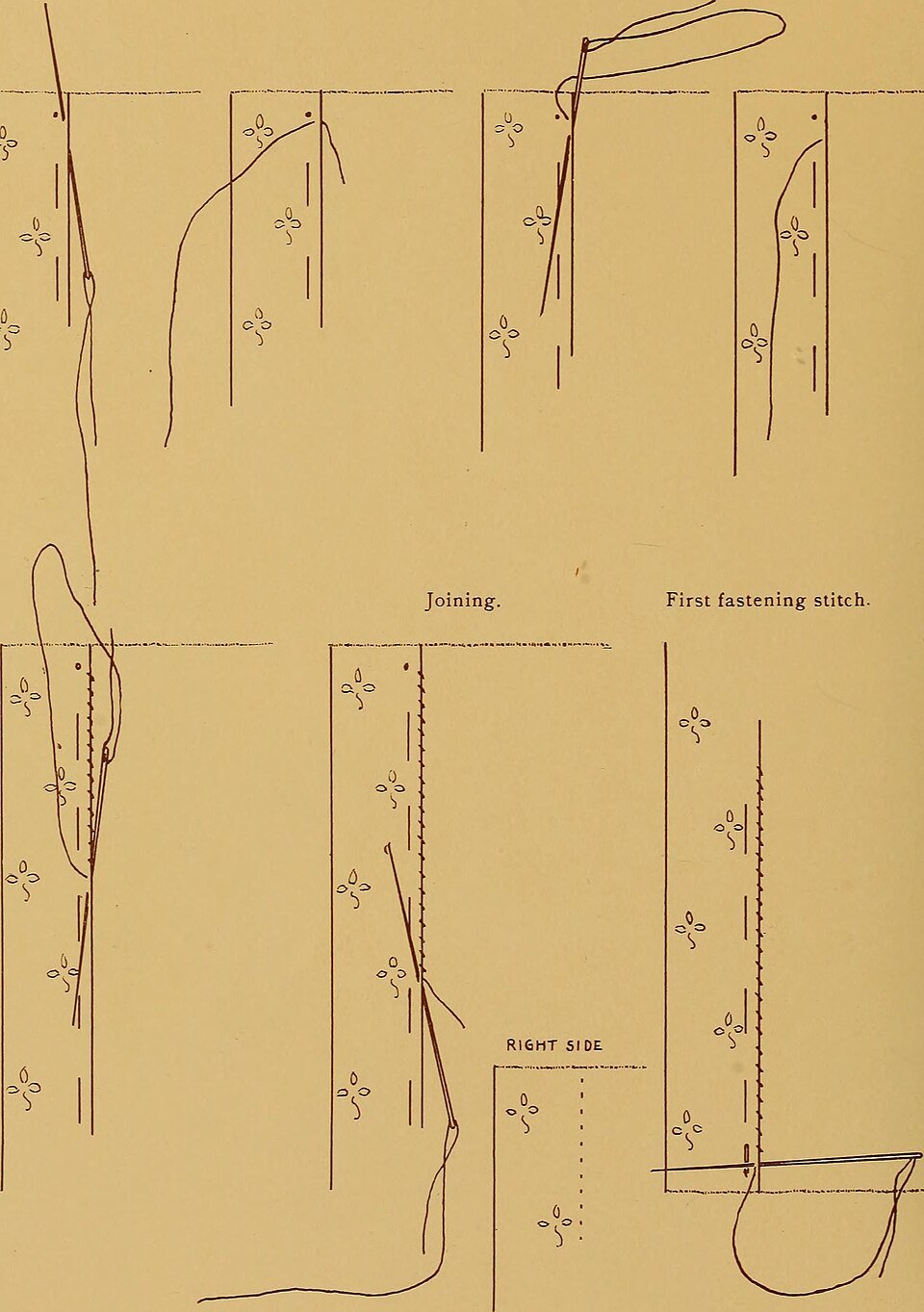
How do I sew a straight hem by hand?
Pins horizontal. Measure twice and mark clearly in pencil or tape — small errors compound through later stages of sew a straight hem by hand, especially where parts are cut to length or drilled in place. Note what worked in a phone memo so you can repeat the process faster next time.
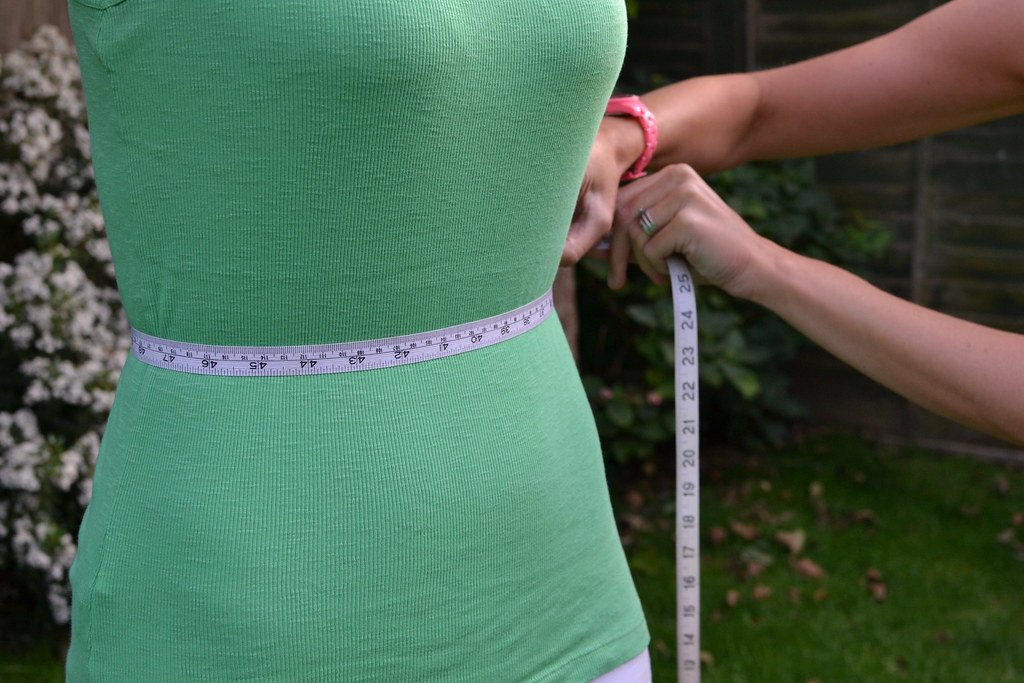
How can someone take body measurements for clothes?
Stand natural. Work steadily through this part of take body measurements for clothes, pausing to double-check your work against the goal before moving on — most mistakes are caught when you slow down at transitions between stages. Note what worked in a phone memo so you can repeat the process faster next time.
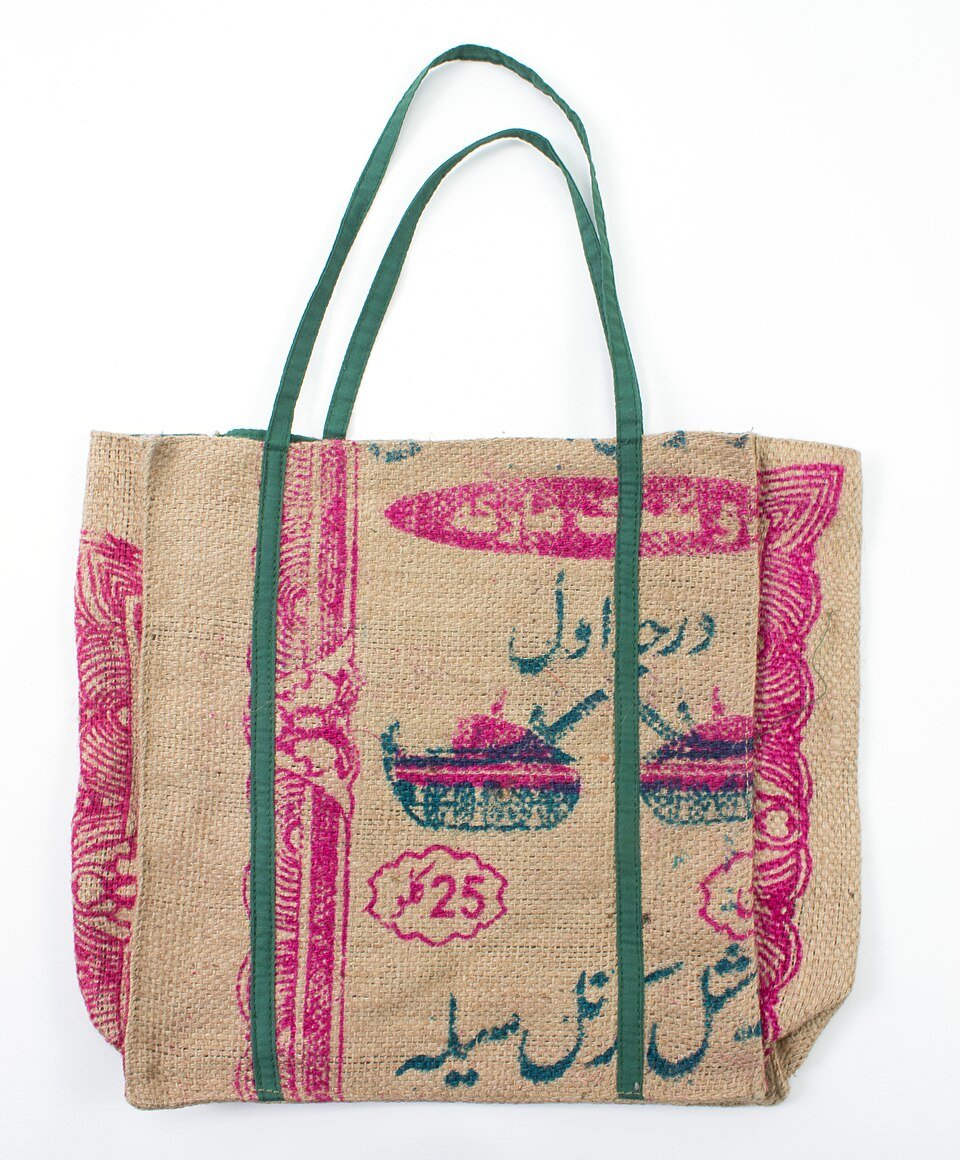
What is the best way to make a reusable tote bag?
Handles strip fold. Measure twice and mark clearly in pencil or tape — small errors compound through later stages of make a reusable tote bag, especially where parts are cut to length or drilled in place. Note what worked in a phone memo so you can repeat the process faster next time.
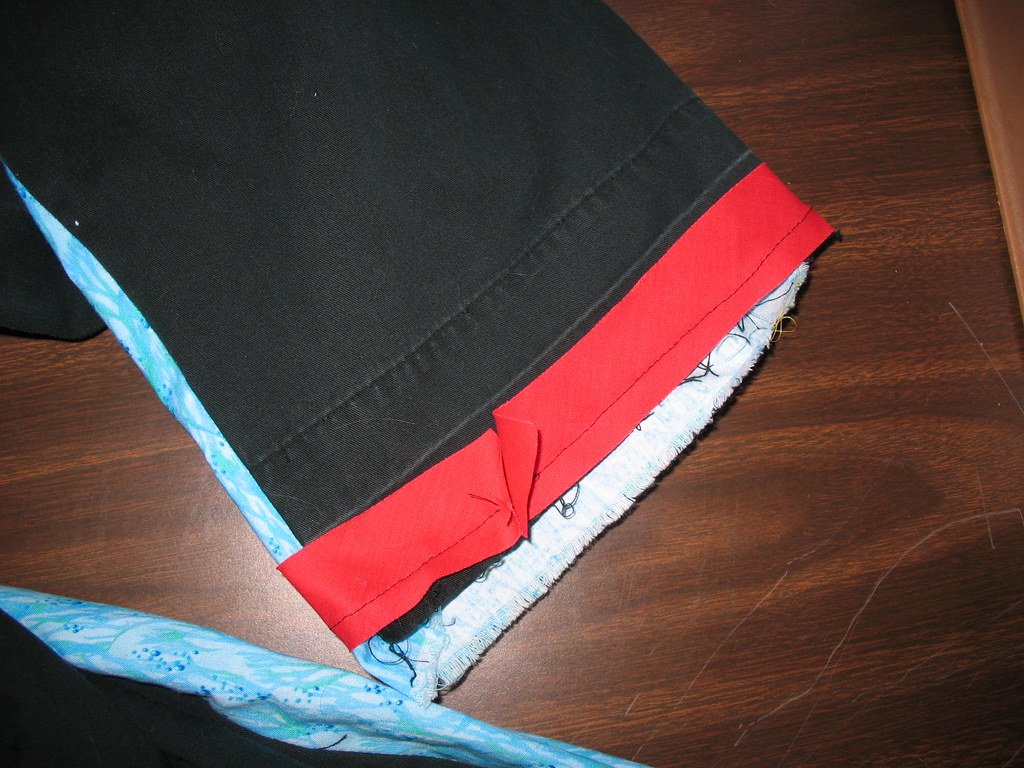
When should I alter pants length?
Shoes on. Measure twice and mark clearly in pencil or tape — small errors compound through later stages of alter pants length, especially where parts are cut to length or drilled in place. Note what worked in a phone memo so you can repeat the process faster next time.

How does it work to patch jeans with a machine?
Patch larger hole. Work steadily through this part of patch jeans with a machine, pausing to double-check your work against the goal before moving on — most mistakes are caught when you slow down at transitions between stages. Note what worked in a phone memo so you can repeat the process faster next time.
Comments
Log in to comment.