

How does it work to build flavour with spices and herbs?
⚠️ Warnings
Article
Thinking in flavour layers
When it comes to how does it work to build, professional kitchens season at every stage: salting proteins early, toasting whole spices in dry pans, blooming ground spices in fat, and finishing with fresh herbs. Each step releases different compounds. Adding everything at once flattens complexity into muddy warmth.
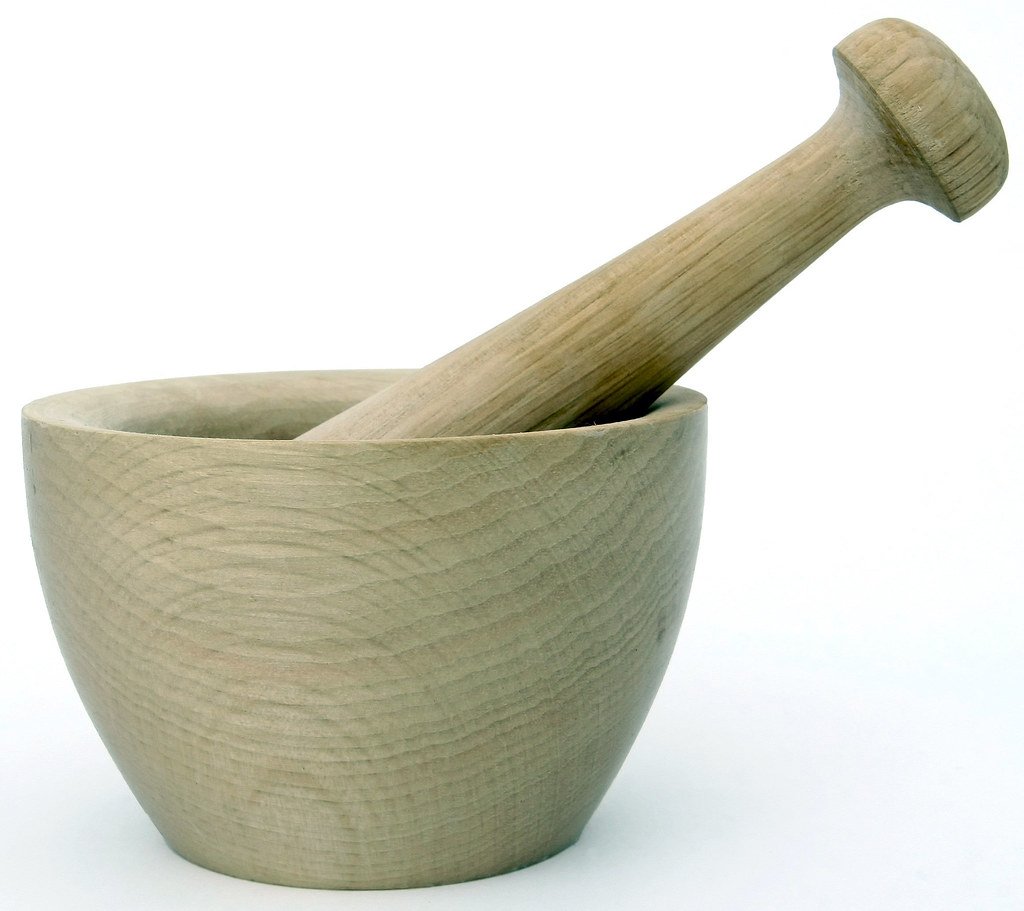
Whole spices keep potency years longer than pre-ground jars from supermarkets. Invest in a cheap spice grinder or mortar and pestle. Store away from the hob — heat and light degrade volatile oils quickly.
Regional building blocks worth mastering
Indian tempering (tadka) sizzles cumin and mustard seeds in ghee. Middle Eastern cooking leans on cumin, coriander, and sumac. British comfort food benefits from thyme, bay, and black pepper bloomed in butter. Mexican dishes need toasted dried chillies rehydrated for depth, not just chilli powder.
Fresh herbs belong at the end for brightness; woody herbs like rosemary tolerate long braises. Chop soft herbs just before use — basil bruises and oxidises within minutes on a hot plate.
Keep a flavour journal noting what worked. Personal palate varies — adjust heat and acid until dishes taste vivid, not merely salty. When working on build flavour with spices and herbs, taste as you go and adjust seasoning in small increments. Break the process into small checkpoints so you can correct mistakes early rather than starting over. If you are new to this, expect a learning curve — most people improve noticeably on the second attempt.
Sources and further reading
Facts, limits, and safety notes in this guide are cross-checked against the references below. Laws, fees, and product guidance change — always confirm details for your region before acting.
Background concepts and terminology
Wikipedia — Build flavour with spices and herbs🔧 Troubleshooting
Spices lose their flavor over time.
Store spices in airtight containers in a cool, dark place to maintain their potency. Consider labeling containers with the purchase date to keep track of freshness.
Herbs wilt or lose their color quickly.
To preserve herbs, store them in a glass of water in the refrigerator, or dry them by hanging upside down in a cool, dark area. Alternatively, consider freezing herbs in ice cube trays with olive oil for longer storage.
Spices lose their potency over time.
Store spices in a cool, dark place in airtight containers to maintain their freshness. Consider labeling containers with purchase dates to track their age.
Herbs taste bland when added to dishes.
Try toasting dried herbs in a dry skillet for a few seconds before adding them to your dish, or add fresh herbs towards the end of cooking to preserve their flavor.
❓ FAQs
How long do ground spices last?
About six months once opened if stored cool and dark. Whole spices often stay vibrant two years.
What balances excessive heat?
Fat, sugar, and acid tame chilli burn. Yogurt, coconut milk, or a squeeze of lime rescue overheated curries.
How can I enhance the flavor of a dish without adding salt?
You can enhance flavor by using herbs, spices, citrus juices, or vinegar. Ingredients like garlic, onion, and umami-rich items like mushrooms or tomatoes can also deepen the flavor profile.
What is the best way to store fresh herbs?
Fresh herbs can be stored in the refrigerator wrapped in a damp paper towel inside a plastic bag, or you can place them upright in a jar with water, covering the leaves with a plastic bag to keep them fresh longer.
How do I know which spices to use for different cuisines?
Familiarize yourself with the key spices of each cuisine. For example, cumin and coriander are common in Indian cooking, while oregano and basil are staples in Italian dishes. Researching regional recipes can also guide you in selecting the right spices.
What is the difference between dried and fresh herbs in cooking?
Dried herbs are more concentrated in flavor and should be used in smaller amounts, while fresh herbs provide a brighter, more vibrant taste and can be used generously. Generally, use three times the amount of fresh herbs compared to dried.
How can I create a balanced spice blend for my dishes?
To create a balanced spice blend, consider the five basic flavors: sweet, sour, salty, bitter, and umami. Start with a base spice, add complementary flavors, and adjust to taste. Experimenting with ratios and adding herbs can help achieve the desired balance.
What are some common mistakes to avoid when using spices and herbs?
Common mistakes include using old or stale spices, adding spices too late in the cooking process, and not adjusting the quantity based on the dish size. It's also important to taste as you go to avoid overpowering the dish.
Know a better way?
Suggest clearer steps, fix mistakes, or add detail you use in practice. Your edit is reviewed before it goes live.
Was this guide helpful?
Guide by How To Library
You might also like
Similar guides based on topic, category, and tags.

How do I master knife skills for everyday cooking?
This guide helps you master knife skills for everyday cooking, transforming meal prep into a joyful experience. It covers essential cuts, proper grips, and maintenance habits used by professional chefs. Published on HowToLibrary. Key points: Essential cuts to practise; This guide helps you master knife skills for everyday cooking, transforming meal prep into a joyful experience; It covers essential cuts, proper grips, and maintenance habits used by professional chefs; Covers food blogs. Source: HowToLibrary · Food blogs · ~60 min read. Key points: Essential cuts to practise; This guide helps you master knife skills for everyday cooking, transforming meal prep into a joyful experience; It covers essential cuts, proper grips, and maintenance habits used by professional chefs; Published on HowToLibrary. Source: HowToLibrary · Food blogs · ~60 min read.

When should I read food labels like a nutritionist?
Read food labels like a nutritionist — this article explains when should i read food labels — including food blogs. Supermarket packaging is designed to sell, not educate. Learn to decode traffic lights, ingredient order, and health claims so you shop confidently without a dietitian on speed dial. Published on HowToLibrary. Key points: Claims worth scepticism; Supermarket packaging is designed to sell, not educate; Learn to decode traffic lights, ingredient order, and health claims so you shop confidently without a dietitian on speed dial; Covers food blogs. Source: HowToLibrary · Food blogs · ~20 min read. Key points: Claims worth scepticism; Read food labels like a nutritionist — this article explains when should i read food labels — including food blogs; Supermarket packaging is designed to sell, not educate; Learn to decode traffic lights, ingredient order, and health claims so you shop confidently without a dietitian on speed dial. Source: HowToLibrary · Food blogs · ~20 min read. Key points: Claims worth scepticism; Read food labels like a nutritionist — this article explains when should i read food labels — including food blogs; Supermarket packaging is designed to sell, not educate; Learn to decode traffic lights, ingredient order, and health claims so you shop confidently without a dietitian on speed dial. Source: HowToLibrary · Food blogs · ~20 min read. Key points: Claims worth scepticism; Read food labels like a nutritionist — this article explains when should i read food labels — including food blogs; Supermarket packaging is designed to sell, not educate; Learn to decode traffic lights, ingredient order, and health claims so you shop confidently without a dietitian on speed dial. Source: HowToLibrary · Food blogs · ~20 min read. Key points: Claims worth scepticism; Read food labels like a nutritionist — this article explains when should i read food labels — including food blogs; Supermarket packaging is designed to sell, not educate; Learn to decode traffic lights, ingredient order, and health claims so you shop confidently without a dietitian on speed dial. Source: HowToLibrary · Food blogs · ~20 min read. Key points: Claims worth scepticism; Read food labels like a nutritionist — this article explains when should i read food labels — including food blogs; Supermarket packaging is designed to sell, not educate; Learn to decode traffic lights, ingredient order, and health claims so you shop confidently without a dietitian on speed dial. Source: HowToLibrary · Food blogs · ~20 min read. Key points: Claims worth scepticism; Read food labels like a nutritionist — this article explains when should i read food labels — including food blogs; Supermarket packaging is designed to sell, not educate; Learn to decode traffic lights, ingredient order, and health claims so you shop confidently without a dietitian on speed dial. Source: HowToLibrary · Food blogs · ~20 min read. Key points: Claims worth scepticism; Read food labels like a nutritionist — this article explains when should i read food labels — including food blogs; Supermarket packaging is designed to sell, not educate; Learn to decode traffic lights, ingredient order, and health claims so you shop confidently without a dietitian on speed dial. Source: HowToLibrary · Food blogs · ~20 min read. Key points: Claims worth scepticism; Read food labels like a nutritionist — this article explains when should i read food labels — including food blogs; Supermarket packaging is designed to sell, not educate; Learn to decode traffic lights, ingredient order, and health claims so you shop confidently without a dietitian on speed dial. Source: HowToLibrary · Food blogs · ~20 min read. Key points: Claims worth scepticism; Read food labels like a nutritionist — this article explains when should i read food labels — including food blogs; Supermarket packaging is designed to sell, not educate; Learn to decode traffic lights, ingredient order, and health claims so you shop confidently without a dietitian on speed dial. Source: HowToLibrary · Food blogs · ~20 min read. Key points: Claims worth scepticism; Read food labels like a nutritionist — this article explains when should i read food labels — including food blogs; Supermarket packaging is designed to sell, not educate; Learn to decode traffic lights, ingredient order, and health claims so you shop confidently without a dietitian on speed dial. Source: HowToLibrary · Food blogs · ~20 min read.
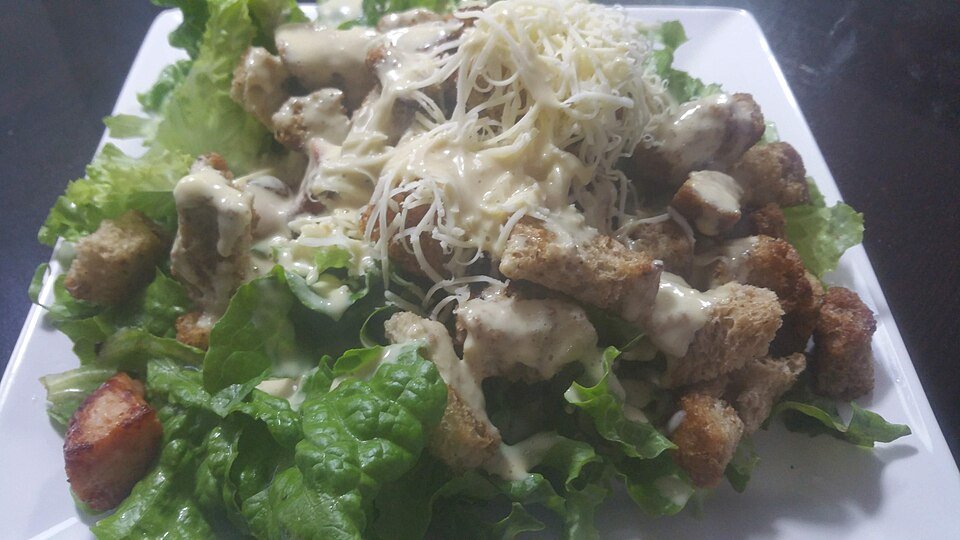
How to Make Chicken Caesar Salad
About this dish
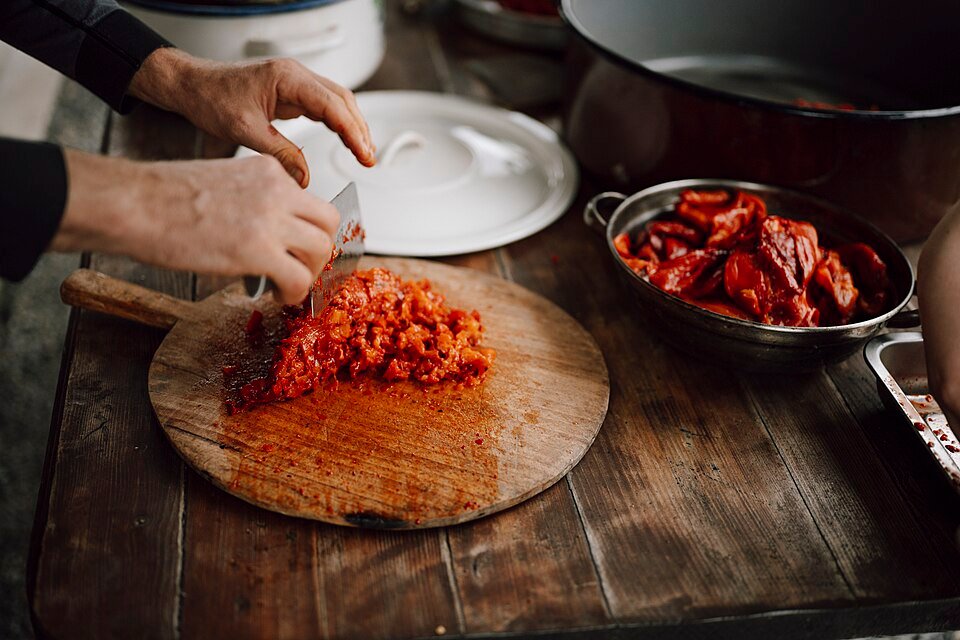
How to Make Guacamole
About this dish
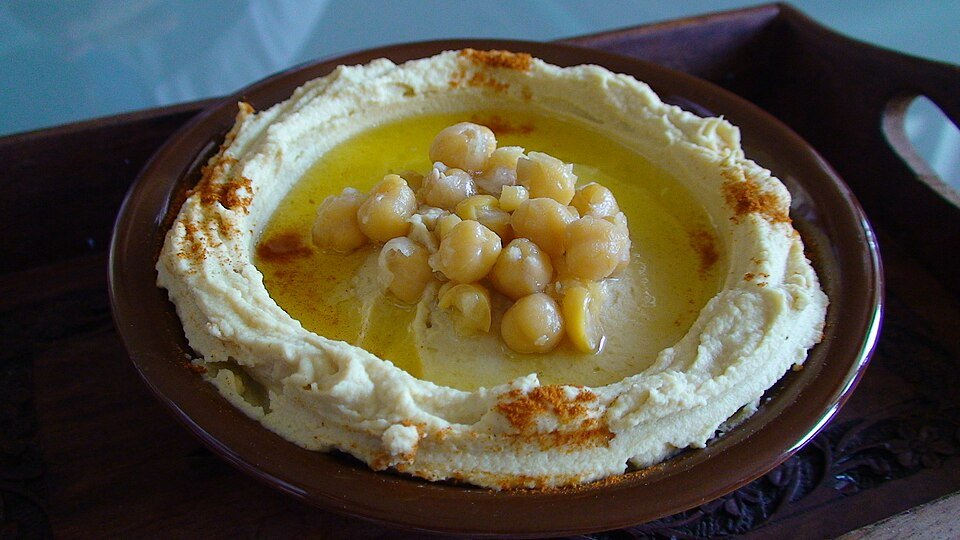
How to Make Hummus
About this dish

How to Make Fluffy Pancakes
About this dish
Comments
Log in to comment.