

Grow Kitchen Salt Crystals as a Science Demo
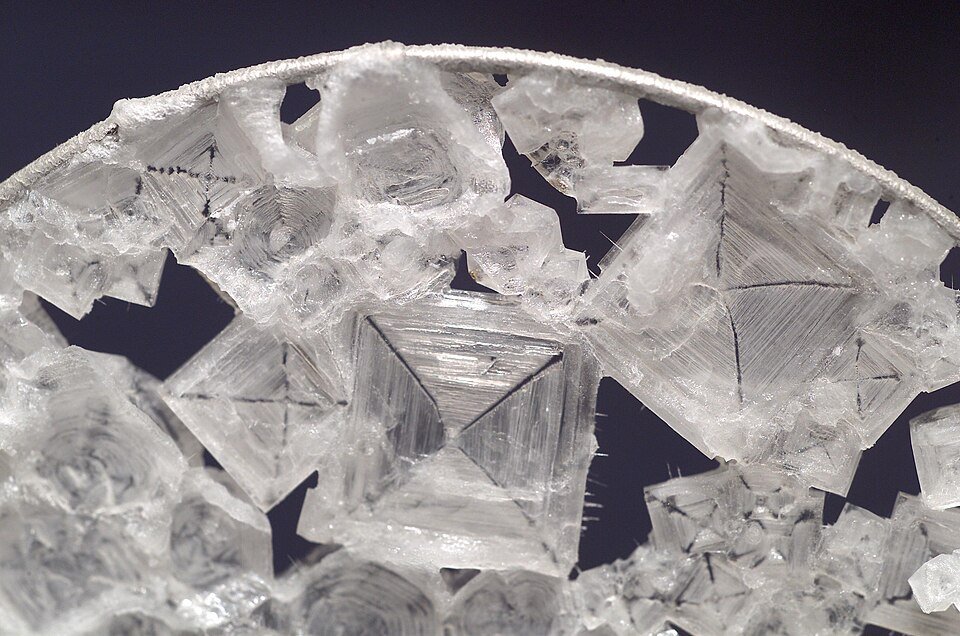
Quick Summary
Use plain salt and hot water — no hazardous chemicals required. Understanding grow kitchen salt crystals as a science demo in a UK context saves costly mistakes — regulations, suppliers, and safety standards differ from other countries. Note what worked in a phone memo so you can repeat the process faster next time.
⚠️ Warnings
Steps
Overview
Use plain salt and hot water — no hazardous chemicals required. Understanding grow kitchen salt crystals as a science demo in a UK context saves costly mistakes — regulations, suppliers, and safety standards differ from other countries. Note what worked in a phone memo so you can repeat the process faster next time.
Make saturated solution

Dissolve salt in hot water until no more dissolves. Let cool slightly. Work steadily through this part of grow kitchen salt crystals as a science demo, pausing to double-check your work against the goal before moving on — most mistakes are caught when you slow down at transitions between stages. Note what worked in a phone memo so you can repeat the process faster next time.
Seed a string

Tie a string to a pencil across the jar; coat with dry salt to nucleate growth. Work steadily through this part of grow kitchen salt crystals as a science demo, pausing to double-check your work against the goal before moving on — most mistakes are caught when you slow down at transitions between stages. Note what worked in a phone memo so you can repeat the process faster next time.
Cover and wait

Loosely cover to slow evaporation. Crystals form over several days. Work steadily through this part of grow kitchen salt crystals as a science demo, pausing to double-check your work against the goal before moving on — most mistakes are caught when you slow down at transitions between stages. Note what worked in a phone memo so you can repeat the process faster next time.
Observe daily

Photograph growth; note cube shapes along string. Work steadily through this part of grow kitchen salt crystals as a science demo, pausing to double-check your work against the goal before moving on — most mistakes are caught when you slow down at transitions between stages. Note what worked in a phone memo so you can repeat the process faster next time.
Discuss variables

Try epsom salt separately — different crystal shapes teach polymorphs simply. Work steadily through this part of grow kitchen salt crystals as a science demo, pausing to double-check your work against the goal before moving on — most mistakes are caught when you slow down at transitions between stages. Note what worked in a phone memo so you can repeat the process faster next time.
Sources and further reading
Facts, limits, and safety notes in this guide are cross-checked against the references below. Laws, fees, and product guidance change — always confirm details for your region before acting.
UK food safety and hygiene
Food Standards Agency🔧 Troubleshooting
Crystals are not forming after several hours.
Ensure that the salt solution is saturated. You can do this by adding more salt to the water until no more dissolves. Also, check the temperature; cooler temperatures can slow down crystal growth.
Crystals are forming but are too small or not well-defined.
Try allowing the solution to sit undisturbed for a longer period. Additionally, ensure that the container is in a location with stable temperature and minimal vibrations to promote better crystal growth.
❓ FAQs
How long does this take?
Most readers finish in one sitting, though you can spread steps across a day if needed.
Do I need specialist equipment?
The guide focuses on everyday tools and apps; optional upgrades are called out where they help.
Was this guide helpful?
Guide by David Okonkwo
Quantity surveyor and DIY enthusiast. Writes about measurements, conversions, and project planning for home renovations and everyday tasks.
You might also like
Similar guides based on topic, category, and tags.

How do I grow crystals at home?
Supersaturated solution. Preheat equipment fully and use a food thermometer for meat and reheated dishes — visual cues alone are unreliable, and the FSA recommends core temperatures above 70 °C for two minutes when reheating. Note what worked in a phone memo so you can repeat the process faster next time.

How do I connect my Instant Pot to a power source?
Clear a stable, heat-resistant surface in your kitchen where you will place the Instant Pot. Ensure there is enough space around it for ventilation.

How to Jump Start a Car
Understanding Jump Starting
What is the best way to build a simple electric circuit?
Complete loop. Work steadily through this part of build a simple electric circuit, pausing to double-check your work against the goal before moving on — most mistakes are caught when you slow down at transitions between stages. Note what worked in a phone memo so you can repeat the process faster next time.
How can someone make slime safely?
Add baking soda pinch. Work steadily through this part of make slime safely, pausing to double-check your work against the goal before moving on — most mistakes are caught when you slow down at transitions between stages. Note what worked in a phone memo so you can repeat the process faster next time.

How to Reduce Stress Quickly
Understanding Stress
Comments
Log in to comment.