

Complete Guide to Reading Your Car's Warning Lights
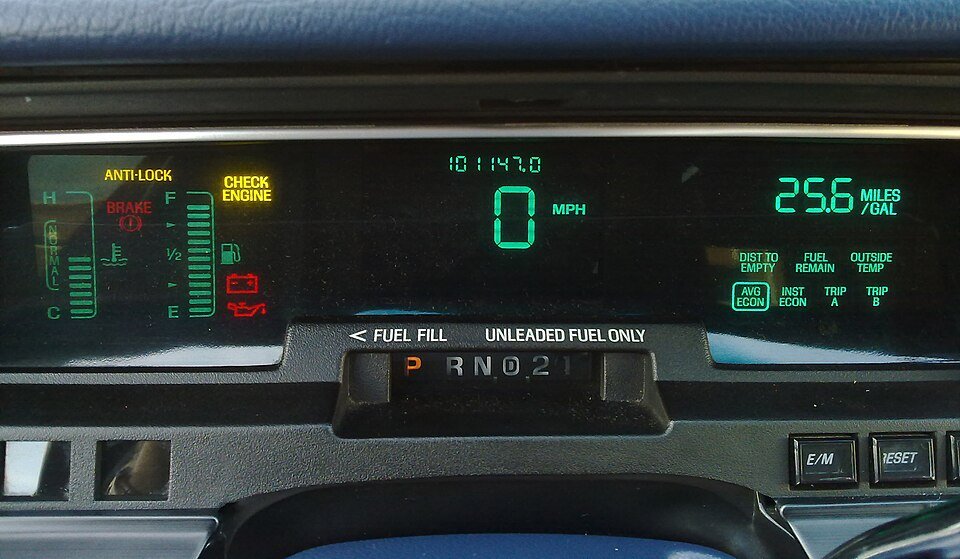
Quick Summary
Modern dashboards pack dozens of symbols into a small space. Learning the difference between informational alerts and serious faults saves money and prevents roadside breakdowns.
⚠️ Warnings
Steps
Overview
Modern dashboards pack dozens of symbols into a small space. Learning the difference between informational alerts and serious faults saves money and prevents roadside breakdowns.
Photograph the dashboard

With the engine running or in accessory mode, capture a clear photo of every lit symbol. Some lights flash only briefly at startup — a photo preserves what you saw. Work steadily through this part of complete guide to reading my car's warning lights, pausing to double-check your work against the goal before moving on — most mistakes are caught when you slow down at transitions between stages. Note what worked in a phone memo so you can repeat the process faster next time.
Check the owner manual index
Your manual groups symbols by colour: red usually means stop safely; amber means service soon; green or blue is informational. Cross-reference your photo with the manual diagram. Run a quick functional test at low stakes before committing fully — for complete guide to reading my car's warning lights, a short trial run reveals alignment, measurement, or configuration issues early when they are cheap to fix. Note what worked in a phone memo so you can repeat the process faster next time.
Scan with an OBD-II reader

Plug a Bluetooth or handheld OBD-II scanner into the port under the steering column. Read stored fault codes and search them online with your make and model for plain-language explanations. Work steadily through this part of complete guide to reading my car's warning lights, pausing to double-check your work against the goal before moving on — most mistakes are caught when you slow down at transitions between stages. Note what worked in a phone memo so you can repeat the process faster next time.
Match symptoms to codes

A check-engine light with rough idle differs from one with normal driving. List recent changes — fuel grade, battery disconnect, new accessories — before assuming the worst. Work steadily through this part of complete guide to reading my car's warning lights, pausing to double-check your work against the goal before moving on — most mistakes are caught when you slow down at transitions between stages. Note what worked in a phone memo so you can repeat the process faster next time.
Decide urgency and book service

Red oil-pressure or temperature lights: stop as soon as safe. Flashing check-engine often indicates misfire — limit heavy acceleration. Amber lights can usually wait for a scheduled appointment with notes and codes ready.
Sources and further reading
Facts, limits, and safety notes in this guide are cross-checked against the references below. Laws, fees, and product guidance change — always confirm details for your region before acting.
Official MOT records and due dates
GOV.UK — MOT history🔧 Troubleshooting
Check Engine Light is on
This light indicates that the engine control unit has detected a problem. You can continue driving for a short distance, but it's best to get it checked as soon as possible. Use an OBD-II scanner to retrieve error codes for more specific diagnostics.
Oil Pressure Warning Light is illuminated
This light signals that the oil pressure is low, which can lead to serious engine damage. Stop the vehicle immediately and check the oil level. If it's low, add oil and check for leaks. If the light remains on after adding oil, do not drive the vehicle and seek professional assistance.
❓ FAQs
How long does this take?
Most readers finish in one sitting, though you can spread steps across a day if needed.
Do I need specialist equipment?
The guide focuses on everyday tools and apps; optional upgrades are called out where they help.
Was this guide helpful?
Guide by Marcus Lee
Mobile mechanic and driving instructor in Birmingham. Publishes practical car maintenance and roadside safety guides from twenty years on the road.
You might also like
Similar guides based on topic, category, and tags.
How to Jump Start a Car
Understanding Jump Starting

How to Change a Tyre
Understanding When to Change a Tyre
How do I change a car tire?
Pull as far off the road as you can and turn on your hazard lights. If you have wheel chocks or a heavy rock, wedge it behind the tire opposite the flat. Measure twice and mark clearly in pencil or tape — small errors compound through later stages of change a car tire, especially where parts are cut to length or drilled in place. Note what worked in a phone memo so you can repeat the process faster next time.

How do you jump start a dead battery?
If lights are dim and you hear a single click or slow crank, battery is the prime suspect. A grinding starter or total electrical blackout points elsewhere. Run a quick functional test at low stakes before committing fully — for jump start a dead battery, a short trial run reveals alignment, measurement, or configuration issues early when they are cheap to fix. Note what worked in a phone memo so you can repeat the process faster next time.

How to Clean Car Headlights
Cleaning your car headlights is essential for safety and visibility, enhancing nighttime driving and overall vehicle appearance.

How do I connect my Instant Pot to a power source?
Clear a stable, heat-resistant surface in your kitchen where you will place the Instant Pot. Ensure there is enough space around it for ventilation.
Comments
Log in to comment.